



Venus: The Dazzling Evening Star
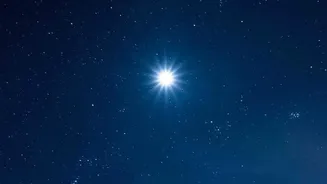
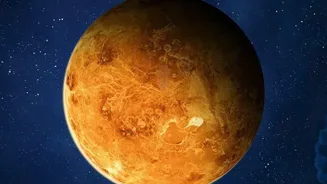
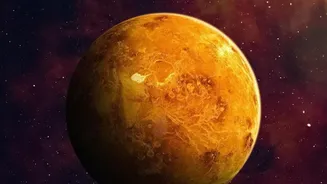
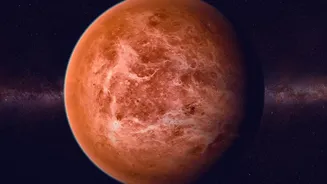
The undisputed star of the evening sky this August is Venus. Incredibly bright, it will be impossible to miss in the west just after sunset. This period is a fantastic time to observe our planetary neighbour. Around August 15, Venus reached its greatest
elongation, meaning its farthest apparent distance from the sun, making it a prominent fixture in the twilight. Throughout the rest of the month, you can watch it shine brilliantly. On September 1, it will have a close conjunction with the bright star Spica, and you can watch it draw nearer night after night. You don't need any special equipment to see Venus; its brightness easily cuts through the evening twilight.
Saturn: The Ringed Jewel
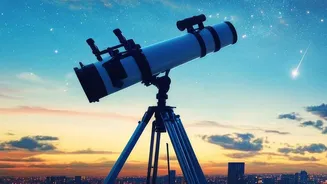
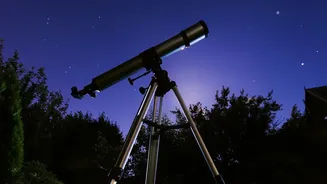
While its grand opposition moment is in early October, Saturn is already putting on a great show for observers throughout August. The ringed planet will be visible for most of the night, rising in the east and making its way across the sky. While it appears as a bright, star-like point to the naked eye, even a small telescope will reveal its famous rings. The end of August is an excellent time to get acquainted with Saturn's position in the constellation Cetus before it reaches its brightest and closest point to Earth for the year. Look for it in the southern sky around midnight for the best telescopic views. This year offers a unique, slender view of the rings, which were almost edge-on and invisible in 2025.
A Look Back: The Perseid Meteor Shower
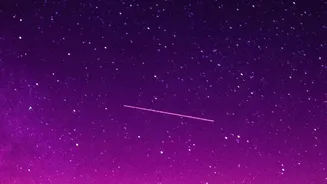
August is famous for the Perseid meteor shower, which peaked this year on the nights of August 12 and 13. This was a particularly special year for the Perseids because the peak coincided with a New Moon, creating perfectly dark skies with no moonlight to wash out the fainter meteors. At its peak, the shower could produce up to 100 meteors per hour under ideal conditions. While the peak has passed, the shower remains active from mid-July to early September, so you might still catch a few stray 'shooting stars' in the late hours of the night if you're patient and have a clear, dark sky. For future reference, the best viewing is typically after midnight until dawn.
Other Planets on Display
Venus and Saturn aren't the only planets gracing our skies. Mars can be spotted as a modest object in the pre-dawn sky, low in the east. Bright Jupiter is also a morning planet, though it may be harder to spot as it's still low on the horizon. On August 12, a rare pre-dawn alignment of six planets occurred, though not all were visible to the naked eye. Keeping an eye on the morning sky before sunrise can still reward you with sightings of these distant worlds.
Partial Lunar Eclipse (Missed from India)
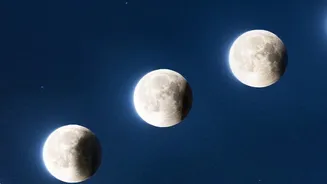
On August 28, a deep partial lunar eclipse will occur, where over 90% of the Moon passes through Earth's dark shadow. Unfortunately for skywatchers in India and most of Asia, this event will not be visible as the Moon will be below the horizon during the eclipse. The best views will be from North and South America. While we'll miss out on this one, it's a reminder of the constant cosmic movements happening all around us.
Tips for Stargazing from Indian Cities
Viewing celestial events from a city can be challenging due to light pollution. However, it's not impossible. To maximise your experience, find a spot away from direct streetlights, like a park, a rooftop, or the outskirts of the city. Give your eyes at least 20-30 minutes to adapt to the darkness; this will help you spot fainter objects. Planets like Venus, Jupiter, and Saturn are bright enough to be easily seen even with moderate light pollution. For meteor showers or seeing the Milky Way, however, traveling to a darker location is essential. Places like Hanle in Ladakh, Spiti Valley, and the Rann of Kutch are renowned dark-sky sites in India for a reason. Even without a trip, a clear night and a little patience can reveal wonders above.