


Visa and Entry Rules
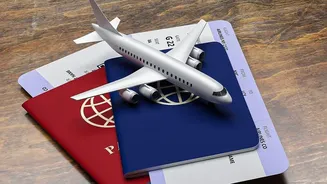
One of the biggest draws for visiting Phu Quoc is its special visa policy. Tourists of all nationalities can visit the island for up to 30 days without needing a visa. However, this exemption comes with a crucial condition: you must fly directly to Phu Quoc International
Airport from a country outside of Vietnam, or transit through a major Vietnamese airport without leaving the international transit area. If you plan to visit mainland Vietnam before or after your island stay, you will need to secure a standard Vietnamese visa. To qualify for the exemption, your passport must be valid for at least six months from your arrival date, and you must have proof of onward travel, such as a return flight ticket. Authorities also encourage travellers to fill out a digital pre-arrival form online within 72 hours of arrival to streamline the process.
Health and Vaccinations
While no specific vaccinations are mandatory to enter Phu Quoc, consulting your doctor several weeks before your trip is highly recommended. Health authorities like the CDC suggest that travellers to Vietnam be up-to-date on routine vaccinations, and also consider immunisations for Typhoid and Hepatitis A, which are spread through contaminated food and water. Depending on your itinerary, especially if you plan extensive outdoor activities or rural excursions, a Japanese Encephalitis vaccine may be advised. Rabies is also a risk in the region, so a vaccine might be recommended for long-term stays or if you anticipate being in close contact with animals. It's also wise to pack a basic medical kit with essentials for minor cuts, insect repellent containing DEET, and any personal prescription medications you require.
On-the-Ground Safety
Phu Quoc is widely regarded as a safe destination with a low crime rate and a focus on hospitality. However, like any popular tourist spot, petty crime can occur. The most common issues are opportunistic, such as price gouging, so always confirm prices before agreeing to a service, whether it's a taxi ride or a meal at a restaurant without a menu. Be cautious with your personal belongings, especially in crowded areas. Renting a motorbike is a popular way to see the island, but be aware that it's illegal without a Vietnamese driver's license, and your travel insurance may not cover accidents if you're unlicensed. The biggest health and safety risk for many tourists in Vietnam is traffic, so exercise extreme caution whether you are a driver or a pedestrian.
Common Tourist Scams to Avoid
Awareness is your best defence against common tourist traps. Be wary of online booking scams; recently, a sophisticated network creating fake websites for luxury resorts was uncovered, tricking people into paying deposits for non-existent rooms. Always book accommodation through reputable platforms or directly with the hotel. On the island, 'bait and switch' tactics can happen with tours or seafood, where the product you receive isn't what you were shown. Also, be sceptical of deals on 'Phu Quoc' pearls or other local products sold on the street; it's better to buy from established farms or shops with fixed prices to ensure authenticity. Another minor scam involves some businesses charging unofficial 'beach access fees'; remember that beaches in Vietnam are public property.
Food and Water Safety
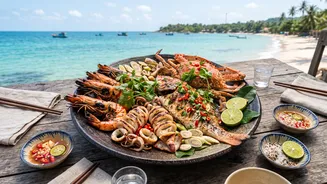
Vietnamese food is a highlight for any traveller, but taking precautions is smart. The golden rule is to stick to bottled or purified water and avoid drinking tap water. This also applies to ice in your drinks, as it's often made from tap water. When eating from street food stalls, choose popular vendors with high turnover, where the food is cooked fresh and served hot. This minimises the risk of foodborne illnesses. Be cautious with raw or undercooked foods. Good hand hygiene is also crucial; wash your hands frequently or use an alcohol-based hand sanitiser, especially before eating.
The Importance of Travel Insurance
No matter how safe a destination is, comprehensive travel insurance is non-negotiable. Before your trip, ensure you have a policy that provides adequate coverage for medical emergencies, including medical evacuation, which can be extremely expensive. Your insurance should also cover trip cancellations, lost luggage, and theft. Read the fine print of your policy to understand its exclusions. For instance, as mentioned, many insurers will not cover motorbike accidents if you are driving without a valid local license. Having a robust insurance plan provides a critical safety net, allowing you to relax and enjoy your island getaway with peace of mind.