


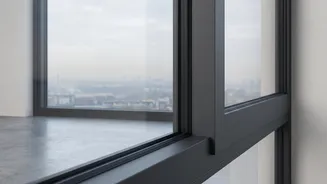


When the sky outside is grey with smog, your home should be a sanctuary of clean air. While you can't control outdoor pollution, you can significantly improve your indoor air by tackling the sources of smoke and dust right where they start.
Control Your Kitchen
The kitchen
is often a primary source of indoor air pollution, especially in Indian households. The process of cooking, particularly tadka, frying, and grilling, releases fine particulate matter (PM2.5) and other fumes that can quickly spread throughout your home. Using a chimney or an exhaust fan every time you cook is the most effective way to vent these pollutants outside. If you don't have one, opening a window while cooking can help, but ensure it's done when outdoor air quality is relatively better. Simple habits like covering pots and pans can also help contain fumes. These small actions prevent cooking smoke from lingering and becoming a major part of the air you breathe indoors.
Rethink Daily Rituals
Many daily rituals, while culturally significant, contribute to indoor smoke. Burning incense sticks (agarbatti), dhoop, and candles releases a surprising amount of PM2.5 and volatile organic compounds (VOCs) into a contained space. During periods of heavy outdoor smog, it's wise to reduce the frequency of these activities or ensure the room is well-ventilated afterwards. Similarly, mosquito coils and some chemical repellents also emit smoke and fumes that degrade indoor air quality. Consider switching to non-toxic alternatives or using them sparingly, especially in bedrooms where you spend many consecutive hours.
Declare War on Dust
Dust is more than just an unsightly nuisance; it's a collection of tiny particles that includes skin cells, fabric fibres, pet dander, and outdoor pollutants that have settled on surfaces. Regular cleaning is essential, but the method matters. Dry dusting can just stir particles back into the air. Instead, use a damp cloth to wipe down surfaces, which traps the dust. Vacuuming carpets, rugs, and upholstered furniture frequently is also key, preferably with a vacuum that has a HEPA filter to capture the finest particles. Washing bedding, curtains, and other textiles in hot water regularly helps eliminate dust mites and accumulated allergens.
Manage Doors and Windows Strategically
When outdoor air is severely polluted, your first instinct is to shut everything tight. This is a good strategy to prevent outdoor PM2.5 from entering your home. Sealing gaps around windows and doors with weatherstripping can further block infiltration. However, a completely sealed home can trap pollutants generated indoors, like CO2 from breathing and fumes from cooking. The key is strategic ventilation. Monitor the local Air Quality Index (AQI) and open windows for brief periods (15–20 minutes) when the outdoor air is at its best, which is often in the mid–afternoon. This allows stale indoor air to be flushed out without bringing in the worst of the smog.
Choose Furnishings and Products Wisely
Your furniture, cleaning supplies, and even personal care products can release chemicals into the air. New furniture made from pressed wood, as well as some paints and varnishes, can offgas VOCs like formaldehyde for weeks or months. When possible, opt for low–VOC products. Heavy carpets and thick draperies can also act as reservoirs for dust and pollutants, making them harder to keep clean. Similarly, many commercial air fresheners and cleaning sprays release their own chemical clouds. Consider using natural alternatives, like simmering spices for fragrance or using simple cleaners made from vinegar and baking soda.
The Role of Air Purifiers
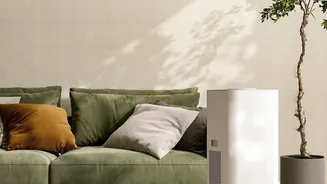
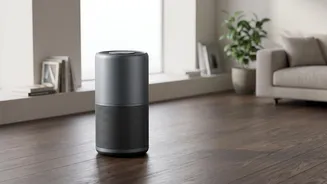
An air purifier with a High–Efficiency Particulate Air (HEPA) filter is a powerful tool for removing airborne particles like dust, pollen, and PM2.5. However, it should be seen as a supplement to, not a replacement for, controlling pollution at its source. A purifier works best in a sealed room where new pollutants are not being constantly introduced. It is most effective at capturing particles but does not eliminate gases like VOCs or CO2. For the best results, place the purifier in the room where you spend the most time, such as the bedroom, and run it consistently, especially during smoggy seasons and overnight.