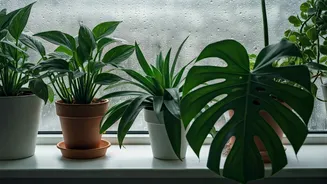




The Problem with Too Much Rain
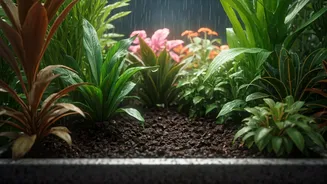
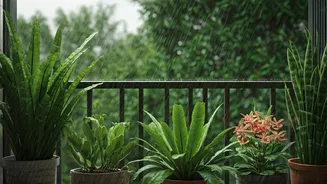
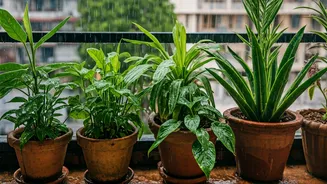
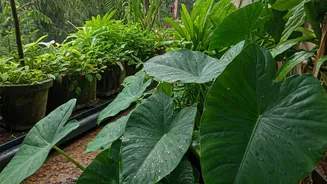
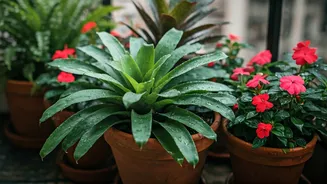
While rainwater itself is beneficial for plants, an unrelenting downpour creates a host of problems for traditional container and balcony gardens. Soil becomes oversaturated, leading to root rot, a condition where roots essentialy drown from a lack of oxygen.
[18] This excess moisture also creates the perfect breeding ground for fungal diseases and pests. Compounding the issue is the lack of direct sunlight during overcast monsoon days, which is crucial for photosynthesis and healthy growth. For many urban gardeners in India, this means putting their hobby on hold for months, watching helplessly as their outdoor plants struggle to survive.
A Smart Solution: Take Your Garden Indoors
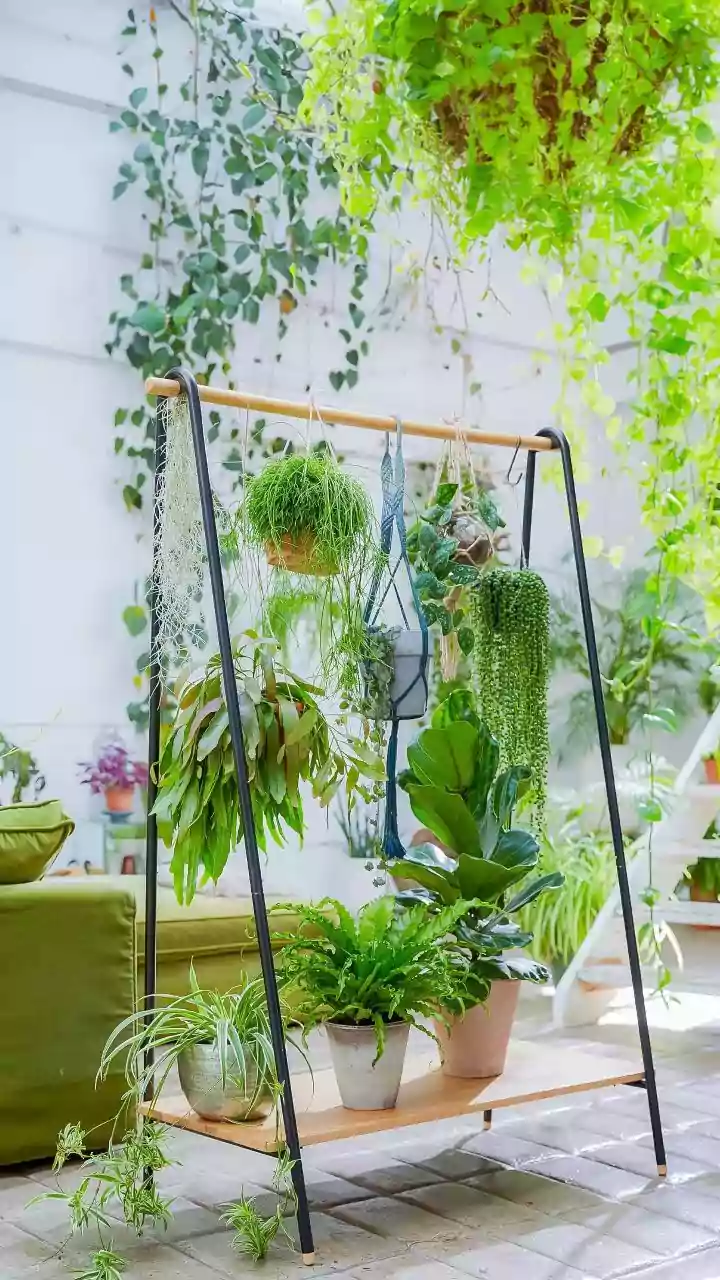
The answer to these weather-related woes lies in moving your garden indoors—and making it smarter. Indoor gardening has evolved far beyond a few pots on a windowsill. Today's smart systems offer controlled environments where you dictate the 'weather,' ensuring your plants get exactly what they need, regardless of the season. [19] These setups tackle the core challenges of the monsoon by eliminating soil, providing artificial sunlight, and automating nutrient delivery, making gardening more accessible and productive than ever. [21, 14]
Hydroponics: Growth Without Soil
At the heart of modern indoor gardening is hydroponics, a method of growing plants without soil. [27] Instead, roots are supported by an inert medium like coco peat or clay pebbles and are fed a nutrient-rich water solution directly. [14, 22] This soilless approach has several advantages. It eliminates the risk of soil-borne diseases and pests, a common issue in damp monsoon weather. [14] Hydroponic systems are also incredibly water-efficient and can lead to faster plant growth since nutrients are more readily available to the roots. [8] Kits for beginners are widely available in India, making it easy to start with a small setup on a kitchen counter or balcony. [11, 21]
LED Grow Lights: Sunshine on Demand
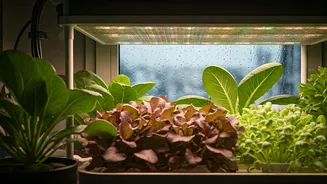
The second key component of a smart indoor garden is the LED grow light. These lights are designed to mimic natural sunlight by providing a full spectrum of light that plants need for photosynthesis. [2] This technology is a game-changer during cloudy monsoon months, allowing you to grow light-hungry plants year-round. Modern LED grow lights are energy-efficient, produce very little heat, and come in various sizes, from single bulbs for a few pots to larger panels for multi-plant systems. [3, 4] Many smart gardening kits come with built-in, automated lighting systems that turn on and off according to a schedule, removing any guesswork. [24, 5]
What to Grow in Your Indoor Farm
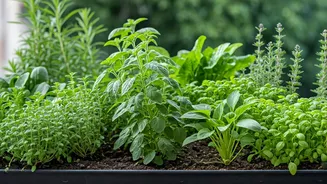
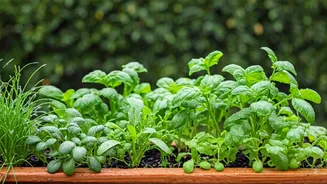
You might be surprised by the variety of plants that thrive in an indoor hydroponic setup. Leafy greens are a popular and easy choice for beginners; crops like lettuce, spinach, and kale grow quickly and can be harvested in just a few weeks. [6, 12] Fresh herbs such as basil, mint, and coriander are also perfectly suited for these systems and are in constant demand in Indian kitchens. [8, 15] With slightly larger systems, you can even grow fruiting plants like cherry tomatoes, bell peppers, and strawberries, enjoying a fresh, pesticide-free harvest right from your home. [6, 8, 14]