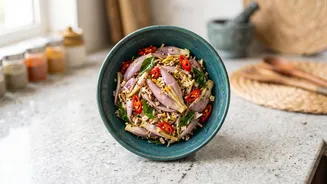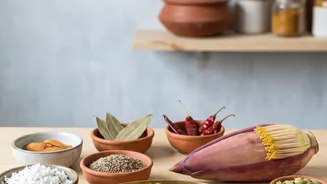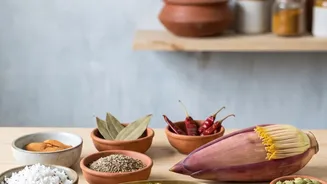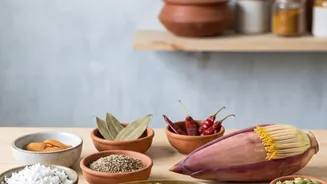


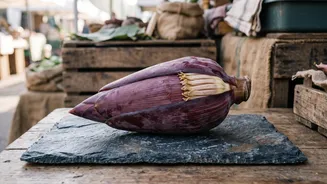
Tucked away at the end of a banana bunch is a large, purplish, tear-drop shaped flower that holds a culinary secret. Known as banana blossom or 'kele ka phool', this vegetable is a staple in many parts of Asia, prized for its unique texture.
What Exactly Is a Banana Flower?
The banana
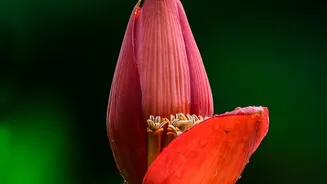
flower, also called a banana heart or blossom, is an edible flower that grows at the end of a banana cluster. While the fruit is globally famous, its flower is a celebrated vegetable in South and Southeast Asian cuisines. Visually, it looks like a large, deep purple cone. When you peel back the tough outer layers, known as bracts, you find rows of small, delicate florets. These florets would eventually develop into bananas. Deeper inside is the pale, tender heart, which is the most prized part for cooking. Although it comes from a banana plant, it is used as a vegetable, bringing a distinct character to curries, stir-fries, and salads.
The Flavour Profile: Earthy and Versatile
Contrary to what you might expect, the banana flower doesn't taste like sweet bananas. Its flavour is much more subtle and complex. When raw, it can have a slightly bitter or astringent quality. However, once cooked, it transforms, developing a mild, nutty, and earthy taste. Many compare its cooked texture to that of artichoke hearts, bamboo shoots, or even flaky fish, which has made it a popular plant-based substitute. This neutral yet savoury profile allows it to absorb the flavours of the spices and other ingredients it's cooked with, making it an incredibly versatile component in many dishes.
A Nutritional Powerhouse
Beyond its culinary appeal, the banana flower is packed with nutritional benefits. It is low in calories and rich in dietary fibre, both soluble and insoluble, which aids digestion and promotes a feeling of fullness. It’s also a good source of essential minerals like potassium, calcium, magnesium, iron, and copper. The flower is loaded with antioxidants, including quercetin and catechins, which help protect the body from cell damage. In traditional and Ayurvedic medicine, it's often used for its potential health-promoting properties, from managing blood sugar to supporting menstrual wellness.
How to Prepare Banana Flower
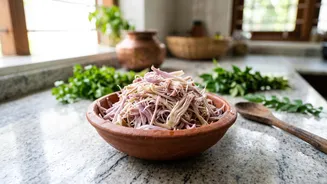
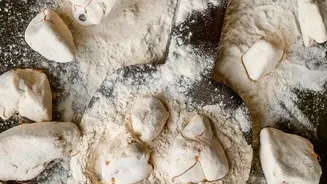
Preparing a banana flower can seem intimidating, but it's a straightforward process. The key is to work quickly and use an acidic medium to prevent browning. Start by peeling off the tough, dark outer bracts. Beneath each layer, you'll find a row of florets. For the best texture, it's recommended to remove the hard, matchstick-like stamen and a small, translucent petal from each floret, as these can be tough. Continue peeling until you reach the tender, pale heart. Finely chop the heart and the cleaned florets, and immediately immerse them in a bowl of water mixed with lemon juice, vinegar, or buttermilk. This soak, for at least 20-30 minutes, helps reduce bitterness and prevents oxidation.
A Star in Regional Indian Cuisine
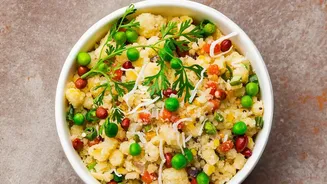
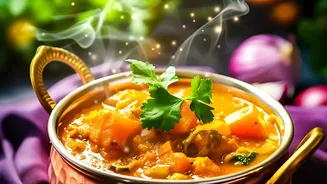
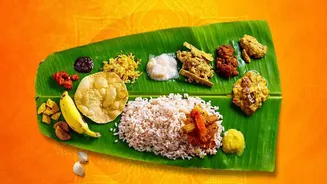
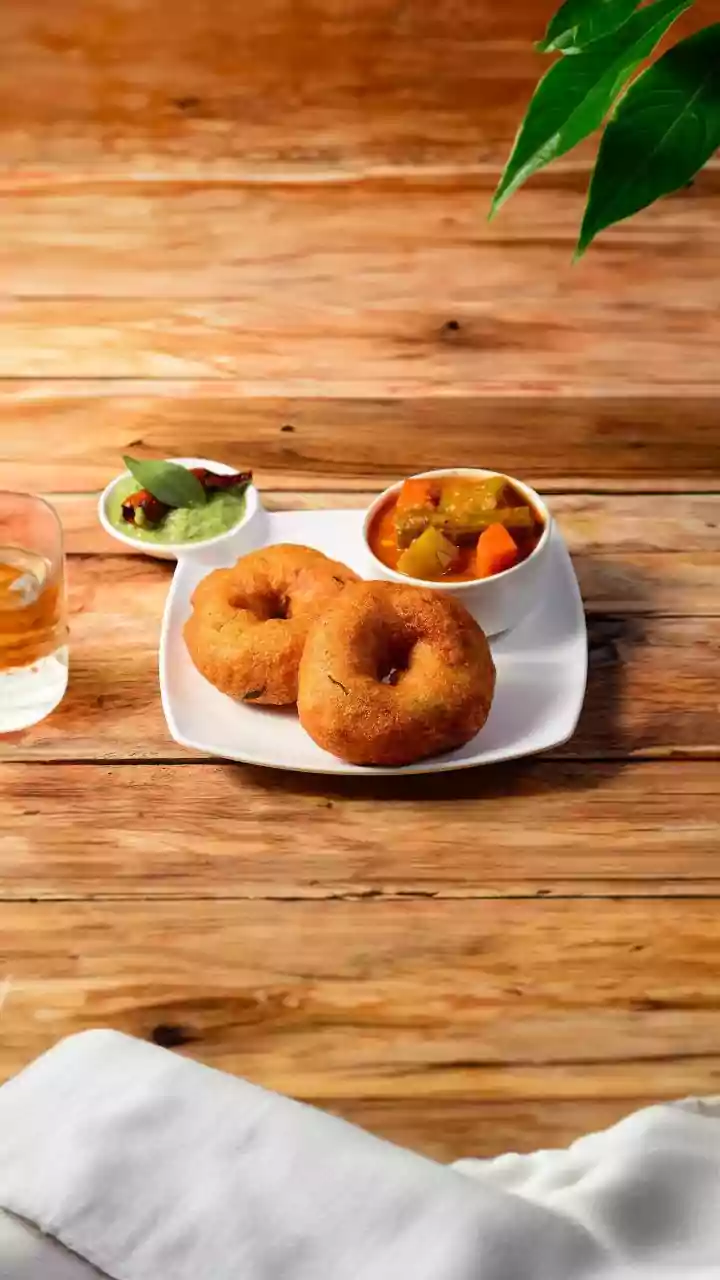
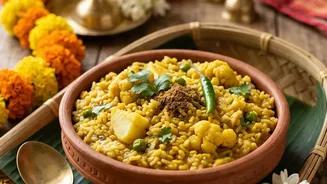
In India, the banana flower is a celebrated ingredient in several regional cuisines. In South India, particularly Tamil Nadu, it is the star of 'Vazhaipoo Vadai', a crispy fritter, and 'Vazhaipoo Poriyal', a flavourful stir-fry with coconut. Bengalis have a beloved dish called 'Mochar Ghonto', a rich, dry curry made with banana blossom, potatoes, and aromatic spices. In Kerala, it is used to make 'thoran', a simple and healthy stir-fry with grated coconut. These dishes highlight the flower's ability to transform into a tender, flavourful vegetable that carries the essence of the spices it is cooked with.