







The Global Visa Fee Overhaul
Effective July 1, 2026, Japan's Ministry of Foreign Affairs implemented a significant increase in its standard visa fees for the first time since 1978. This was a substantial change, with the cost for a single-entry visa for most foreign nationals jumping
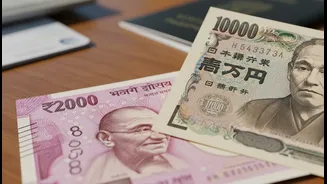
significantly. For example, a single-entry visa for many nationalities now costs the equivalent of approximately ₹8,650. A multiple-entry visa saw a similar steep rise. Officials explained the revision was a long-overdue adjustment to account for decades of inflation, a weaker yen, and rising administrative costs associated with managing a record number of tourists. The move brings Japan's visa charges more in line with those of other major developed nations.
India's Special Exemption
Amidst this global price hike, there was a crucial exception: Indian passport holders. The Embassy of Japan in India confirmed that travellers from India will continue to pay the long-standing concessional rate of just ₹500 for both single-entry and multiple-entry visas. This special arrangement preserves a significant cost advantage for Indian tourists and business travellers. While the visa fee remains low, applicants should note that standard service charges from application centres like VFS Global will still apply, which are typically around ₹800.
Why Are Indians Exempt?
The decision to shield Indian travellers from the fee increase is not accidental. It is rooted in the strengthening bilateral relationship between India and Japan. Both nations have been actively working to promote tourism and people-to-people exchanges for years. This exemption is seen as a deliberate effort to foster tourism and deepen ties with India, which Japan views as a key growth market for visitors. Increased air connectivity, streamlined visa processes like the introduction of an e-visa system in 2024 for certain travellers, and various tourism promotion agreements have all contributed to a surge in Indian visitors to Japan. The visa fee exemption is the latest, and perhaps most welcome, development in this ongoing partnership.
What About Other Travel Costs?
While the visa news is positive, Indian travellers should be aware of other fee changes affecting all tourists in Japan. The country has also increased its International Tourist Tax, often called the 'sayonara tax'. As of July 1, 2026, this departure tax, which is included in the price of your flight ticket, has tripled from 1,000 yen to 3,000 yen. This tax is used to fund tourism infrastructure improvements and manage the impact of overtourism. Additionally, some popular cities like Kyoto have introduced or increased local accommodation taxes, which are charged per person, per night, and vary based on the hotel's price.
How to Apply for Your Visa
The application process for Indian citizens remains unchanged. You must obtain a visa before travelling, as Japan does not offer a visa-on-arrival facility for Indian passport holders. Applications should be submitted through authorised VFS centres. The embassy generally advises applying up to three months before your intended travel date. For most tourist visas, you'll need to provide a valid passport, a completed application form, photographs, flight and accommodation details, and proof of sufficient funds for your trip.