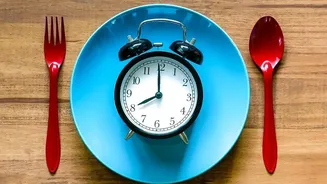







The Night Shift's Toll on Your Gut
Working against the body's natural clock does more than just make you tired. It throws your entire system, especially your digestive tract, out of sync. Many shift workers report a higher incidence of gastrointestinal problems, from gas and bloating to
more serious conditions like irritable bowel syndrome (IBS). This happens because our bodies are hardwired to be active, and digest food, during the day. At night, our digestive system slows down, preparing for rest. Eating large meals during a night shift forces your gut to work overtime when it expects to be resting, leading to a host of uncomfortable symptoms and potential long-term health issues.
Understanding Your Body's Clock
At the heart of this issue is our circadian rhythm, a 24-hour internal clock that governs everything from our sleep-wake cycle to our metabolism. This internal clock is primarily influenced by light and darkness, signaling to our organs when to be active and when to power down. Your digestive system is a key part of this rhythm. During daylight hours, it's primed to produce the necessary acids and enzymes to break down food efficiently. When you eat late at night, you're essentially asking your digestive organs to perform a demanding task outside of their scheduled 'work hours.' This misalignment is a primary reason why night eating is linked to digestive distress and metabolic problems.
The Science Behind Daytime Eating
Recent studies have put this theory to the test, with compelling results. One highly controlled study simulated night work and divided participants into two groups: one that ate during the day and night, and one that ate only during daytime hours. The group that ate at night saw their blood glucose levels increase by 6.4%, a known risk factor for diabetes. The daytime-only eating group showed no such increase. Researchers believe this is because aligning meals with the body's natural active phase helps maintain better blood sugar control and reduces metabolic stress. This strategy helps synchronize the body’s various internal clocks, leading to better overall function and fewer digestive complaints like bloating.
How to Make the Switch
Adopting a daytime eating schedule while working nights requires planning, but it's achievable. Try to consume your main, most substantial meals before you go to work or during the earlier part of your 'day,' even if that's in the afternoon. If you must eat during your night shift, opt for smaller, lighter, and easily digestible snacks. Think of foods like yogurt, a small portion of soup, boiled eggs, or a handful of nuts rather than a heavy, fried, or carb-heavy meal. Some experts suggest a time-restricted eating window, such as fasting between 9 PM and 6 AM, to give your digestive system a prolonged rest period. Staying well-hydrated with water is also crucial, but try to limit caffeine and sugary drinks, especially in the hours before you plan to sleep.
Benefits Beyond Digestion
While improved digestion is a major advantage, the benefits of aligning your meals with daylight hours don't stop there. Research suggests this approach can also help mitigate other health risks associated with shift work. Better meal timing has been linked to improved blood pressure regulation and a lower risk of developing chronic conditions like heart disease, obesity, and type 2 diabetes. By working with your body's natural rhythms instead of against them, you're not just easing stomach troubles; you're supporting your long-term metabolic and cardiovascular health, which can lead to better energy levels and overall well-being.