


Meet Rugda, The Monsoon Marvel
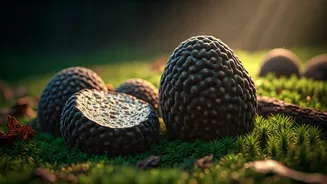
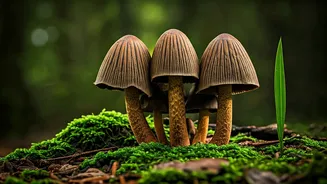
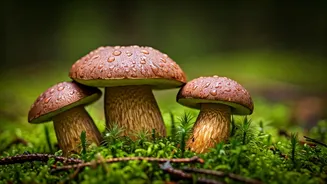
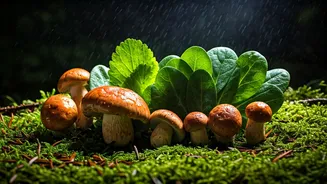
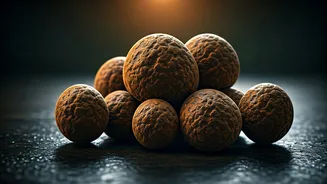
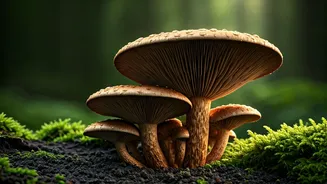
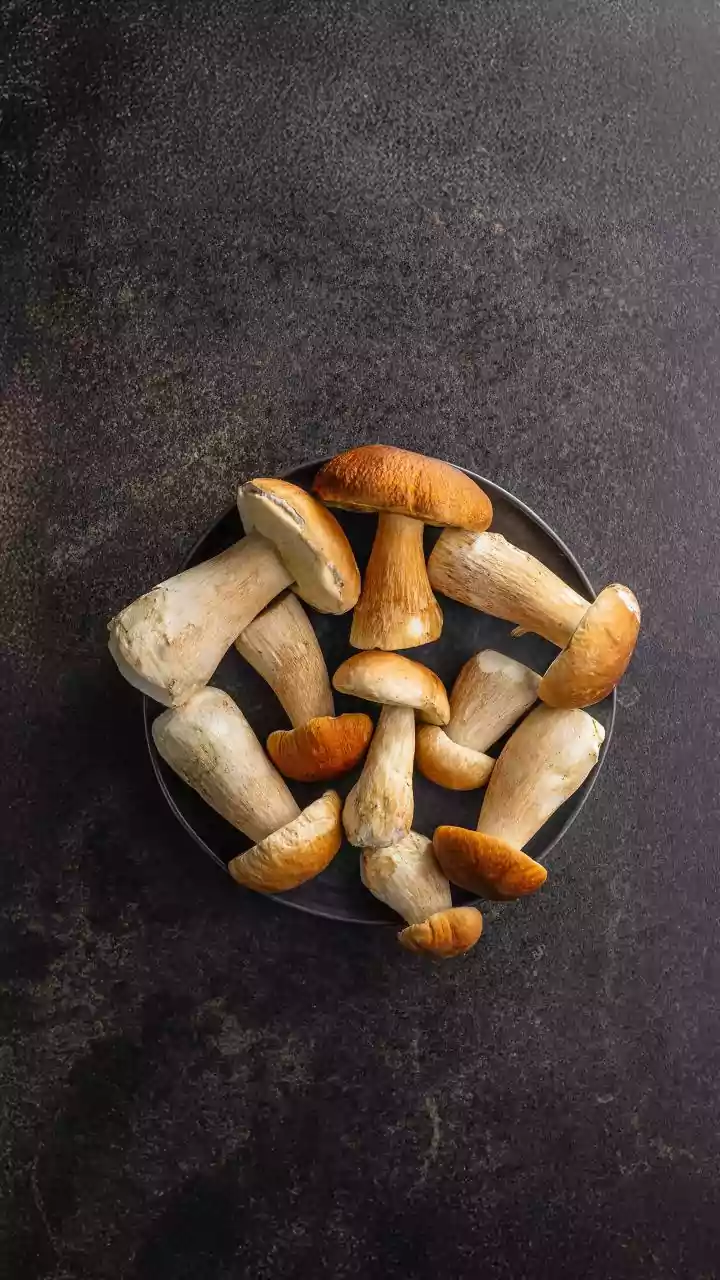
Forget your everyday button or shiitake mushrooms. Rugda, also known as Phutka, is a different beast entirely. Botanically, it’s a species of puffball mushroom that grows wild exclusively under the shade of Sal trees. Appearing just after the first thunderous
rains, these small, round, and hard-shelled fungi look more like strange, earth-coloured pebbles than conventional mushrooms. They grow underground and must be carefully dug out, making them a true foraged delicacy. Unlike mushrooms with gills and stems, Rugda has a solid, dense interior. When cooked, this unique structure gives it a surprisingly meaty texture, earning it the affectionate nickname 'vegetarian mutton' among locals.
The Keepers of the Forest
The story of Rugda is inseparable from the Adivasi communities of Jharkhand, for whom this mushroom is both a culinary staple and a vital source of seasonal income. For generations, tribal women have been the primary custodians of the knowledge required to find them. This isn't a simple walk in the park; it’s an art passed down through observation and experience. The foragers know exactly where to look, reading the subtle cues of the damp earth and the health of the Sal forest. With small tools, they carefully unearth the Rugda, ensuring they don’t damage the delicate mycelial network beneath, which will allow more to grow in the future. This deep ecological connection is a practice in sustainability that predates modern buzzwords.
From Forest Floor to Market Plate
Once harvested, the Rugda begins its swift journey to the plate. The mushrooms are brought back to the village, where they are meticulously cleaned to remove all traces of soil from their rugged exteriors. Soon after, they appear in bustling local 'haats' or markets, sold by the kilogram or in small piles. During its short season, from late June to August, Rugda commands a high price, often selling for ₹300 to ₹500 per kilogram, and sometimes more. For many families, the income earned from selling Rugda provides a crucial financial buffer, helping them purchase essentials and prepare for the rest of the year. This makes the mushroom a cornerstone of the local monsoon economy.
How to Savour This Earthy Delight
So, what does it taste like? Rugda has a deeply earthy, almost mineral-like flavour that captures the essence of the rain-soaked forest. Its firm, chewy texture is its standout feature, holding up beautifully in rich, spicy gravies. The most common preparation is Rugda curry, where the mushrooms are cooked with a fragrant blend of onion, tomato, ginger, garlic, and a host of local spices. The mushrooms absorb the flavours of the curry while lending their own unique, savoury depth. It’s also used in flavourful pulaos or simply stir-fried with a bit of mustard oil and green chillies. Each bite is a textural and flavourful experience that is completely distinct from any other vegetable or mushroom.
An Uncertain Future
Despite its cultural and economic importance, the future of Rugda is precarious. Because it grows in a symbiotic relationship with Sal trees, deforestation and the degradation of forest ecosystems pose a direct threat to its survival. Furthermore, Rugda has stubbornly resisted all attempts at commercial cultivation, meaning it remains an exclusively wild and foraged food. As its popularity grows, the risk of over-harvesting increases, which could deplete the natural supply. Protecting this monsoon delicacy means protecting the forests it calls home and respecting the indigenous knowledge that has sustained it for centuries.