


Northern India: Grains, Tubers, and Dairy
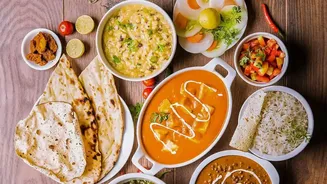
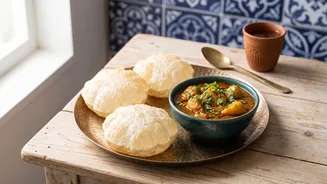
In North India, Navratri fasting is often strict, with many devotees abstaining from grains, onions, and garlic. The diet, known as 'vrat ka khana', is built around specific ingredients that are considered 'sattvic' or pure. Flours like Kuttu (buckwheat),
Singhara (water chestnut), and Rajgira (amaranth) become staples for making puris and rotis. Potatoes and arbi (taro root) are transformed into flavourful, simple curries seasoned with sendha namak (rock salt) and spices like black pepper and cumin. Sabudana (tapioca pearls) is another hero ingredient, used to make crispy vadas and the ever-popular Sabudana Khichdi, a comforting dish with potatoes and peanuts that provides a much-needed energy boost. Dairy products like paneer, yogurt, and milk are also consumed widely, appearing in dishes and as refreshing drinks like lassi.
Western India: A 'Farali' Feast in Gujarat
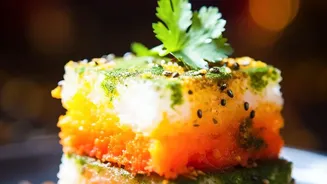
In Gujarat, the land of Garba and Dandiya Raas, Navratri fasting food is known as 'farali'. The rules are similar to the North, focusing on non-grain flours, vegetables, and dairy. However, the preparations have a distinct Gujarati touch, often balancing sweet, sour, and spicy notes. Dishes like Farali Dhokla, made from amaranth or water chestnut flour, offer a spongy, savoury snack. Sabudana Khichdi is a staple here too, but the region also boasts unique creations like Farali Pattice (also called Buff Vada), which are spiced potato patties stuffed with coconut and nuts. Other specialities include moraiyo (barnyard millet) cooked like a khichdi and creamy kadhi made from rajgira flour. For a sweet and tangy drink, many enjoy Piyush, a rich beverage made by blending shrikhand and buttermilk.
Eastern India: Durga Puja's Community Bhog
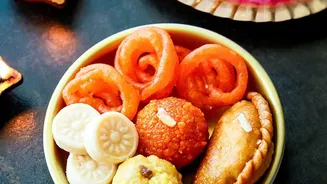
In West Bengal, Navratri coincides with the grand festival of Durga Puja. Here, the concept of fasting is different; instead of abstaining, the focus is on community feasting with 'bhog'—a food offering made to the goddess that is then distributed among devotees. This food is strictly vegetarian and cooked without onion or garlic. The star of the bhog is Bhoger Khichuri, a fragrant blend of Gobindobhog rice and roasted moong dal. This is typically served with Labra, a mixed vegetable curry, and fried items like Beguni (eggplant fritters). Sweet dishes are integral to the celebration, with Payesh (rice pudding), Mishti Doi (sweet yogurt), and a variety of Sandesh (sweets made from fresh cheese) being popular offerings.
Southern India: The Nine Days of Sundal
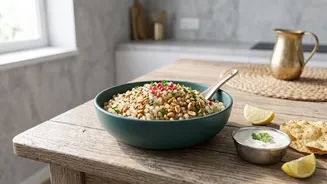
In the southern states of Tamil Nadu, Karnataka, and Andhra Pradesh, Navratri is celebrated with the beautiful Golu doll displays. The culinary tradition here revolves around 'Sundal', a simple yet protein-packed dish made from different legumes and pulses. Each day of Navratri, a different type of sundal is prepared as a 'prasadam' (offering) and shared with guests who come to see the Golu. Common varieties are made from chickpeas, black-eyed peas, green gram, and peanuts. The preparation is straightforward: the legumes are boiled and then tossed in a light tempering of mustard seeds, curry leaves, and chillies, often finished with a garnish of fresh coconut. Besides sundal, sweet offerings like Payasam (kheer) and small snacks like vadai are also common.