

1. Banana Stem and Flower (Vazhaithandu and Vazhaipoo)
While bananas are beloved, the rest of the plant is a culinary treasure trove in South India. The fibrous inner core of the banana stem (vazhaithandu) is chopped and cooked into crisp stir-fries, often called poriyal. It has a mild taste and a delightful
crunch. The banana blossom (vazhaipoo), a large purple flower, is meticulously cleaned to reveal tender florets inside. These are then stir-fried, often with coconut and spices, offering a unique, slightly astringent flavour that pairs wonderfully with rice.
2. Jackfruit Seeds (Palakottai)
After savouring the sweet, fleshy pods of a jackfruit, don't discard the seeds. These seeds, known as 'palakottai' in Tamil, are packed with nutrients. Once boiled to soften them, their outer shell is peeled, and the inner seed can be used in a variety of dishes. A popular preparation is a simple curry or stir-fry, where the seeds are cooked with onions, tomatoes, and a blend of spices, resulting in a dish with a texture reminiscent of potatoes but with a distinct, nutty flavour.
3. Watermelon Rind (Tarbooz Ke Chilke)
The white part of the watermelon rind, often thrown away, is given a second life in many Indian kitchens. In regions like Gujarat, it's transformed into a flavourful 'sabzi' or vegetable curry. The rind is peeled, cubed, and cooked with spices like cumin, turmeric, and chilli powder. It absorbs flavours beautifully, resulting in a slightly sweet, tangy, and tender dish that challenges our perception of food waste. It can also be pickled or used in stir-fries.
4. Ridge Gourd Peels (Turai Ke Chilke)
Next time you cook with ridge gourd, save the peels. Across India, particularly in the south, these fibrous peels are ground into a zesty chutney or 'thogayal'. The peels are sautéed with lentils, chillies, tamarind, and sometimes coconut, then blended into a coarse, flavour-packed condiment. This practice not only minimises waste but also creates a chutney that is rich in fibre and offers a unique, earthy taste that perfectly complements a simple meal of rice and ghee.
5. Colocasia Leaves (Arbi ke Patte/Patra)
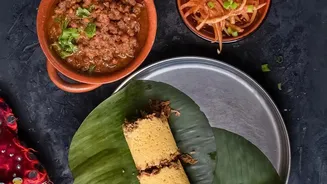
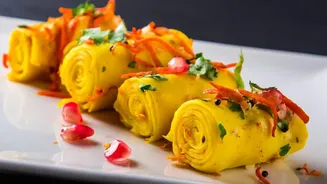
Colocasia leaves, or 'arbi ke patte', are large, heart-shaped greens that are the star of a popular snack known as 'Patra' in Gujarat and Maharashtra, and 'Patrode' in Karnataka. The leaves are smeared with a spicy and tangy gram flour paste, rolled into logs, steamed, and then sliced into pinwheels. These pinwheels can be tempered with spices or shallow-fried until crisp. This dish is a brilliant showcase of how an otherwise inedible raw leaf is transformed into a delectable snack.
6. Lotus Stem (Kamal Kakdi)
Known as 'kamal kakdi' or 'bhey', the lotus stem is the crunchy, porous root of the lotus plant. While it's a delicacy in North Indian cuisines, especially in Kashmir and Punjab, it remains an overlooked vegetable in many other parts of the country. The stem has a mild flavour and a wonderfully crunchy texture that it retains even after cooking. It's often sliced into rounds and cooked in spicy gravies, made into crisp fritters, or stir-fried with a simple mix of spices.
7. Drumstick Leaves (Moringa)
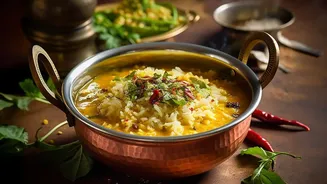
The drumstick vegetable is common in many Indian dishes, but its leaves, known as moringa, are a superfood often left behind. These tiny leaves are incredibly nutritious and are used extensively in South Indian cooking. They can be stir-fried with coconut and spices (poriyal), added to lentils to make a hearty 'dal', or even kneaded into dough to make nutritious parathas. They have a slightly bitter taste that mellows upon cooking, adding a unique flavour profile to any dish.
8. Cauliflower Stems (Gobi Danthal)
When you chop up a cauliflower, the thick stems and leaves are usually relegated to the compost bin. However, in Punjabi cuisine, these very stems are used to create 'Gobi Danthal ki Sabzi'. The stems are chopped and cooked in a tangy, spicy gravy, often with potatoes. The stems become tender yet retain a pleasant bite, absorbing all the flavours of the masala. This dish is a testament to the resourcefulness and root-to-flower eating philosophy embedded in everyday Indian cooking.