




What is the 'No-Insurance-No-Fuel' Proposal?
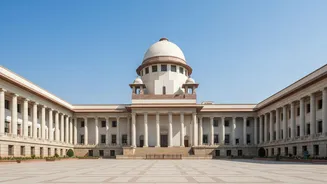
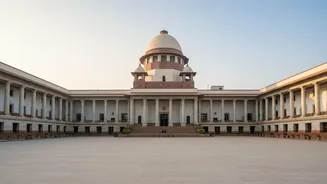
The 'No-Insurance-No-Fuel' concept is a pilot project proposed by the Supreme Court of India to improve road safety and insurance compliance. The court has directed the Insurance Regulatory and Development Authority of India (IRDAI) and the Ministry of Road
Transport and Highways (MoRTH) to develop a system where petrol pumps could be required to verify a vehicle's insurance status before dispensing fuel. If a vehicle is found to be without a valid insurance policy, the fuel station could refuse to sell petrol or diesel to the driver until the required insurance is obtained. This is currently a proposal for a pilot project and has not been implemented nationwide.
Why is This Being Considered?
The primary motivation behind this drastic proposal is the alarming number of uninsured vehicles on Indian roads. According to recent court observations and committee reports, approximately 56% of all registered vehicles in the country—amounting to over 16 crore cars and bikes—do not have mandatory insurance coverage. This poses a significant problem when accidents occur, as victims often face immense difficulty and prolonged legal battles to receive financial compensation for injury, death, or damages. By enforcing insurance compliance at a frequent point of contact like a petrol pump, the authorities hope to ensure that more vehicles are covered, thereby protecting accident victims.
Is a Third-Party Policy Sufficient?
Yes, absolutely. The entire focus of the 'No-Insurance-No-Fuel' proposal is to enforce the existing law, which is the mandatory requirement for all vehicles to have at least a valid Third-Party Liability (TPL) insurance policy under the Motor Vehicles Act. The aim is not to compel owners to buy comprehensive or 'first-party' insurance, but to ensure the minimum legal requirement is met. A third-party policy covers your legal liability for any damage, injury, or death you may cause to another person or their property. Since this is the mandatory part of motor insurance, having a valid and active third-party policy would make you fully compliant under the proposed system.
How Will Verification at Petrol Pumps Work?
While the exact mechanics are still being worked out for the pilot project, the system is expected to be technology-driven. The proposal includes integrating systems at petrol pumps with the central VAHAN vehicle database and insurance company records. This could involve scanning a vehicle's number plate using Automatic Number Plate Recognition (ANPR) cameras or having attendants use a handheld device to quickly check the insurance status linked to the vehicle's registration number. The goal is to make the verification process quick and seamless to avoid major disruptions at busy fuel stations.
What Other Changes Were Proposed?
Alongside the fuel linkage proposal, the Supreme Court also directed an extension of the mandatory third-party insurance period for newly purchased vehicles. For new cars, the compulsory upfront third-party insurance period will be increased from three years to four years. For new two-wheelers, this period will be extended from five years to six years. This measure is designed to reduce the number of vehicles that inadvertently become uninsured shortly after their initial purchase and registration.
How to Check Your Insurance Status Now
Even before this proposal becomes a reality, it is crucial to know your vehicle's insurance status. The easiest way to do this is online through official government portals. You can visit the Parivahan Sewa website (parivahan.gov.in) or use the mParivahan mobile application. By simply entering your vehicle's registration number, you can instantly see details of your insurance policy, including the name of the insurer and, most importantly, the expiry date. This allows you to renew your policy on time and avoid any legal penalties or potential issues under the proposed new rule.