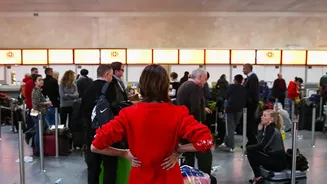







The excitement of Diwali is in the air, but so is the chaos of peak travel season. Navigating flight bookings can be stressful, especially when plans change. Understanding your airline's rescheduling policies is key to a smooth journey.
Know Your Rights as a Passenger
Before you even
book a flight, it's crucial to understand the basic protections afforded to you as a passenger in India. The Directorate General of Civil Aviation (DGCA) sets the rules for all airlines operating in the country. A key rule, effective from March 2026, introduced a 48-hour 'look-in' period. This allows passengers to cancel or amend their tickets within 48 hours of booking without incurring airline cancellation or change fees, provided the flight is at least seven days away for domestic travel. However, you will still have to pay any fare difference if the new flight is more expensive. If an airline cancels your flight, your rights depend on the notice period. If you're informed less than two weeks before departure, you are entitled to a full refund or an alternative flight. If the notice is less than 24 hours, you may also be eligible for compensation ranging from ₹5,000 to ₹10,000, depending on the flight's duration. These rights are your baseline protection, regardless of what an individual airline's policy states.
Read the Fine Print Before Booking
Every airline ticket comes with a set of 'fare rules' that dictate the terms for changes and cancellations. During the high-demand Diwali season, these rules can be stricter. Airlines often have different fare categories, such as 'Lite', 'Flexi', or 'Value'. A cheaper 'Lite' fare might be non-refundable and carry high change penalties, while a more expensive 'Flexi' fare might allow changes for free or for a minimal fee. Before you click 'purchase', locate and read these conditions. They are usually available via a link near the fare details. Pay close attention to the specific fees for date changes, cancellations, and no-shows. Don't assume a 'free change' means the entire process is free; it often just waives the airline's penalty fee, but you will still be liable for any difference in the ticket price for your new travel date.
Where to Find Rescheduling Policies
The most reliable source for any airline's policy is its own official website. Look for a section titled 'Conditions of Carriage', 'Fare Rules', or a dedicated 'Fees and Charges' page. For example, major carriers like Air India, IndiGo, and Vistara all have detailed charts outlining their fee structures for different types of changes. These pages will specify fees based on how far in advance you are making the change. Typically, changes made more than 72 hours before departure are cheaper than last-minute modifications. Print or save a PDF of the fare rules applicable to your ticket at the time of booking. This documentation can be invaluable if you need to dispute a charge or clarify a policy with customer service later.
The Role of Third-Party Booking Sites
Many travellers book through online travel agencies (OTAs) for convenience and comparison. However, this adds another layer of policies. When you book through an OTA, you are subject to both the airline's rules and the OTA's own terms of service. The OTA may charge its own service fee for processing any changes or cancellations, in addition to the airline's penalties and fare difference. The DGCA has mandated that refunds for tickets booked through agents must be processed within 14 working days. If you need to make a change, you will almost always have to contact the OTA directly, not the airline. To avoid confusion, check the OTA's specific policies on changes and cancellations before you finalise your booking.
Consider Travel Insurance
For peak travel periods like Diwali, purchasing travel insurance can provide an extra layer of security. A standard travel insurance policy can offer coverage for trip cancellations or interruptions due to specified reasons like a medical emergency or severe weather. Some policies also offer 'Cancel For Any Reason' (CFAR) coverage as an add-'on'. This allows you to cancel your trip for reasons not covered by a standard policy and receive a partial refund, typically around 75% of your non-'refundable costs'. Given the high ticket prices and potential for disruption during the festive rush, the modest cost of insurance can be a worthwhile investment for peace of mind.