








The Vanishing Lunch Hour
Across India's bustling metropolitan hubs, the concept of a relaxed, hour-long lunch break is becoming a relic of the past. Gruelling commutes, high-pressure jobs, and the blurring of work-life boundaries are forcing a major shift in eating habits. For
many young professionals, time is the most scarce resource, and preparing elaborate meals from scratch is a luxury they can no longer afford. This time scarcity is a direct result of rising urbanization and the increase in dual-income nuclear families, where daily cooking becomes a significant challenge. Consequently, the workday diet is being redefined not by tradition, but by accessibility, speed, and convenience. This has created a powerful demand for meal solutions that fit into packed schedules, fundamentally altering the rhythm of how urban India eats.
The Convenience Economy Responds
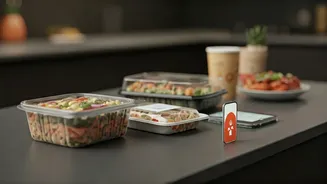
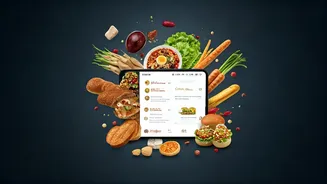
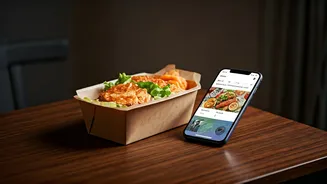
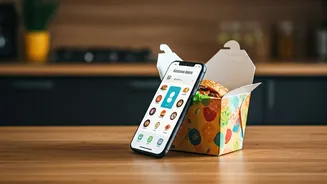
The food industry has been quick to cater to this time-starved demographic. The result is a booming market for Ready-to-Eat (RTE) meals, Quick Service Restaurants (QSRs), and app-based food delivery services. India’s ready-to-eat food market, valued at over USD 1 billion in 2025, is projected to see explosive growth, with some estimates predicting a CAGR of over 15% through 2031. Similarly, the QSR market is forecast to expand significantly, reaching nearly USD 47.28 billion by 2031. This growth is powered by digital adoption, with platforms like Zomato and Swiggy making it possible to get a meal delivered in minutes. The expansion isn't just in metros; Tier-2 and Tier-3 cities are now driving a significant portion of the growth as organised retail and delivery infrastructure improves.
It's Not Just Junk Food
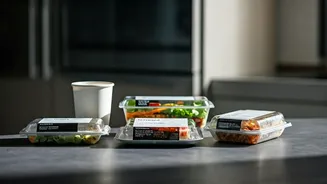
While 'quick meal' once conjured images of unhealthy fried snacks, the market is rapidly evolving. Today’s consumers, particularly Millennials and Gen Z, are increasingly health-conscious and are driving demand for nutritious, clean-label options. This has spurred innovation, with companies launching a wide array of healthier choices, including baked snacks, millet-based meals, protein-rich salads, and plant-based offerings. Many brands now highlight preservative-free recipes and use advanced freezing technology to maintain nutritional value. Consumers are also willing to pay a premium for products they perceive as higher quality or healthier. This has led to the rise of 'premium convenience', where one can order gourmet salads, fusion bowls, and artisanal sandwiches, all designed for a quick workplace lunch.
A Culture in Transition
This shift towards convenience is more than just a business trend; it reflects a deeper cultural change. The tradition of sharing a home-cooked meal with colleagues is giving way to solo desk lunches. The definition of a 'meal' itself is becoming more flexible, with many younger Indians opting for multiple small snacks throughout the day instead of three large meals. While this offers unprecedented choice and flexibility, it also raises questions about the potential decline of traditional food knowledge and family recipes. The focus has moved from the process of cooking to the experience of eating, with an emphasis on variety and global flavours. For a generation that grew up with global content on social media, trying a Korean rice bowl or a Mexican wrap for lunch is as normal as eating dal and roti.