






The Monsoon We Knew Is Changing
The traditional Indian monsoon was characterized by days of steady, moderate rainfall that soaked into the ground, replenished aquifers, and nourished crops. This predictable pattern allowed agricultural cycles and water management systems to thrive for
generations. However, scientists have observed a significant shift in this behaviour. A growing body of evidence indicates the monsoon is becoming more volatile. The total volume of rain over a season might remain similar, but its delivery has changed dramatically. Instead of being spread out, rainfall is now frequently concentrated into ferocious, short-lived bursts, often punctuated by long, dry spells.
What's Driving This Dangerous Shift?
The primary driver behind this change is a warming climate. Global warming has led to warmer oceans, particularly the Indian Ocean and the Arabian Sea. A warmer atmosphere can hold significantly more moisture—about 7% more for every degree Celsius of warming. This supercharged air, combined with increased moisture supply from the warmer seas, creates the perfect conditions for extreme rainfall events. When these conditions align, the atmosphere releases this enormous amount of moisture in intense, concentrated downpours rather than moderate spells. This dynamic is altering the monsoon's fundamental behaviour, leading to what scientists call an increase in rainfall variability.
A Crisis for India's Farmers
The impact on agriculture, the backbone of the Indian economy, is profound. Farmers depend on the timely arrival and consistent nature of monsoon rains for planting. Short, intense downpours are often more destructive than helpful. The sheer force of the water erodes topsoil and can wash away newly planted seedlings. Because the rain falls too quickly for the ground to absorb, it leads to rapid runoff instead of recharging soil moisture. This is followed by long dry periods that can stress or kill crops, forcing farmers to rely more on groundwater for irrigation, which puts a further strain on already depleting resources. This new, unpredictable pattern of 'flood and drought' within the same season threatens crop yields, food security, and the livelihoods of millions.
Cities Under Water
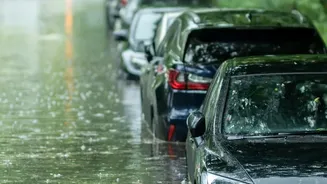
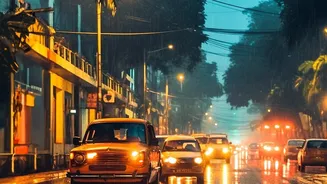
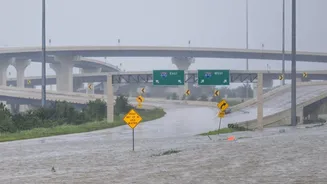
Urban India is also bearing the brunt of these intense rainfall events. Cities like Mumbai, Delhi, and Kolkata have seen devastating floods become an almost annual occurrence. Urban drainage systems, many of which are old and poorly maintained, were designed for a different kind of rain—more moderate and spread out. They are simply not equipped to handle the massive volume of water unleashed during a modern cloudburst, where a month's worth of rain can fall in just a few hours. The result is widespread urban flooding that paralyses transportation, damages infrastructure, and poses significant public health risks. As cities continue to expand and concrete replaces porous ground, the problem is only getting worse.
The Paradox of Water Scarcity
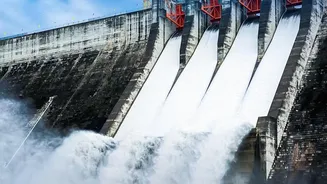
It may seem counterintuitive, but these intense downpours can actually lead to greater water scarcity. When rain falls in a deluge, most of it flows away quickly over the land's surface, into drains, and out to sea. It doesn't have time to percolate deep into the ground to recharge the aquifers that are crucial for drinking water and irrigation during dry months. This creates a dangerous paradox: a region can suffer from devastating floods during the monsoon and then face severe water shortages just a few months later. This highlights a critical challenge for India's water management—the need to not only manage floods but also to capture and conserve the intense rainfall for when it is needed most.