



The Smart Philosophy of Overlap
Ingredient overlap is a simple but powerful strategy: planning your meals around core ingredients that can be used in multiple dishes. Instead of a unique shopping list for every single recipe, you focus on a versatile set of staples that can be transformed
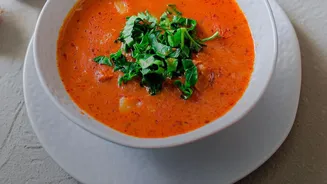
throughout the week. The benefits are instant: smaller grocery bills, significantly less food waste, and faster, less stressful meal preparation. It’s about seeing a potato not just as a side for one meal, but as the potential for a sabzi, a filler for parathas, or the base for a hearty soup.
The Foundation: Your Core Pantry
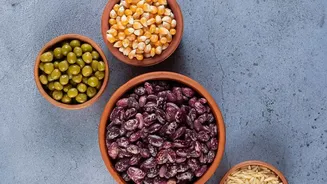
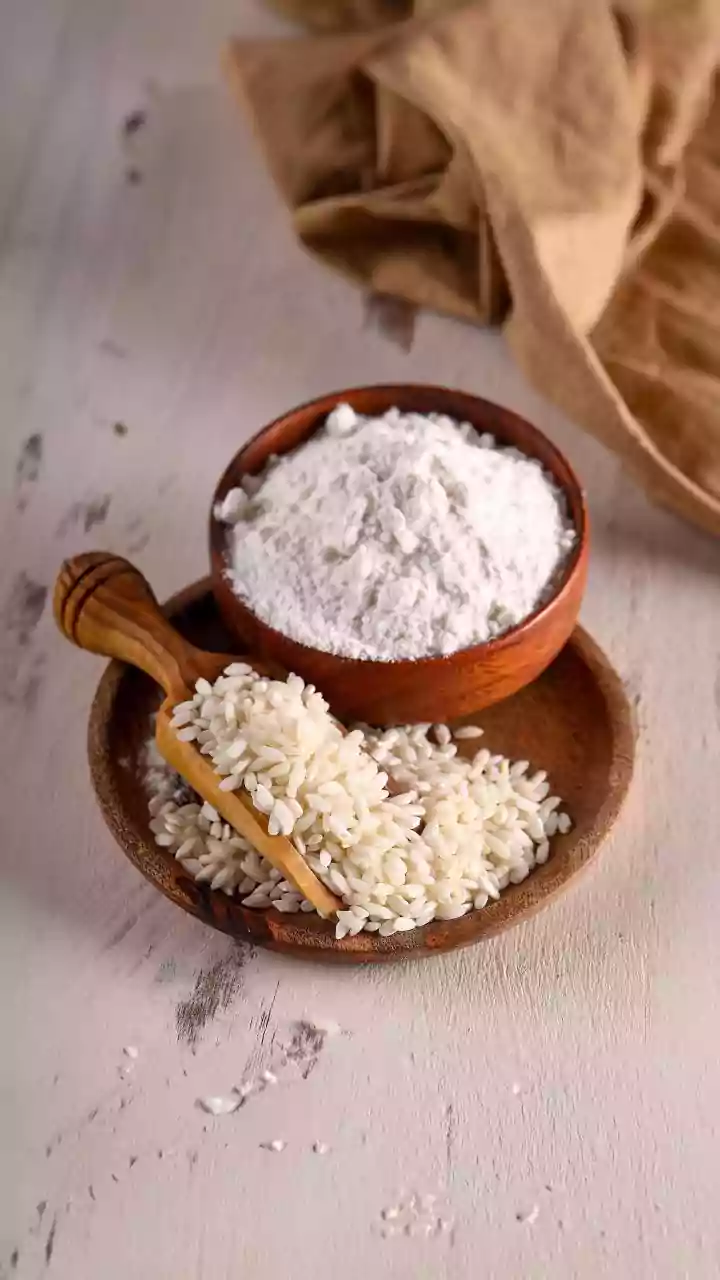
A smart pantry is the backbone of this approach. It doesn’t need to be huge, just strategic. Start with the absolute essentials of Indian cooking. For grains, ensure you have quality basmati rice and whole wheat atta. These are the non-negotiables for everything from daily rotis and rice plates to more elaborate biryanis. Next are lentils (dals). Stocking just two or three versatile types like toor (arhar) dal, masoor dal, and moong dal allows you to make a huge variety of comforting and nutritious dishes. Finally, a good quality cooking oil, like sunflower or groundnut oil, and ghee for finishing touches, are essential.
The Holy Trinity and Versatile Veggies
Nearly every savoury Indian dish begins with a trio of aromatics: onions, ginger, and garlic. This base is so fundamental that preparing a ginger-garlic paste in advance is a common time-saving trick. Beyond this, a few select vegetables offer maximum flexibility. Potatoes are incredibly versatile, working in dry and gravy dishes alike. Tomatoes form the acidic, flavourful base of countless curries. Onions, of course, are essential for the foundational 'bhuna' process. Add in a sturdy green like spinach or a flexible vegetable like cauliflower, and you have the building blocks for dozens of sabzis, curries, and side dishes with minimal waste.
The Magic of the Masala Dabba
Indian cooking is renowned for its spices, but you don’t need a hundred different packets. A well-curated masala dabba (spice box) is your best friend. The truly essential spices that power the majority of everyday dishes are turmeric (haldi), cumin seeds (jeera), coriander powder (dhania), and red chilli powder. A quality garam masala is also key for adding that final layer of warm, complex flavour. With just these core spices, you can create the distinct flavour profiles for a vast range of regional dishes. The secret lies not in having dozens of spices, but in knowing how to combine the essential few.
Bringing It All Together: From Staples to Meals
Let’s see the overlap in action. Imagine you buy onions, tomatoes, ginger, garlic, potatoes, and spinach, alongside your core pantry of dal, rice, and spices. Your week could look like this: Monday is comforting dal and rice with a simple potato fry (aloo bhujia). Tuesday, you use the same onion-tomato base to create a spinach and potato dish (aloo palak). Wednesday, leftover dal can be used to make dal parathas for breakfast. The same potatoes and spices can be seasoned differently for a dry sabzi to pack for lunch. This is not about eating the same thing every day, but about using the same building blocks to create varied and delicious meals efficiently.