


A Return to Natural Aesthetics
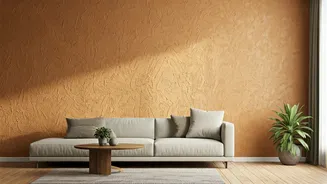
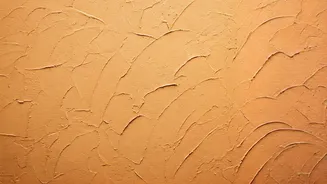
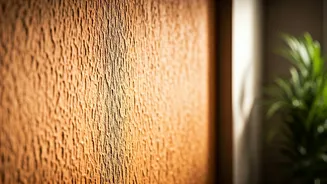
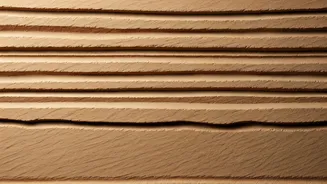
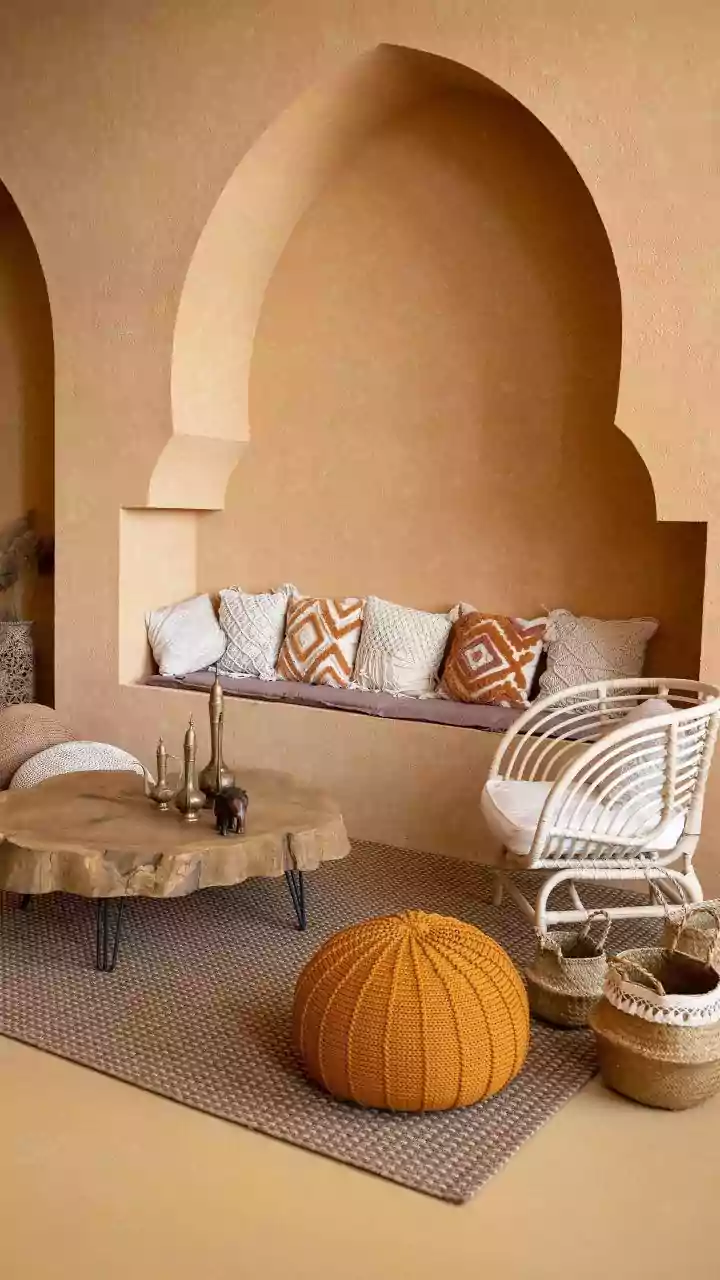
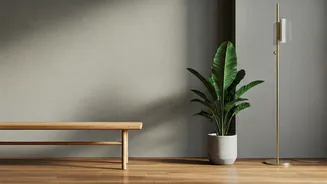
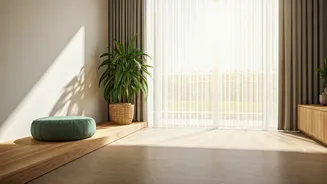
Step into a room with clay-plastered walls, and you immediately feel a difference. Unlike the uniform flatness of painted drywall, natural clay and terracotta finishes possess a subtle depth, warmth, and variation. Light plays across the textured surface,
creating soft shadows and a sense of movement. This aesthetic is rooted in millennia of building tradition, from ancient cob houses to Mediterranean villas. Designers are drawn to this timeless quality because it connects a space to nature and craft. The rich, earthy tones—from warm terracotta to cool greys and soft whites—are derived directly from the clay’s mineral composition, offering a colour palette that is inherently harmonious and soothing. This finish provides a perfect backdrop for both minimalist and maximalist decor, adding a layer of organic sophistication that synthetic materials can't replicate.
The Health-Conscious Choice for Walls
One of the most compelling reasons for the rise of clay finishes is what they *don't* contain. Most conventional paints, primers, and even drywall compounds can release Volatile Organic Compounds (VOCs) into the air for years after application. These chemicals are known to contribute to poor indoor air quality and can cause a range of health issues. Natural clay plasters, on the other hand, are typically zero-VOC. They are composed of simple, raw ingredients: clay, sand, and sometimes natural fibres like straw. This makes them an exceptionally healthy choice, especially for bedrooms, nurseries, and for individuals with allergies or chemical sensitivities. By choosing clay, designers are essentially specifying a wall that purifies the living environment rather than pollutes it.
A Natural Climate and Humidity Regulator
Clay has a remarkable, almost magical property: it’s hygroscopic, meaning it can absorb and release moisture from the air. This makes a clay wall a passive humidity regulator. In a humid room, the clay will absorb excess moisture; when the air becomes dry, it will release that moisture back into the space. This natural balancing act helps maintain a consistent and comfortable indoor humidity level (typically between 40-60%), which is optimal for human respiratory health. This breathability prevents the buildup of dampness within the walls, significantly reducing the risk of mould and mildew growth—a common problem in modern, hermetically sealed homes. This function goes beyond aesthetics, turning the very walls of a home into an active part of its wellness system.
True Sustainability, from Earth to Wall
For designers focused on sustainability, material lifecycle is paramount. Clay is a standout performer. It is an abundant, naturally occurring material that requires minimal processing compared to synthetic alternatives like cement-based plasters or acrylic paints. The energy required to mine, mix, and prepare clay plaster (its embodied energy) is exceptionally low. At the end of its life, it is completely biodegradable and can be returned to the earth without causing harm. Some clay plasters can even be rehydrated and reused. This circular, earth-to-earth lifecycle is the gold standard in sustainable building, and it’s a core reason why eco-conscious architects and designers champion its use.
Versatility in Modern and Classic Interiors
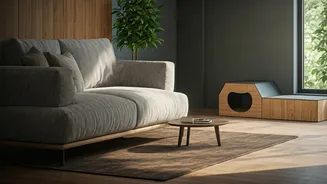
While the words “clay” and “terracotta” might evoke rustic or bohemian images, the material is incredibly versatile. Skilled artisans can achieve a vast range of finishes, from a highly polished, marble-like surface known as Tadelakt (a related lime plaster technique) to a rough, textural finish that adds rustic character. It can be pigmented to almost any earthy shade and applied seamlessly around curves and into niches, creating a soft, monolithic look. This adaptability allows designers to incorporate clay walls into ultra-modern, minimalist spaces as easily as they can in traditional or country-style homes. It’s a material that doesn’t dictate a style but rather enhances the intended atmosphere with its inherent integrity and beauty.