



Plan Your Menu, Count Your Guests
The secret to a low-waste Sadhya begins days before the feast. A traditional Sadhya can have over 26 dishes, but you don't need to make them all in large quantities. First, get a firm headcount of your guests. This is the single most important step in preventing
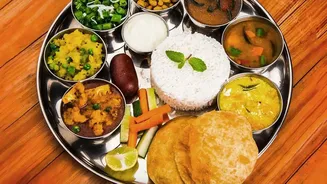
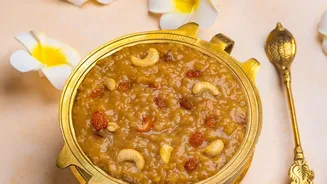
waste. Next, plan your menu. A balanced Sadhya includes essentials like rice, parippu curry, sambar, and avial, complemented by a selection of thorans, pachadis, pickles, and a payasam. For a smaller gathering, focus on mastering these core dishes rather than making token amounts of thirty different items. It's better to have generous portions of ten beloved dishes than tiny, untouched servings of many more. Some dishes, like inji puli and pickles, can be made several days in advance, easing the cooking load on the main day.
Shop Smart and Local
Onam is a harvest festival, making it the perfect occasion to celebrate local, seasonal produce. When you buy vegetables like pumpkin, ash gourd, bananas, and beans from local vendors, you not only get fresher ingredients but also reduce the carbon footprint associated with long-distance food transport. Before you go shopping, make a detailed list based on your planned menu and guest count. This helps prevent impulse buys of vegetables you won't use. Avoid pre-packaged or plastic-wrapped produce where possible. Take your own cloth bags to the market. This small step aligns with the growing movement in Kerala for 'Green Onam' celebrations that discourage single-use plastics. Remember to buy only what you need; even with many dishes, portion sizes for each are small.
Embrace the Banana Leaf
The tradition of serving the Sadhya on a banana leaf is inherently eco-friendly. The leaf is a natural, biodegradable plate that imparts a subtle aroma to the hot food. It eliminates the need for plastic or even washable plates, reducing both waste and water consumption. Arrange the dishes in their traditional spots on the leaf, with the pappadam, pickles, and chips on the left, and the main dishes served on the right side. This organised placement is not just for aesthetics; it helps guests navigate the meal. When serving, start with smaller portions. This encourages guests to take only what they can eat and feel comfortable asking for more of their favourites, rather than leaving food behind on a pre-loaded leaf.
Get Creative With Leftovers
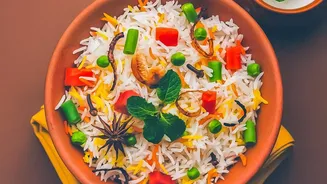
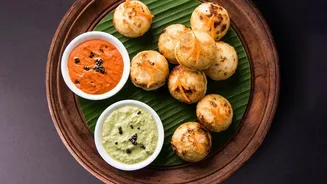
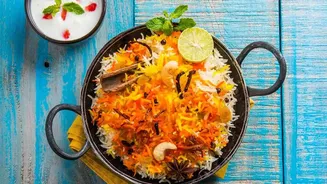
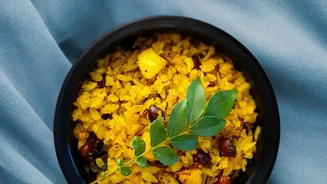
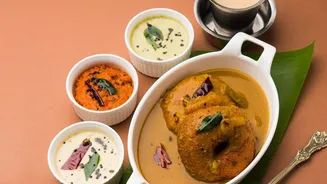
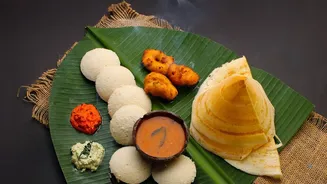
Even with perfect planning, leftovers can happen. Instead of discarding them, think of them as ingredients for your next meal. Leftover rice can be used for a stir-fry the next day. A mix of thorans and other dry vegetable dishes can be combined to create a new side dish. Leftover sambar often tastes even better the next day and can be enjoyed with dosa or idli for breakfast. Some people enjoy simple combinations like leftover puliinji with rice and pappadam. Many pachadis and kootu curries also keep well in the refrigerator for a day or two. By repurposing these delicious components, you honour the effort that went into cooking them and ensure nothing goes to waste.
Close the Loop: Smart Waste Segregation
After the feast, responsible disposal is the final step. The banana leaves, along with any leftover food scraps and vegetable peels from cooking, are fully compostable. If you have a home compost system, these can be added to it, returning valuable nutrients to the soil. Many communities are now actively promoting waste segregation during festivals. Separate your waste into biodegradable (food, leaves, flowers) and non-biodegradable categories. Flower arrangements from your pookalam can also be composted. By mindfully managing the waste you generate, you close the loop on your celebration, making it a truly clean and green Onam.