


More Than Just Rhinos and Tea
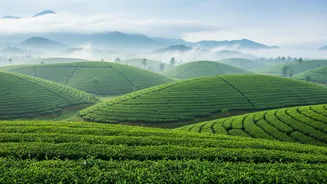
For decades, tourism in Assam was synonymous with two things: the majestic one-horned rhinoceros of Kaziranga National Park and the sprawling emerald tea gardens. While these remain magnificent draws, a quieter, more profound travel movement is taking
root. It’s a shift away from crowded circuits and towards experiences that are environmentally responsible and deeply connected to local communities. Assam is emerging as a leader in sustainable tourism in Northeast India, offering a model that balances ecological preservation with economic opportunity for its people. This new approach invites travellers to look beyond the iconic sights and discover the soul of the state through its villages, its people, and its incredible biodiversity.
The Rise of Community-Led Experiences
At the heart of this green transformation is community-based tourism. Across the state, from the river island of Majuli to the hills of Dima Hasao, local communities are opening their homes and hearts to visitors. Homestays, often built in traditional styles using local materials like bamboo, offer more than just a place to sleep. They provide an authentic glimpse into the Assamese way of life, complete with home-cooked meals featuring regional delicacies and conversations that bridge cultural divides. Initiatives like the 'Amar Aalohi' (Our Guest) scheme are empowering local entrepreneurs, particularly women, to create these small-scale tourism ventures. This ensures that tourism revenue directly benefits the local economy, providing livelihoods and incentivizing the preservation of both natural and cultural heritage.
Embracing the Monsoon's Magic
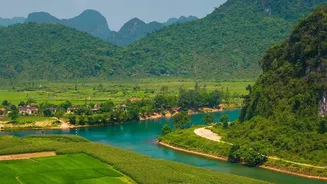
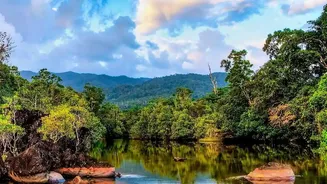
The phrase "rain-soaked" might sound like a deterrent, but in Assam, the monsoon (typically June to September) is when the land is at its most magical. The rains breathe life into the landscape, turning forests a brilliant, lush green and causing waterfalls to cascade down hillsides. For those seeking solitude and a break from crowded tourist spots, this is the perfect time to visit. The weather is cooler, the air is fresh, and destinations like Haflong, Assam's only hill station, are shrouded in a mystical mist. Even the mighty Brahmaputra River takes on a soulful calm. While travellers should remain aware of potential flooding in low-lying areas, much of the state offers a safe and uniquely beautiful monsoon experience, often at more budget-friendly prices.
A Blueprint for Responsible Travel
Assam's journey towards sustainability is supported by a clear vision. The Assam Tourism Policy 2022 emphasizes ecotourism, tea tourism, and river circuits, aiming to diversify attractions beyond Kaziranga. This involves creating eco-sensitive zones, promoting plastic-free travel, and developing community-run eco-camps near wildlife sanctuaries. Organisations and tour operators are crafting itineraries focused on responsible travel, connecting visitors with conservation projects and indigenous communities like the Mishing and Bodo people. The goal is not just to increase tourist footfall, but to ensure that tourism acts as a force for good—preserving Assam’s fragile ecosystems and unique cultures for generations to come.