

Why the Monsoon is a High-Risk Period
The combination of warmth and high humidity during the Indian monsoon creates an ideal environment for ticks and fleas to multiply rapidly. Relative humidity often stays above 80%, meaning your pet's coat can remain damp for extended periods, trapping
moisture against the skin. This not only encourages parasites but also leads to fungal and bacterial skin infections. Ticks thrive in these conditions, hiding in damp soil, tall grass, and leaf litter, ready to latch onto a passing animal. This surge in the tick population directly leads to a spike in tick-borne diseases from June to September, making vigilance a crucial part of pet care.
The Hidden Dangers of a Single Tick Bite
A tick is not just an itchy nuisance; it's a carrier for serious and potentially fatal diseases. In India, the most common tick-borne illnesses are Canine Babesiosis and Ehrlichiosis, often collectively called 'tick fever'. Babesiosis attacks the red blood cells, causing anemia, pale gums, weakness, and dark urine. Ehrlichiosis targets white blood cells, with early signs including high fever, lethargy, and loss of appetite, which can appear one to three weeks after a bite. Since there is no vaccine for tick fever, prevention and early detection are the only effective strategies. Vets across the country report a significant increase in these cases during the rainy season.
Grooming as Your First Line of Defence
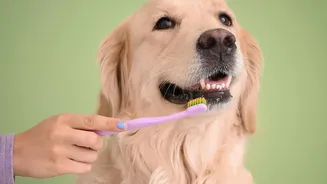
Proactive pet owners are increasingly turning to a simple yet powerful strategy: integrating thorough tick checks into their daily grooming routine. Regular grooming is essential during the monsoon anyway, to keep your pet's coat dry, clean, and free from mats that trap moisture. By combining this necessary task with a deliberate search for ticks, you create a daily habit that can catch these parasites before they have a chance to transmit disease. Most infections are transmitted 24-48 hours after a tick attaches, so finding and removing one on the same day dramatically reduces the risk to your pet.
How to Conduct a Thorough Tick Check
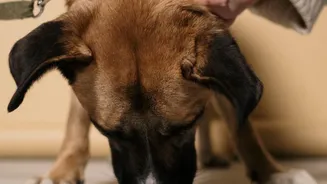
A proper tick check involves more than a quick glance. It requires a systematic, hands-on approach. Run your fingers slowly through your pet's entire coat, feeling for any small bumps on the skin. Ticks prefer warm, hidden spots, so pay special attention to key areas: inside and behind the ears, under the collar, in the 'armpits' of the front legs, around the groin, between their toes, and at the base of the tail. If you find a bump, part the fur to get a closer look. Ticks can be as small as a pinhead and may look like a small, dark speck of dirt. This daily ritual, which can take as little as 60 seconds once you're used to it, is one of the most effective ways to keep your pet safe.
Additional Monsoon Grooming and Care
Beyond tick checks, a few other grooming habits are vital during the rains. Thoroughly dry your pet with a towel after every walk, paying special attention to their paws and belly. Keeping the fur between their paw pads trimmed can reduce the amount of mud and moisture they track indoors. While it may seem counterintuitive, you should bathe your pet less frequently, as over-bathing can strip their skin of its natural protective oils. When you do bathe them, ensure they are dried completely. Also, make sure their bedding is washed regularly and kept dry, as tick eggs can lurk in their sleeping areas.