




A Monsoon on Pause: Bengaluru's Dry July
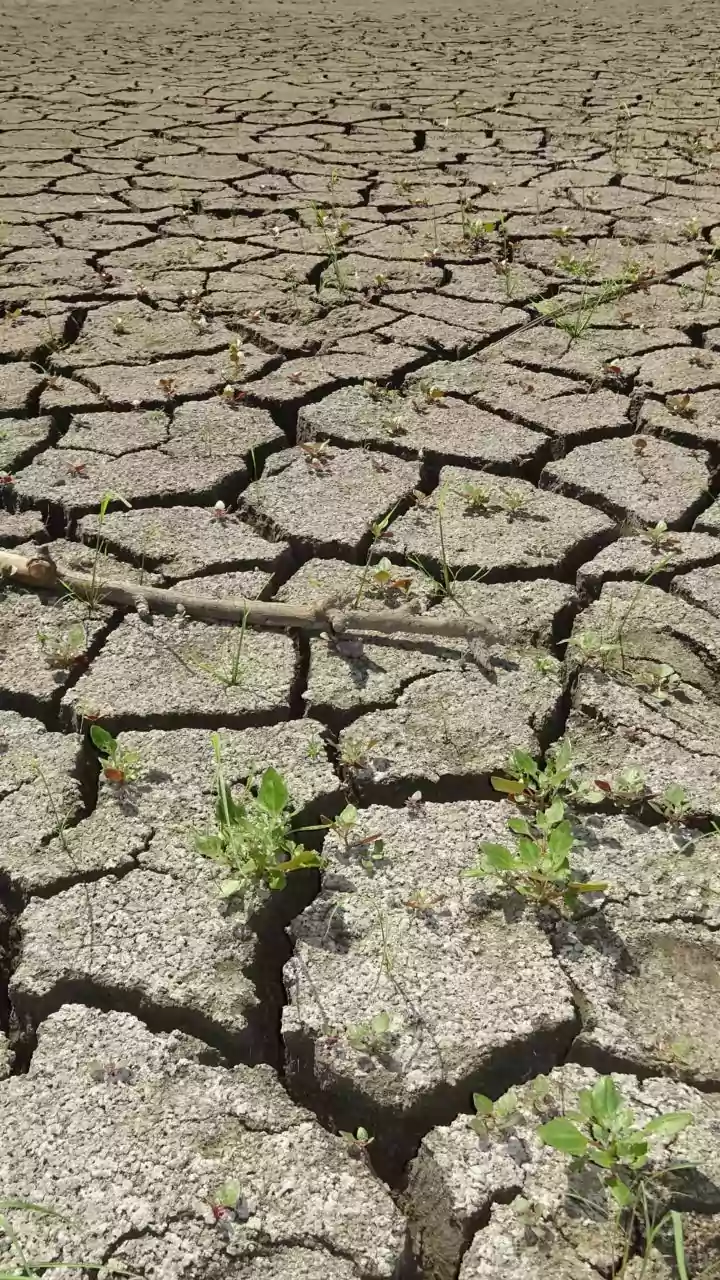
July 2026 was not just a little dry; it was Bengaluru's second-driest July in 108 years. The India Meteorological Department (IMD) recorded just 23mm of rainfall for the month at its city observatory, a stark contrast to the typical 80mm to 100mm expected.
This followed a period of unusually high temperatures, with the city recording its hottest July day in 112 years. The weak monsoon performance has led to concerns about water security, with thousands of lakes and water bodies across Karnataka already drying up. This deficit has made understanding local rainfall more critical than ever.
Why Your Backyard Data Matters
Official weather data is collected from a limited number of stations. In a sprawling city like Bengaluru, this doesn't capture the full picture. A downpour in Whitefield might not even register in Malleswaram. This is where citizen science becomes powerful. By measuring rainfall in your own locality, you help create a high-resolution map of the monsoon's behaviour across the city. This kind of granular data is invaluable for understanding microclimates, managing urban flooding, and planning for water conservation. Your observations can help paint a more accurate picture of how the monsoon is truly unfolding, block by block.
Build Your Own Rain Gauge: A Simple Guide
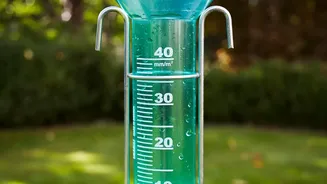
You don’t need sophisticated equipment to start measuring rainfall. A simple, effective rain gauge can be made with household items.
1. Find a Container: Take a clear, straight-sided plastic bottle (like a 2-litre soft drink bottle).
2. Make the Cut: Carefully cut the top third of the bottle off.
3. Create a Funnel: Invert the top portion you just cut (without the cap) and place it into the bottom portion. This acts as a funnel and reduces evaporation. You can secure it with tape.
4. Add a Scale: Using a ruler and a permanent marker, draw a scale in millimetres or centimetres on the side of the bottle, starting from the bottom. Alternatively, you can stick a ruler to the inside or outside of the container.
5. Placement is Key: Place your new rain gauge in an open area, away from trees or buildings that could obstruct rainfall. To keep it stable, you can dig it slightly into the ground or place heavy stones around its base.
How to Measure and Record Your Findings
The process of collecting data is simple but requires consistency for it to be useful. Check your rain gauge at the same time every day, for instance, at 8:30 AM, which is the standard for IMD readings. Note down the amount of rainfall collected against the scale you created. After recording the measurement, empty the gauge so it’s ready for the next 24-hour cycle. Keeping a simple logbook or a spreadsheet with the date and rainfall amount (in mm) will help you track patterns over weeks and months. This daily practice transforms a simple DIY project into a valuable scientific record.
Leveraging Technology for a Bigger Picture
While a home gauge is excellent for your immediate area, technology can connect your findings to a larger network. The IMD's 'Mausam' app provides official forecasts, radar images, and warnings. There are also global citizen science platforms like iRain, which allow users to report local rainfall information, supplementing satellite data with on-the-ground observations. In India, initiatives like the Jaldoot App, used for monitoring well levels, show the power of community-led data collection. Participating in such platforms, where possible, allows your data to contribute to a broader understanding of weather patterns.
What Do Your Numbers Mean?
Once you have collected a few weeks of data, you can start your assessment. Compare your weekly or monthly totals to the historical averages for Bengaluru, which are often available on the IMD or Karnataka State Natural Disaster Monitoring Centre (KSNDMC) websites. Are your neighbourhood's totals aligning with city-wide reports? Are you seeing more or less rain than expected? This comparison turns raw numbers into meaningful insight. Understanding these trends helps in making informed decisions, from managing water in your own home to participating in community discussions about local environmental resilience.