


What Is Your Skin Barrier, Anyway?
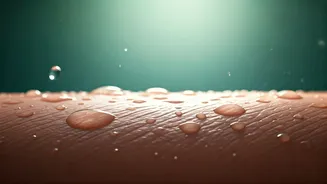
Think of your skin barrier as a security guard for your face. Scientifically known as the stratum corneum, it’s the outermost layer of your skin. The best way to picture it is as a brick wall. The 'bricks' are your skin cells (corneocytes), and the 'mortar'
holding them together is a mix of natural fats like ceramides, cholesterol, and fatty acids. This wall has two critical jobs: to keep the good stuff (like water and moisture) in, and to keep the bad stuff (like pollutants, bacteria, and allergens) out. When this barrier is strong and healthy, your skin looks plump, hydrated, and calm. When it's compromised, problems begin to appear.
Signs of a Damaged Barrier
How do you know if your skin’s security guard has gone on a break? Your skin will send some clear signals. The most common signs of a compromised barrier include increased sensitivity, redness, and a feeling of tightness, especially after cleansing. You might find that products that never bothered you before suddenly start to sting or cause irritation. Other tell-tale signs are persistent dryness, flakiness, a dull appearance, and even an increase in breakouts. Ironically, your skin might also feel oilier as it overproduces sebum to compensate for the lack of moisture. If your skin just feels constantly irritated and reactive, it's likely your barrier is crying out for help.
The Main Culprits Behind the Damage
In our quest for flawless skin, we can sometimes be our own worst enemy. One of the biggest culprits is the overuse of active ingredients like AHAs, BHAs, and retinoids. While excellent in moderation, going too hard, too fast can strip away the natural lipids that form your barrier 'mortar'. Other factors include using harsh, stripping cleansers that leave your skin feeling 'squeaky clean' but actually dehydrated. Environmental stressors, especially relevant in the Indian context, play a huge role too. Think intense UV exposure, high levels of pollution in our cities, and extreme weather shifts from dry heat to humid monsoons. Even stress and lack of sleep can weaken your skin’s natural defences over time.
Your Barrier Repair Toolkit: Key Ingredients
Repairing your barrier isn't about buying a whole new shelf of products; it's about prioritising the right ingredients. Look for these heroes in your serums, essences, and moisturisers: * **Ceramides:** These are the superstar lipids that make up over 50% of your skin's mortar. Adding them back topically is the most direct way to patch up the holes in your barrier. * **Niacinamide:** This form of Vitamin B3 is a fantastic multitasker. It helps your skin produce more of its own ceramides, reduces inflammation, and minimises redness. * **Hyaluronic Acid:** While it doesn't rebuild the barrier itself, this humectant draws moisture into the skin, keeping it hydrated and allowing the barrier to heal more effectively. * **Panthenol (Pro-Vitamin B5):** Another powerful humectant, panthenol not only hydrates but also has soothing and anti-inflammatory properties that calm irritated skin. * **Fatty Acids:** Ingredients like linoleic acid, found in oils like sunflower and grapeseed oil, are essential components of the barrier and help keep it supple and strong.
A Simple Routine to Rebuild Your Barrier
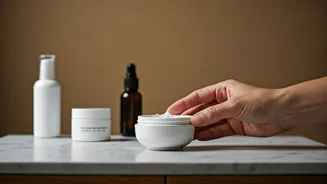
Ready to get started? The key is to pare back and focus on gentle nourishment. First, hit pause on all your potent exfoliants and retinoids for a couple of weeks. Switch to a pH-balanced, gentle cleanser that doesn’t foam excessively. After cleansing, while your skin is still damp, apply hydrating serums with ingredients like hyaluronic acid or panthenol. Follow this with a moisturiser rich in ceramides and fatty acids to lock everything in and actively repair the barrier. And finally, never, ever skip sunscreen. A broad-spectrum SPF of 30 or higher is non-negotiable, as UV damage is a primary cause of a weakened barrier. It’s a simple, 'less is more' approach that focuses on healing, not treating.