


Moving Beyond the Usual Suspects
For generations, the Indian vegetarian diet has relied on a trusted roster of protein sources, primarily lentils (dal), chickpeas (chana), and kidney beans (rajma). These ingredients are culinary cornerstones, beloved in dishes from dal makhani to chana masala.
However, as health consciousness rises and palates become more global, there is a growing appetite for variety. Consumers and chefs are now looking beyond traditional preparations, seeking new textures and flavours to elevate everyday meals. This shift is driven by a desire for more nutritionally complete options and a curiosity to explore the full potential of plant-based ingredients.
Tofu's Creative Indian Makeover
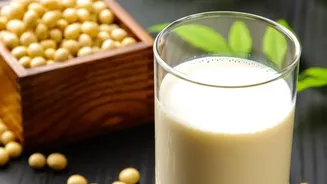
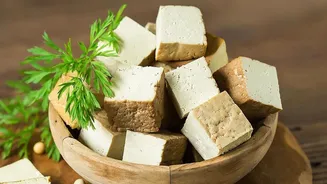
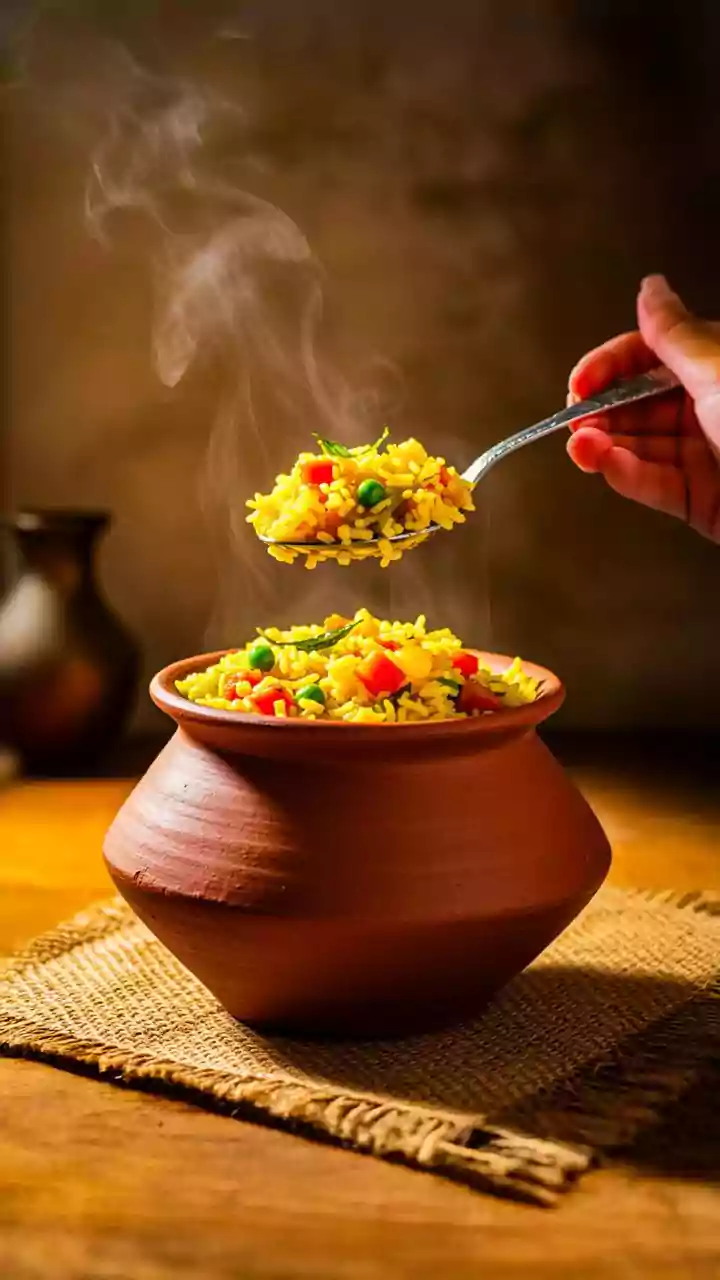
Once seen as a foreign ingredient or a simple substitute for paneer, tofu is finally finding its own identity in the Indian kitchen. Made from soy milk, its ability to absorb flavours makes it a perfect canvas for Indian spices. Chefs and home cooks are no longer just cubing it for curries; they are experimenting with it in exciting ways. You can now find recipes for masala tofu bhurji (a savoury scramble), pan-fried tandoori tofu tikka, and even crispy tofu tossed into pulao for added texture and protein. This firm, plant-based protein is proving it can be the star of the show, offering a light yet satisfying alternative that complements a wide array of regional Indian flavours.
The Endless Versatility of Beans and Peas
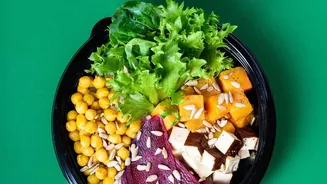
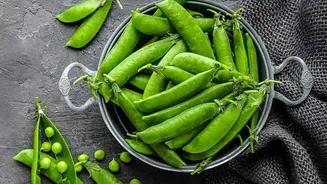
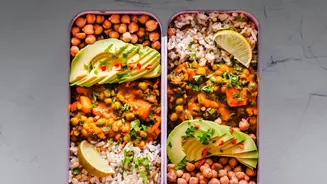
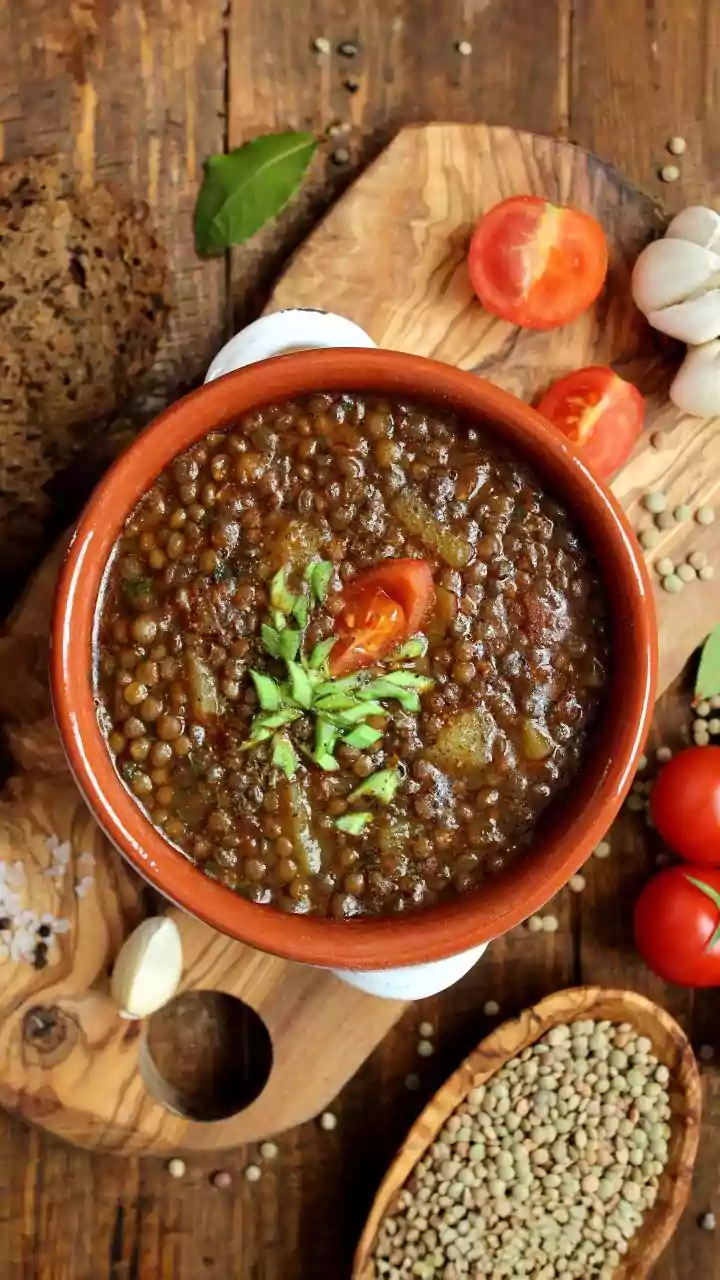
Legumes have always been central to Indian cuisine, but their application is becoming increasingly imaginative. While a comforting bowl of dal remains a staple, beans and peas are now appearing in forms that challenge tradition. Think of protein-rich salads made with sprouted mung beans, savoury pancakes (cheela) made from gram flour (besan), and hearty patties for plant-based burgers. Chickpeas are mashed into creamy, Indian-spiced hummus, and black-eyed peas (lobia) are used in flavourful dips and bowls. This trend showcases the adaptability of these humble ingredients, proving they can be used for much more than just curries, providing both robust flavour and essential nutrients like fibre and iron.
Whole Grains as a Protein Partner
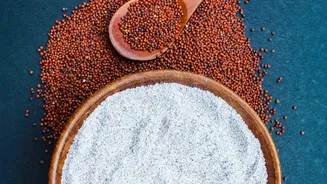
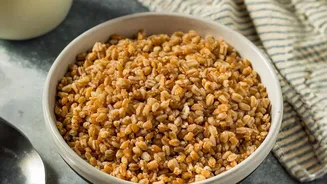
The focus on plant protein has also brought renewed attention to the nutritional power of whole grains. While often considered a source of carbohydrates, grains like quinoa, millets, and even whole wheat contribute significantly to the overall protein content of a meal. The real magic happens when they are combined with legumes. This combination creates a 'complete protein', providing all the essential amino acids the body needs. This is a concept long practiced intuitively in Indian food with pairings like dal and rice. Modern interpretations include quinoa upma, millet-based khichdi, and sandwiches made with sprouted grain bread, all of which enhance the protein profile of the meal while adding diverse textures and nutrients.
A Boost for Health and Flavour
This growing flexibility in plant-based proteins is more than just a culinary trend; it's a significant step towards a healthier, more balanced diet. Diversifying protein sources ensures a broader range of nutrients, including essential vitamins, minerals, and fibre, which supports everything from digestion to heart health. From a cooking perspective, this new approach opens up a world of possibilities. Tofu's ability to soak up marinades, the creamy texture of blended beans, and the nutty bite of whole grains add layers of complexity to meals. This shift encourages a more mindful and creative approach to eating, where healthy food is also incredibly flavourful and satisfying.