







Your Pre-Monsoon Vehicle Checklist
Before you even think about playlists and snacks, your car’s health is priority number one. The Indian monsoon is notoriously tough on vehicles. First, check your tyres. On wet roads, grip is everything. Ensure your tyre tread depth is at least 3mm; anything
less significantly increases the risk of skidding on waterlogged roads. Next, inspect your wiper blades. The summer heat often hardens the rubber, causing them to streak or squeak instead of providing a clear view. If they leave smears, replace them. Don't forget to top up your windshield washer fluid. Brakes are also critical. Wet roads can increase braking distances. A mechanic can check your brake pads and fluid to ensure they're in top condition. Finally, walk around your car and test every single light: headlights (low and high beam), tail lights, brake lights, and indicators. In a downpour, being visible to others is just as important as seeing the road ahead.
The Ultimate Monsoon Driving Kit
A standard first-aid kit is a good start, but monsoon drives require a few extra essentials. Pack a sturdy tow rope, jumper cables, and a reliable torch with extra batteries. Given the potential for massive traffic jams due to waterlogging, it's wise to carry extra snacks and drinking water. A power bank for your mobile phone is a modern-day essential for navigation and communication. Pack a large, waterproof sheet or a few old newspapers to place on the car floor, saving your carpets from muddy shoes. A good quality, compact umbrella and a lightweight waterproof jacket are also must-haves for those inevitable roadside stops. For your electronics and important documents, use sealable ziplock bags for an extra layer of protection against moisture. An anti-fog spray or wipe for the interior of your windscreen can also be a lifesaver, preventing the glass from fogging up due to humidity.
Smart Route Planning and Timing
Not all scenic routes are safe during heavy rains. Before you set off, check the latest weather forecasts and road conditions, especially if you are heading towards hilly areas like Coorg, Chikmagalur, or Ooty, which can be prone to landslides. Use real-time traffic apps to be aware of waterlogged streets and congestion within Bengaluru and on the highways. Planning to drive during daylight hours is highly recommended, as visibility drops significantly after dark, making it harder to spot potholes and other hazards. If you encounter extremely heavy rain, it’s often safer to pull over at a safe spot, like a restaurant or petrol pump, and wait for the intensity to reduce rather than pushing through with poor visibility. Avoid parking under trees, which can shed branches in strong winds.
Safe On-Road Driving Techniques
Driving in the rain demands a more conservative driving style. The first rule is to slow down. Wet roads are slippery, and your car will take longer to stop. Maintain at least double the usual distance from the vehicle in front of you. One of the biggest dangers is aquaplaning, where your tyres lose contact with the road and skim over a layer of water. If you feel the steering become light, don't brake or turn suddenly. Ease off the accelerator until you feel the tyres regain grip. Avoid driving through large puddles of water if you can. You never know how deep they are or what potholes they might be hiding. If you must cross a waterlogged patch, do so slowly and in a low gear. Once you are through, tap your brakes lightly a few times to dry them out. Finally, always drive with your low-beam headlights on, even during the day, to improve your visibility to other drivers.
Monsoon-Ready Getaways from Bengaluru
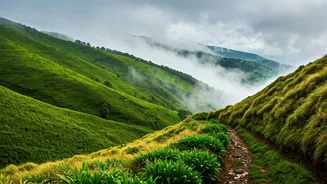
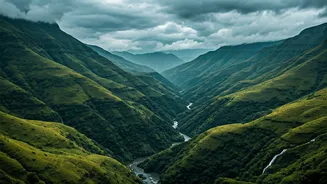
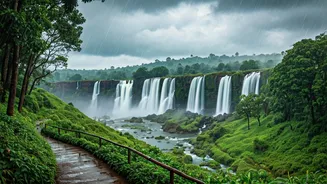
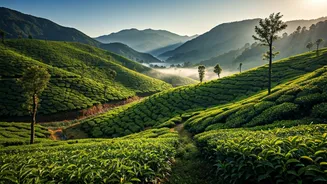
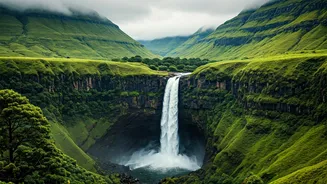
With the right preparation, several stunning destinations become accessible. Coorg, often called the Scotland of India, is magical in the monsoon, with its mist-covered coffee plantations and waterfalls like Abbey Falls in full flow. The drive itself, through winding roads, is a fantastic experience. Chikmagalur is another excellent choice, offering treks to peaks like Mullayanagiri and the beauty of lush landscapes and cascading falls such as Jhari and Hebbe. For those who love waterfalls, a trip to Shivanasamudra Falls is a must, as the Cauvery river splits into two spectacular cascades. Wayanad in Kerala, with its dense rainforests, ancient caves, and roaring waterfalls, is another fantastic option for a longer drive. Always check local advisories before travelling to these destinations, as access to certain viewpoints or trekking routes may be restricted during heavy rainfall.