








The Rebellion Against 'Use and Throw'
For decades, we lived in a world of planned obsolescence—a reality where products were designed to fail. From smartphones with glued-in batteries to fast-furniture with particle-board frames that warp in humidity, the 'take-make-dispose' model dominated.
This approach not only drained our wallets but also created mountains of waste, contributing to an environmental crisis. Consumers and regulators are now pushing back, tired of products that can't be fixed. This growing dissatisfaction is fuelling a powerful counter-trend: designing products that are meant to last, to be taken apart, and to be given a second life.
Designing for a Longer Life
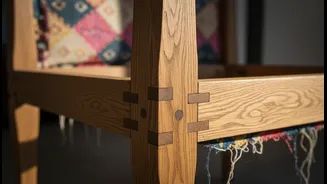
At the heart of this shift is 'Design for Disassembly' (DfD). Think of it like high-end Lego. Instead of being glued into a single, unfixable block, products are created with distinct, modular parts. If a component in your headphones breaks, you can simply order that specific part and replace it. If your sofa's fabric wears out, its frame is designed to be easily reupholstered. This modularity is a game-changer. It transforms products from static objects into evolving platforms that can be upgraded, repaired, and personalized over time, extending their lifespan significantly. This approach is becoming a key trend in industrial design, with repair-friendly construction moving from a niche interest to a standard expectation.
The Right-to-Repair Revolution
This design trend isn't just happening in a vacuum; it's backed by a growing global movement. The 'Right to Repair' campaign is pushing governments to enact laws that force manufacturers to make spare parts, tools, and repair manuals available to consumers and independent shops. In India, the government has recognized the need for repairability, particularly in the electronics sector, to combat e-waste and empower consumers. A framework for a 'Repairability Index' for mobile and electronic goods has been proposed, which would score products on how easy they are to fix. This legal and social pressure is making it harder for companies to design disposable products, giving consumers more power and choice.
The Comeback of Craftsmanship
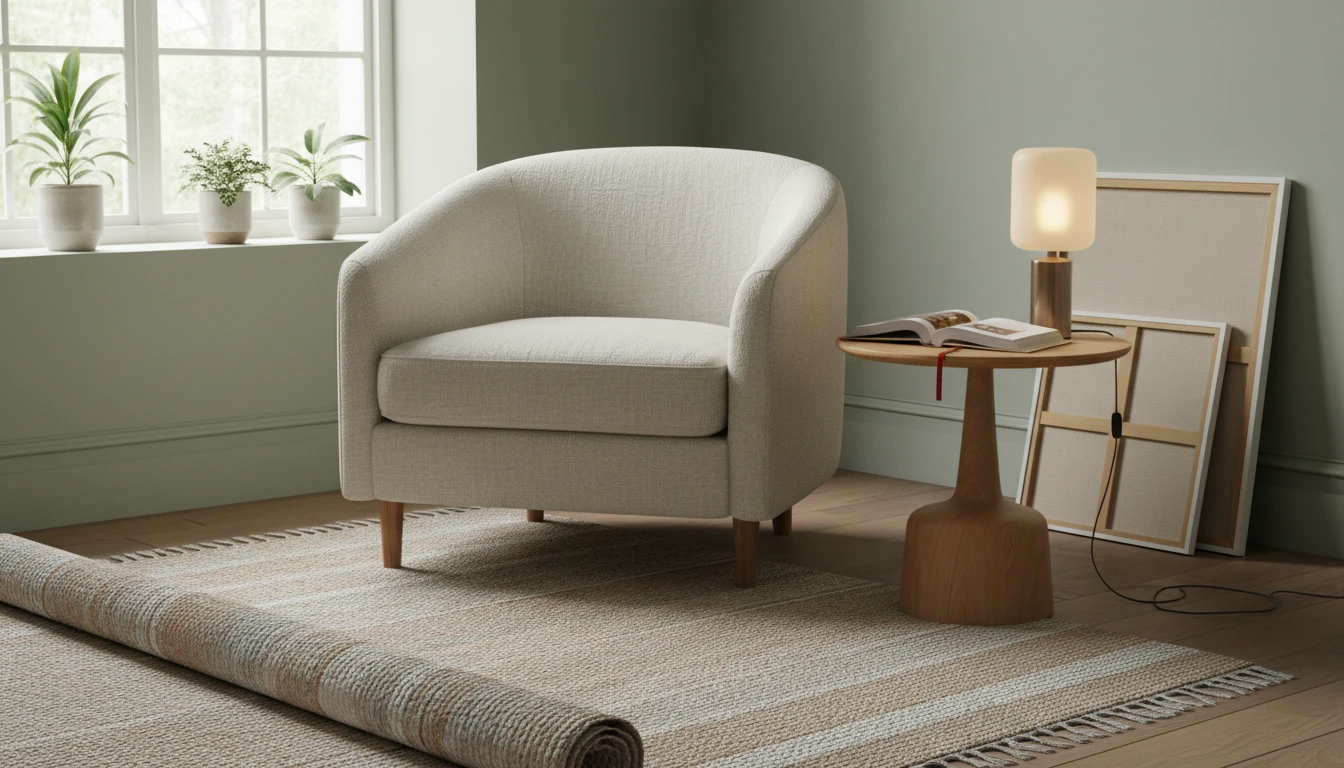
This movement is also reviving traditional crafts, especially in furniture. Reupholstery, once seen as a dusty trade for antiques, is making a major comeback. The Indian upholstery market, valued at over USD 4 billion in 2025, is projected to grow significantly as more people opt to refresh their existing furniture rather than replace it. However, experts advise that reupholstery is only worthwhile if the sofa's frame is made of solid wood, as cheaper materials like particle board often can't withstand the process. This is driving a renewed appreciation for quality construction, where well-made frames are seen as a long-term investment worth preserving. There's a growing desire for furniture that develops character over time instead of simply wearing out.
A New Era of Conscious Consumption
This trend signals a profound shift in our relationship with the things we own. It moves us away from being passive consumers and toward becoming active owners who participate in the lifecycle of our products. For the Indian market, this resonates with a long-standing culture of resourcefulness and valuing longevity. While India is still in the early stages of adopting a full 'circular economy' for furniture, the mindset is changing. Companies are emerging that build circular principles into their model, such as using recycled plastics to create durable furniture. When you next shop for a phone, a speaker, or a sofa, look beyond the initial price tag. Ask if it can be opened, if parts are available, and if the frame is built to last. Choosing repairable products isn't just a smart financial decision; it's a vote for a more sustainable and intentional way of living.