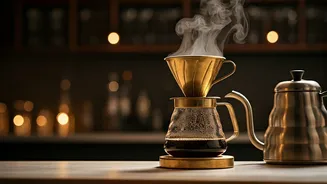




The Unstoppable Coffee Juggernaut
India is in the midst of a full-blown coffee renaissance. What was once a nation primarily of chai drinkers, with filter kaapi holding sway in the south, has now embraced coffee culture with fervour. The Indian coffee market is growing at an impressive
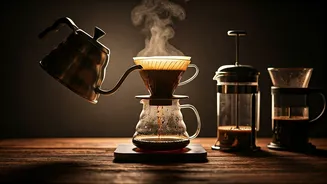
rate of around 10% year-on-year, far outpacing the global average. [6, 18] This isn't just about instant coffee anymore. The 'third wave' coffee movement, emphasizing high-quality, single-origin beans and artisanal brewing methods, has taken root. [21] Chains like Blue Tokai, Third Wave Coffee, and Subko have become cultural hubs in metropolitan cities, transforming from simple cafes into co-working spaces, social statements, and destinations for a new generation. [23, 24] They've educated a whole new demographic of consumers about everything from roast profiles to brewing techniques, making a cup of coffee an aspirational experience. [24] This boom is driven by rising disposable incomes, global exposure, and a desire among millennials and Gen Z for premium experiences. [23]
Matcha's Green Ascent
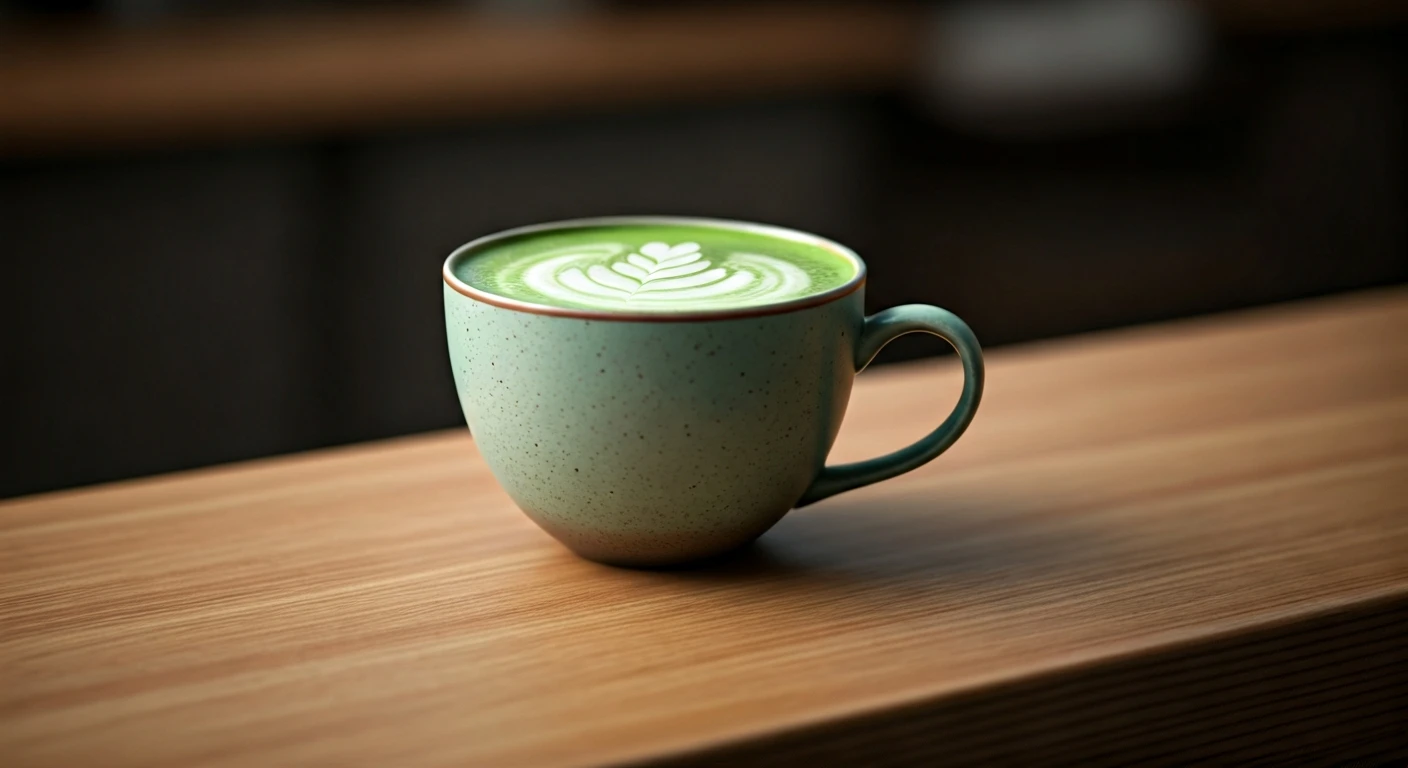
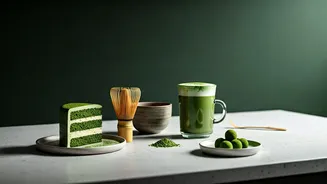
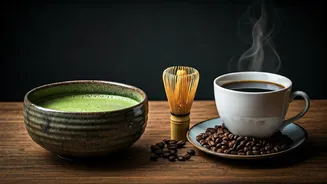
While coffee was busy conquering the mainstream, matcha quietly entered the scene as a chic, wellness-centric alternative. Initially a niche product found in yoga studios and health food stores, matcha has seen explosive growth. [9] The Indian matcha market was valued at around USD 41.9 million in 2024 and is projected to grow at a compound annual growth rate (CAGR) of 8.6% to 9.8%. [10, 14] This growth is nearly double that of the broader tea market, driven by health-conscious urbanites. [26] Matcha's appeal lies in its powerful health narrative; it's packed with antioxidants—significantly more than regular green tea and coffee—and an amino acid called L-theanine. [3, 13] This combination is said to provide a state of 'calm alertness', delivering an energy boost without the jitters and subsequent crash often associated with coffee. [5, 8] It has become a status symbol for a different tribe: the wellness enthusiasts, the mindfulness seekers, and those looking for an Instagram-worthy, vibrant green latte.
Culture and Cost: A Tale of Two Cups
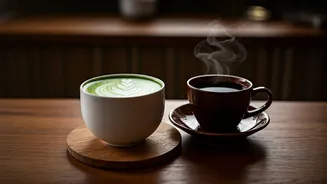
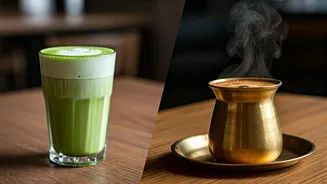
The social lives of these two beverages are distinctly different. Coffee shops have become the definitive 'third place' in India—a space between home and work for meetings, dates, and solo work sessions. [6] The culture is social, energetic, and built around productivity and connection. Matcha, on the other hand, is often positioned as a more mindful, personal ritual. While it's a staple in trendy cafes, its roots are in wellness and it's gaining significant traction for home preparation. The economics also tell a story. A specialty coffee at a top-tier cafe can cost between ₹250 and ₹400. A matcha latte occupies a similar premium price point, often ranging from ₹250 to ₹450. [26] This pricing positions both as affordable luxuries for India's urban middle class. However, the high cost of quality matcha powder means at-home preparation, while cheaper than a cafe, is still a considered purchase, with genuine ceremonial grade matcha costing over ₹1,200 for 30 grams. [26]
The Health Halo: Jitters vs. Zen
For many, the choice between coffee and matcha comes down to how it makes them feel. Coffee is the undisputed champion of the quick energy kick. Its caffeine is absorbed rapidly, leading to a sharp spike in alertness—but for some, this comes with anxiety, jitters, and an inevitable energy crash. [5] Matcha offers a different proposition. Though it contains less caffeine per cup than coffee (around 70mg vs. 100-140mg), the presence of L-theanine slows its absorption, leading to a smoother, more sustained release of energy over several hours. [15] This is the 'calm focus' that proponents rave about. [32] Furthermore, matcha is lauded for its high concentration of EGCG, a powerful antioxidant, and its benefits for oral hygiene, as it doesn't stain teeth like coffee and can help fight plaque. [8, 15] This positions matcha not just as a beverage, but as a functional food, a key trend shaping India's food and beverage market in 2026. [12, 17]
The Verdict: Is There Room for Both?
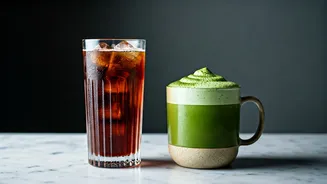
The question was never really about one drink replacing the other. Coffee's revival is a massive, mainstream cultural shift that is reshaping social habits across urban India. [18] Its market size and cultural entrenchment are on a completely different scale. The Indian coffee market is valued in the billions of dollars, while the matcha market is in the millions. [10, 22] Matcha's rise is more indicative of another major trend: the boom in functional and wellness-oriented products. [7] It caters to a specific, albeit rapidly growing, segment of the population that prioritizes health benefits and mindful consumption. Major coffee chains like Starbucks and Blue Tokai have already added matcha to their menus, recognizing it not as a threat, but as a complementary offering that caters to a different mood and need. [14] This suggests the two are not mutually exclusive competitors but co-exist in an increasingly sophisticated and diverse Indian beverage market.