







The End of the Awkward Table
For years, the solo diner was an anomaly—often seated reluctantly at a poorly placed table, feeling the need to justify their solitude with a book or a phone. That social stigma, however, is rapidly fading. The modern NCR professional, the independent
creative, and the discerning foodie are increasingly choosing to dine alone. This isn't about a lack of company; it's about a surplus of self-assurance. It is a conscious decision to savour a meal without the distraction of conversation, to people-watch, or simply to enjoy a moment of quiet contemplation in a busy world. This shift is driven by changing lifestyles—more people working flexible hours, living independently, and embracing individualism. As a result, dining out is becoming less of a purely social event and more of a personal experience.
Rethinking Restaurant Real Estate
Astute restaurateurs are taking notice and redesigning their spaces to reflect this new reality. The most significant change is the move away from layouts that only accommodate couples and groups. Sleek, comfortable bar seating is no longer just for drinkers; it’s now a prime spot for individuals to enjoy a full meal. We're also seeing the rise of communal tables, which offer a subtle sense of shared experience without the pressure of direct interaction. These large tables allow solo diners to feel part of a lively atmosphere without feeling isolated. Even the classic two-top table is being placed more thoughtfully, situated in locations with good views or in cosy nooks that feel intentional, not like a forgotten corner. The goal is to make the solo diner feel not just accommodated, but genuinely welcome.
Curating the Solo Experience
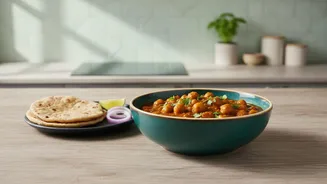
The consideration extends beyond just furniture. Service and menus are also evolving. Staff are being trained to treat solo diners with the same level of attention and respect as a large group, understanding when to be engaging and when to provide space. The 'pitying' glance is being replaced by professional courtesy. On the menu, a subtle shift is occurring. Restaurants are offering more small plates, tasting menus, and flexible portion sizes that allow an individual to sample a variety of dishes without over-ordering. Some establishments are creating special lunch combos or 'thalis' for one, providing a complete, balanced meal that is both convenient and satisfying. It’s a culinary acknowledgment that a meal for one can and should be just as celebratory as a feast for ten.
The Business of Going Solo
This trend isn't purely altruistic; it makes excellent business sense. Solo diners represent a significant and growing market segment. In a competitive industry, turning away or poorly serving an individual is a missed opportunity. A happy solo customer is a repeat customer. Furthermore, individuals can often be seated more quickly, filling awkward gaps during busy service hours—a single seat at the bar, a small unclaimed table—thereby improving a restaurant's overall efficiency and turnover. By creating a welcoming environment, restaurants are not just gaining a single customer; they are tapping into a loyal demographic that values good food and a comfortable atmosphere, whether they are with friends or by themselves. This makes catering to the solo diner a smart strategy for long-term success.