







A Subdued Beginning
After a period of intense summer heat, the arrival of monsoon clouds over Udaipur is a celebrated annual event. This year, however, the grand entrance has been more of a quiet whisper. While some pre-monsoon showers in early and mid-June brought initial
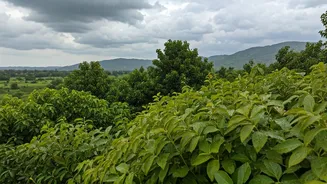
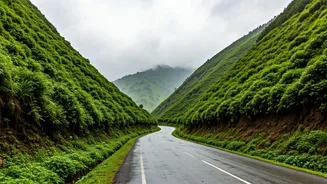
relief and even led to reports of excess rainfall in parts of Rajasthan, the official onset of the southwest monsoon in the region has been noticeably mild. The dramatic, continuous rains that typically mark the end of June and the beginning of July have been replaced by scattered showers and humid, overcast days. This has created a sense of anticipation mixed with anxiety across the city, as the performance of the monsoon in its initial weeks is often seen as a bellwether for the season ahead.
The Bigger Picture
Udaipur's experience is not an isolated event; it reflects a nationwide trend. The India Meteorological Department (IMD) reported that the country as a whole faced a significant rainfall deficit of about 40% for the month of June. Central India was the most affected region, recording a 50% shortfall from its normal rainfall. This sluggish start has been attributed to a delayed advance of the monsoon coupled with the absence of strong, rain-bearing low-pressure systems over the Bay of Bengal for much of the month. Experts are also closely monitoring the development of El Niño conditions in the Pacific Ocean, a climatic pattern known for its potential to weaken monsoon circulation over India.
Ripples Through the City of Lakes
For Udaipur, a city whose very identity and survival are tied to its intricate system of lakes, a weak monsoon is a serious concern. The city's water supply, thriving tourism industry, and the livelihoods of farmers in the surrounding Mewar region are all heavily dependent on seasonal rains replenishing Lake Pichola, Fateh Sagar, and the network of interconnected water bodies. The lakes, which often shrink during the preceding scorching summer, rely on a robust monsoon to return to their picturesque, full capacity. A softer start means water levels remain a key point of discussion among residents and officials, with many anxiously tracking daily measurements and hoping for more significant rainfall to secure the city's water supply for the coming year.
Farmers on Watch
Beyond the city's historic ghats and palaces, the agricultural community is watching the skies with equal, if not greater, concern. The broader region of Rajasthan is part of India's rain-fed agricultural belt, where the timing and intensity of the monsoon dictate the success of the crucial Kharif sowing season. A delayed or weak monsoon can disrupt planting schedules for major crops like maize and soybean, affecting yields and rural incomes. The central government has already identified hundreds of districts across the country, including many in Rajasthan, as potentially vulnerable to the effects of a weak monsoon, advising states to prepare contingency plans and promote drought-resistant crop varieties.
A Change on the Horizon?
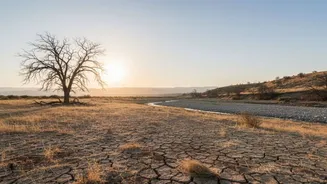
Just as concern begins to mount, there may be reason for optimism. The latest forecasts from the IMD suggest that the current quiet spell might be coming to an end. Meteorologists predict that rainfall activity is set to intensify over southeastern Rajasthan, specifically mentioning the Udaipur and Kota divisions, from July 2nd onwards. This suggests that the necessary atmospheric conditions are falling into place to bring more widespread and heavier showers to the region. For the people of the Lake City, it’s a sign that the true, revitalising force of the monsoon might just be getting started, promising to finally quench the thirst of the parched landscape and fill the city's iconic lakes.