


The Reign of the Over-Styled Shelf
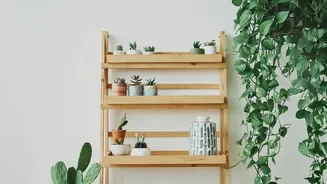
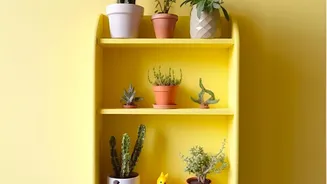
For the better part of a decade, the 'shelfie' has dominated interior design. Born from social media, it's the art of arranging a dense collection of small objects on a shelf to create a visually busy, yet perfectly composed, photo. This trend, an offshoot
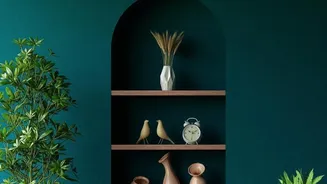
of maximalism sometimes called 'cluttercore', celebrated the idea of displaying all your beloved knick-knacks, heirlooms, and impulse buys at once. The goal was a curated chaos, a vibrant tapestry of personal items that told a story of a life filled with interesting things. Walls were filled with gallery-style art, and every surface became an opportunity for a vignette. In many ways, it was a rebellion against the cold, impersonal minimalism that preceded it, a way to inject personality and warmth into our spaces.
The Great Unstacking
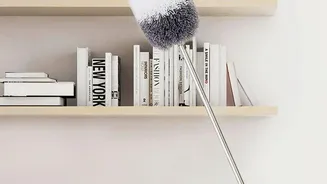
Like all trends, the pendulum is swinging back. Homeowners and designers are beginning to feel the fatigue of constant curation. The very thing that made the over-styled shelf appealing—its density—is now often perceived as visual noise. A room filled with too many small objects can feel chaotic and cramped, requiring constant dusting and tidying to stop it from looking like a mess. There's also a growing awareness of the consumerism it promotes; a perfectly styled shelf often required buying more and more things to fill every last gap. The backlash isn't about shunning personality but questioning if our homes should feel like museum exhibits that need perpetual management. The desire for a calmer, more serene living environment has taken root, especially as our homes continue to serve as offices, gyms, and sanctuaries.
The Rise of the Statement Piece
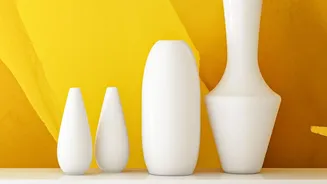
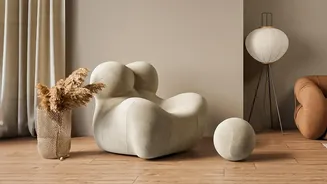
The antidote to the over-styled shelf is simple: fewer, but larger, objects. Instead of a dozen small vases, imagine one large, sculptural vessel. Instead of a gallery wall of tiny frames, picture a single, oversized piece of art. This approach is about making an impact through scale and intention. A statement piece has the power to anchor a room, create a clear focal point, and define its character without overwhelming it. It draws the eye and gives it a place to rest, creating a sense of order and calm. This shift allows each object to have its own breathing room, letting its shape, texture, and colour truly shine. It's a move toward what some designers call 'warm minimalism'—a space that is intentional and uncluttered but still feels personal and inviting through the use of natural materials and meaningful objects.
How to Embrace the New Calm
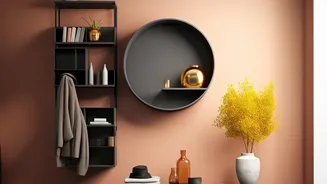
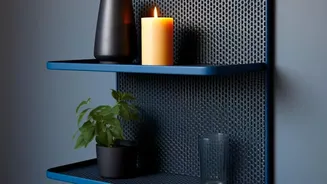
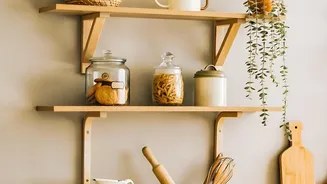
Making the switch doesn't require a complete overhaul. Start with one area, like a prominent bookshelf or console table. First, take everything off the shelves to start with a blank slate. Then, instead of putting it all back, select only a few of your most meaningful or visually impactful items. Think about creating balance with objects of varying heights and shapes. A good rule of thumb is to work in odd numbers, like groups of three or five, which feels more natural to the eye. Anchor the arrangement with a larger item—perhaps a tall lamp, a substantial piece of pottery, or a stack of large coffee table books. Most importantly, embrace the empty space. Negative space is a design element in itself, giving your chosen pieces importance and creating a less cluttered, more sophisticated feel.