




The Age-Old Monsoon Warning
For generations in India, the joy of the monsoon has been tempered by a healthy dose of caution, especially concerning food. Grandmothers and doctors alike have long advised against eating out during the rainy season. This isn't just a traditional belief;
it's grounded in solid science. The high humidity and moisture in the air create a perfect breeding ground for bacteria like E. coli and Salmonella, causing food to spoil much faster. Water sources are more likely to get contaminated, which poses a significant risk for street food, where water for chutneys and cooking might not be properly filtered or boiled. This environment leads to a spike in gastrointestinal infections, diarrhoea, and other waterborne diseases during these months.
Ayurveda’s Answer to Rainy Days
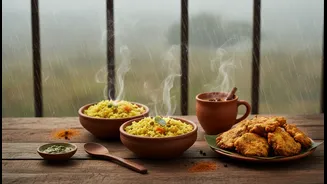
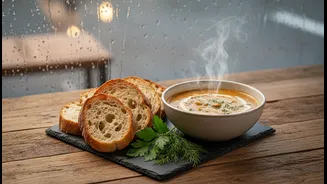
Ancient wisdom, particularly from Ayurveda, offers a framework for navigating this tricky season. According to Ayurvedic principles, the monsoon or 'Varsha Ritu' is a time when our digestive fire, or 'Agni', is naturally weaker. This makes us more susceptible to indigestion and illness. The advice is to favour foods that are light, warm, and easy to digest. Think freshly cooked meals over raw salads, which can carry contaminants. The focus shifts to ingredients that boost immunity and aid digestion, such as ginger, turmeric, black pepper, and garlic. Traditional monsoon diets often feature dishes like khichdi—a simple, nourishing mix of rice and lentils—and warm soups, which comfort the body without taxing the digestive system.
From Pakora to Gourmet: The Kitchen Evolution
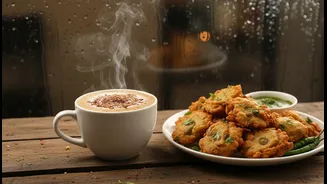
This combination of real health risks and traditional wisdom meant that for a long time, home was the safest place to eat during the rains. The quintessential monsoon snack became the homemade pakora or bhajiya—hot, fried, and made with trusted ingredients. It was a delicious solution to a seasonal problem. Fast forward to today, and that basic principle remains, but our kitchens have evolved. The story is no longer just about avoiding risk; it's about elevating the experience. We aren't just making simple onion pakoras anymore. Inspired by the cafe culture that has swept across the country, home cooks are now recreating gourmet experiences. The focus has shifted from mere safety to culinary creativity and comfort.
Creating Your Own Monsoon Cafe
The modern Indian kitchen during monsoon is a vibrant cafe. Instead of plain fried snacks, people are experimenting with baked samosas, stuffed bread pakoras, and air-fried vegetable cutlets. The humble bhutta (corn on the cob) is getting a makeover with peri-peri seasoning and cheese. It’s about taking a traditional idea and giving it a contemporary, often healthier, twist. Think loaded cheese corn toasts instead of plain toast, or a rich, spiced hot chocolate instead of a simple tea. These cafe-style recipes offer the best of both worlds: the comforting nostalgia of a rainy-day snack combined with a touch of modern indulgence, all from the safety and comfort of your own home. It’s the ultimate expression of utility—turning a necessary precaution into a delightful culinary activity.