

Trust Your Senses First
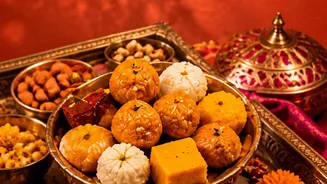
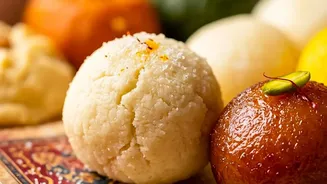
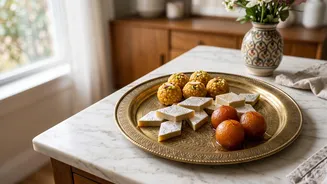
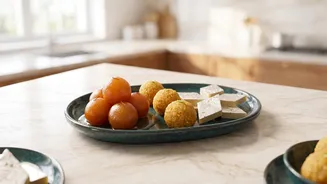
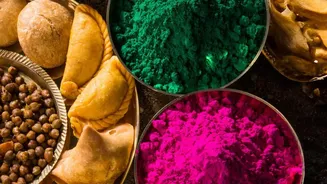
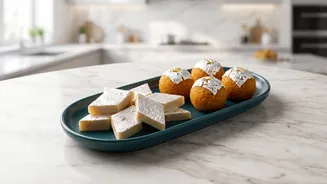
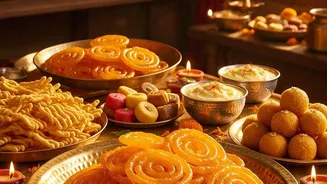
Before you even buy, your senses of sight, smell, and touch are your first line of defence. Fresh sweets should have a natural, appealing look, not an overly vibrant, artificial colour, which could indicate the use of non-permitted chemical dyes. Give
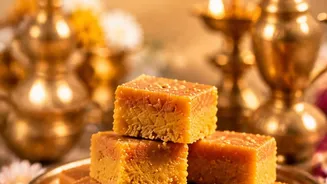
the sweet a gentle sniff. It should have a pleasant, rich aroma of milk, ghee, and nuts. Any sour, stale, or chemical-like smell is a major red flag. If you can, press a small piece. A fresh milk-based sweet like a peda or barfi will be soft and yield slightly. If it feels hard, dry, or rubbery, it’s likely old or contains fillers like starch. Pure khoya should feel slightly grainy and leave a greasy residue on your palm, not a dry or pasty one.
The Khoya and Milk Adulteration Problem
Khoya, or mawa, is the foundation of many traditional sweets, making it a prime target for adulteration, especially during high-demand festival periods. Unscrupulous sellers often mix it with cheaper materials like starch, flour, or even blotting paper to increase its weight and volume. Some even add substances like urea or detergent to mimic the richness and white colour of pure milk products. These adulterants not only cheat you financially but can also cause digestive distress and other health issues. A simple way to test for starch is to dissolve a small piece of the sweet in hot water, let it cool, and then add a few drops of iodine solution. If the mixture turns blue, it confirms the presence of starch.
Beware of Substandard and Reused Oils
The flavour and texture of a great sweet often come from high-quality fat, traditionally pure ghee. To cut costs, some makers substitute ghee with vanaspati (hydrogenated vegetable oil), palm oil, or other cheap, low-grade oils. Worse still is the practice of repeatedly using the same batch of oil for frying, which causes it to break down and form harmful free radicals. Consuming sweets made with these fats can lead to increased bad cholesterol, digestive problems, and long-term cardiovascular risks. You can spot pure ghee by heating a spoonful; it should melt quickly and turn a dark brown. Adulterated fat melts slower and turns a light yellow. Also, pure ghee will melt instantly on your palm from your body heat, while hydrogenated fats will not.
Is That 'Vark' Real Silver?
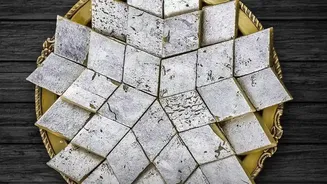
The shimmering silver leaf, or 'vark', that decorates many festive sweets is meant to be pure, edible silver. However, it is often replaced with hazardous aluminium foil, which can be toxic if ingested. There's an easy test you can do: gently rub the vark on the sweet with your finger. Real silver leaf is incredibly delicate and will disintegrate and disappear into your skin. Fake aluminium foil, on the other hand, will not break apart easily and will instead roll up into a tiny, greasy ball. Real silver vark has a soft, natural sheen, while aluminium often looks excessively shiny. Given the high rate of adulteration, it's often safest to choose sweets without this decoration.
Smart Buying Strategies for Safe Sweets
Being a savvy consumer is your best tool. Always buy from reputable, well-known sweet shops that maintain high standards of hygiene. Check for the FSSAI license number, which should be displayed prominently in the shop or on packaged goods. This certifies that the vendor is adhering to government-mandated safety and quality guidelines. For pre-packaged sweets, always check the manufacturing and expiry dates. The Food Safety and Standards Authority of India (FSSAI) has directed sellers to display these dates even for loose sweets. During the festive season, FSSAI also increases its surveillance and on-the-spot testing in busy markets, but your personal vigilance remains crucial. If a deal seems too good to be true, it probably is. Extremely low prices can be an indicator of poor-quality ingredients.