


An Unlikely, Delicious Alliance
For generations of Indians, the arrival of Dasheri mangoes from the orchards of Malihabad has been a sacred summer ritual. The experience is deeply sensory—the unique fragrance, the fiberless, sun-yellow flesh, and the sweet, nectar-like taste are embedded
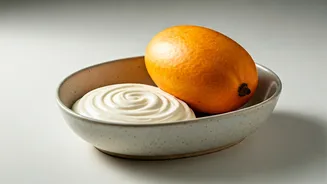
in our collective memory. It’s the stuff of family gatherings and childhood nostalgia. On the other hand, oat milk is a distinctly 21st-century phenomenon. A creamy, plant-based alternative that arrived in our cafes via global wellness trends, it quickly became the darling of a new generation. On the surface, these two ingredients couldn't be more different: one is a symbol of timeless Indian heritage, the other a marker of modern, globalized urban life. Their meeting in a blender isn't just a random food experiment; it’s a statement.
The Health and Wellness Factor
The most straightforward reason for this trend is health. Gen Z is arguably the most health-conscious generation yet, with a keen awareness of what they put into their bodies. While the traditional mango lassi, made with curd, is a beloved classic, it comes with dairy. For a generation increasingly identifying with lactose sensitivity or choosing a vegan lifestyle, oat milk is the perfect substitute. It provides the creaminess required to complement the mango's richness without the digestive downsides or ethical concerns associated with dairy. Brands have been quick to market oat milk as a healthier, lighter alternative, fortified with vitamins and lower in saturated fat. When you combine this with the undisputed nutritional benefits of mangoes, you get a beverage that feels both indulgent and virtuous—a core tenet of modern wellness culture.
A Sip of Sustainability
Beyond personal health, the choice reflects a broader concern for the planet's well-being. The conversation around climate change and environmental impact is not abstract for young Indians; it’s a lived reality. The production of oat milk is widely perceived—and marketed—as being significantly more sustainable than dairy, requiring less water, less land, and producing fewer greenhouse gas emissions. For many in Gen Z, every consumer choice is an opportunity to express their values. Opting for a Dasheri and oat milk smoothie over a traditional lassi or milkshake becomes a small, daily act of environmental consciousness. It’s a way of enjoying a taste of home while aligning with a global movement towards more sustainable consumption. This blend is not just food; it’s a quiet form of activism.
Crafted for the ‘Gram
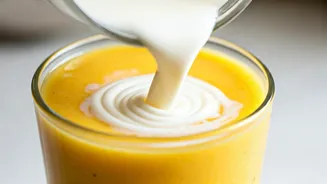
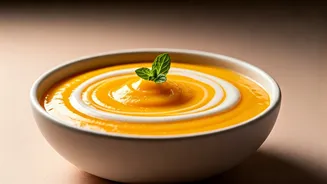
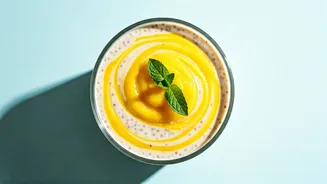
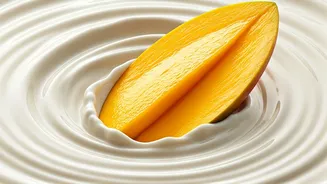
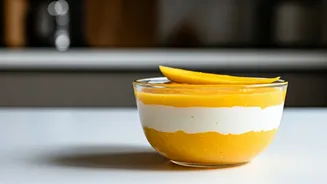
We cannot ignore the power of aesthetics. In the age of social media, we eat with our eyes first. The visual appeal of this combination is undeniable. The vibrant, sunny yellow of a ripe Dasheri mango swirled into the pale, creamy canvas of oat milk makes for a photogenic, 'Instagrammable' drink. It looks clean, fresh, and modern. Food trends are no longer just spread by word-of-mouth or cookbooks; they are born and accelerated on platforms like Instagram and TikTok. A well-shot Reel of someone making a beautiful mango smoothie can inspire thousands to try it themselves. This drink fits perfectly into the curated visual world of a generation that uses food not just for sustenance, but as a key part of their online identity—one that says “I’m modern, I’m health-conscious, and I have great taste.”
Redefining, Not Rejecting, Tradition
Perhaps the most interesting aspect of this trend is that it’s not about abandoning tradition, but about reinterpreting it. Gen Z isn't cancelling the Dasheri mango; they are elevating it in a new context. By pairing it with a globally popular ingredient like oat milk, they are making it relevant to their own lives and values. This is a generation navigating a dual identity—proudly Indian but also citizens of the world. They listen to global music but have a playlist for Bollywood classics. They wear international brands alongside homegrown labels. The Dasheri-oat milk combination is the culinary equivalent of this hybrid identity. It’s a way of saying, “We cherish the same mangoes our grandparents did, but we will enjoy them on our own terms.” It’s a new tradition being forged in real-time, one delicious, creamy sip at a time.