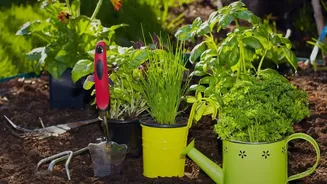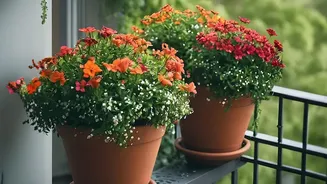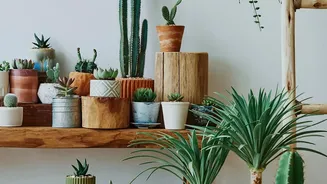



As winter settles in, the chill from tile and marble floors can be a silent threat to your beloved apartment plants. Protecting their roots is key, and it starts with one simple strategy: lifting them up. Here is how to choose the right pot.
The Chilling Truth About Cold Floors
In many Indian
homes, beautiful tile, marble, or stone flooring is a blessing in the summer heat. In winter, however, these same floors become heat sinks, drawing warmth out of everything they touch—including your plant pots. When a pot sits directly on a cold floor, the chill transfers to the soil, shocking the plant's root system. This 'root shock' can lead to stunted growth, yellowing leaves, and an increased risk of root rot, as the cold, damp soil struggles to dry out. Tropical houseplants, which make up the majority of our indoor gardens, are particularly vulnerable as their roots are not adapted to withstand prolonged cold.
Material Matters: Choosing Insulating Pots
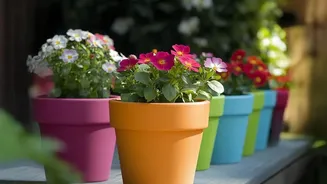
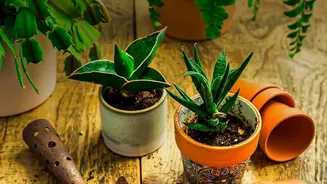
Not all pots are created equal when it comes to insulation. Standard terracotta pots are porous and get cold quickly, offering little protection. Thin plastic pots are similarly ineffective. For better thermal stability, consider materials that naturally trap air or are thicker. Fiberglass and resin pots are excellent choices as they are non-porous and resistant to temperature fluctuations. Thick ceramic pots also offer a good barrier against the cold. Wooden planters are another fantastic option, as wood is a natural insulator. When choosing, think thick and dense; the more material between the soil and the outside air, the safer your plant's roots will be.
The Power of Elevation: Stands and Risers
The most direct and effective way to combat cold floors is to create an air gap. Elevating your pots even by a few inches prevents direct contact and allows air to circulate underneath, breaking the thermal transfer. Plant stands are the most obvious and stylish solution, available in materials like wood and metal to match any decor. For a simpler approach, pot 'feet' or small risers made of cork, wood, or even repurposed bricks can lift the container just enough. Rolling plant caddies are another practical option, making it easy to move heavier pots around to catch the best winter sun.
Double Potting for Extra Protection
A clever technique used by gardeners is 'double potting' or creating a 'cachepot'. This involves placing the plant's primary pot (like a plastic nursery pot) inside a slightly larger, more decorative outer pot. The trapped layer of air between the two pots acts as a superb insulator. For an extra layer of defence in very cold climates, you can fill the gap between the two pots with insulating materials like moss, straw, newspaper, or even bubble wrap. This method not only protects the roots from cold but also helps maintain a more stable moisture level in the soil.
DIY Solutions for the Savvy Gardener
You don't need to spend a lot to protect your plants. Many effective solutions can be found right at home. A stack of old books or magazines can create a stylish, temporary pedestal. Simple wooden blocks, inverted terracotta saucers, or thick cork kitchen mats placed under a pot can provide the necessary elevation. For a more creative project, you can even repurpose items like a small stool or an inverted wire basket to serve as a plant stand. The goal is simply to break the direct contact between the cold floor and the base of your pot.
Beyond the Pot: More Winter Care Tips
While raising your pots is crucial, remember to adjust your overall care routine for the winter. With shorter days and less active growth, plants need significantly less water; always check the top two inches of soil before watering to prevent root rot. Dust the leaves with a damp cloth weekly so they can absorb the limited winter sunlight more efficiently. Grouping plants together can also help create a more humid microclimate, shielding them from the dry indoor air that often accompanies the winter season in many parts of India.