



The Power of a Focal Point
In any room, a focal point is crucial. It’s the first thing your eye is drawn to, and it helps to structure the rest of the space. In a bedroom, the natural focal point is the bed. By placing a deliberate design element behind it, you give the bed more
presence and anchor it within the room. A panel of colour-blocked wallpaper acts as an oversized, intentional headboard, creating a visual anchor that makes the entire layout feel more considered and complete. This technique is particularly effective in compact spaces, as it delivers maximum visual impact without taking up any physical footprint.
Why Colour-Blocking Works So Well
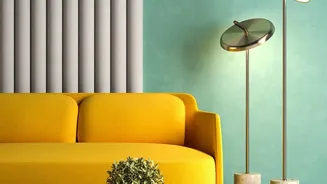
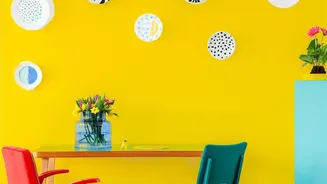
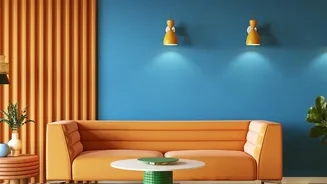
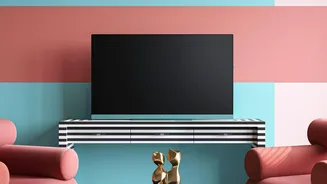
Colour-blocking is the practice of using contrasting, solid blocks of colour to create a bold statement. When applied with wallpaper behind a bed, it defines the sleeping zone from the rest of the room. This can be a simple, painted rectangle or a more creative shape like an arch or an asymmetrical design. The crisp lines and deliberate placement provide a sense of order and modernity. It’s a technique that can be adapted to any style. Bold, contrasting colours create drama and energy, while a more tonal palette using different shades of the same colour can produce a subtle, sophisticated effect.
Choosing the Right Wallpaper
The beauty of this trend lies in its versatility. You can choose a wallpaper that reflects your personal style, whether it's a bold geometric pattern, a soft botanical print, or a simple textured design. If you already have a headboard, consider how the wallpaper will complement it. A simple wooden or fabric headboard can be elevated by a more striking pattern behind it, while an ornate headboard might call for a more subtle, textured wallpaper. Don't have a headboard at all? No problem. A panel of wallpaper can act as a 'virtual' headboard, giving you the look without the expense or installation of a physical one.
A Practical Guide to Creating Your Frame
Executing this look is a manageable DIY project. First, decide on the size and shape of your colour block. A good rule of thumb is to make it slightly wider than your bed, extending about 5-10 cm on each side. The height is up to you—it could stop just above the pillows or extend all the way to the ceiling for a more dramatic effect. Use a laser level and high-quality painter's tape to mark out your shape for perfectly crisp lines. If you're using peel-and-stick wallpaper, the process is even simpler. Just measure, cut, peel, and apply. For traditional wallpaper, apply paste to the wall or paper as directed and smooth it out carefully to remove air bubbles.
Design Variations to Consider
The simplest approach is a single rectangular panel centered behind the bed. However, you can get more creative. An arch shape can soften the look and add a touch of romance. Extending the wallpaper onto the ceiling can create a canopy effect, making the bed feel like a cosy, enclosed nook. For a more dynamic feel, consider an asymmetrical block or even framing multiple panels of wallpaper as art. You can also combine this technique with painted sections. For example, you could wallpaper the bottom half of the wall behind the bed and paint the top half in a coordinating colour to create a faux-paneling effect.
Coordinating With Your Decor
To ensure a cohesive look, pull colours from your chosen wallpaper and use them in other elements of the room, such as throw pillows, bedding, or curtains. The other three walls should generally be kept in a more neutral tone, often the background colour of the wallpaper, to allow the feature wall to stand out without overwhelming the space. This balance ensures the room feels stylish and intentional, not chaotic. The result is a professionally designed look that's surprisingly easy to achieve.