




An Emerald Tapestry Unfurled
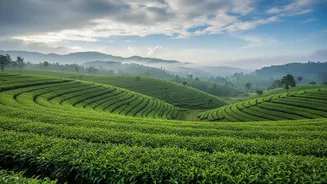
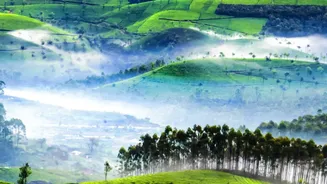
The most immediate and breathtaking change brought by the monsoon is the explosion of colour. Assam's iconic tea gardens, stretching as far as the eye can see, are revitalised by the rain. The neatly trimmed bushes take on a deeper, more lustrous shade
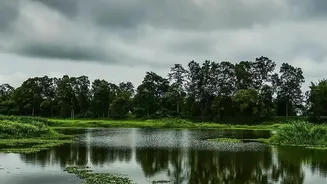
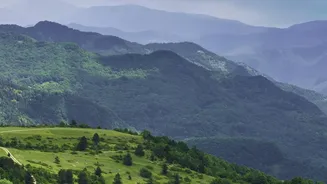
of emerald, their fresh leaves glistening with water droplets. Beyond the plantations, paddy fields turn into mirrors reflecting the dramatic, cloud-filled skies, and the state’s dense forests seem to hum with a renewed energy. The Hollong, Assam's towering state tree, stands as a centuries-old sentinel, its structure perfectly evolved to thrive in these monsoon-shaped landscapes. This is a time when the entire state is draped in a vibrant, living green, a visual feast for anyone who witnesses it.
A Sanctuary Reborn
While many of Assam’s famous national parks, like Kaziranga and Manas, close their core zones to tourists during the heavy rains due to flooding from the mighty Brahmaputra river, this is not a period of inactivity. In fact, it is the opposite. The monsoon is a vital time of rejuvenation for these ecosystems. The annual floods, though destructive, deposit nutrient-rich silt that replenishes the grasslands, crucial for the herbivores that call this region home. Wildlife instinctively moves to higher ground, following ancient migratory routes. One-horned rhinoceroses, wild elephants, and swamp deer gather in these elevated areas, while predators like tigers adapt their hunting patterns to follow their prey. This period of closure allows the parks to heal, ensuring the long-term health of one of the world's most important biodiversity hotspots.
The River's Monsoon Might
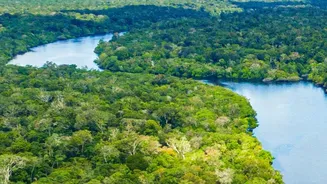
The Brahmaputra, the lifeline of Assam, transforms into a formidable force during the monsoon. Fed by snowmelt from the Himalayas and torrential rains, the river swells dramatically, often changing its course and reshaping the very land it flows through. This seasonal surge can lead to widespread flooding, a recurring challenge for the people and wildlife of the valley. Yet, this powerful display also underscores the river's role as the primary architect of the region's fertile floodplains. The high discharge carves new channels and wetlands, creating diverse habitats that support a rich aquatic life and countless species of resident and migratory birds. The monsoon reveals the Brahmaputra not just as a river, but as a dynamic, life-giving, and sometimes destructive, force of nature.
Monsoon Blooms and Hidden Delights
The rainy season coaxes forth a dazzling array of flowers. Orchids, for which Assam is famous, thrive in the humid air, their delicate blossoms adding pops of colour to the verdant landscape. The waterlogged fields and ponds become home to enchanting aquatic flowers like the water hyacinth, while the forests and hillsides are adorned with blooms like Wild Balsam and Morning Glory. Culturally, the Kadamba flower is deeply associated with the romance of the monsoon rains. This is also the season for unique local foliage, like the edible fiddlehead fern (dhekia xaak), which grows abundantly in the wet thickets and is a staple in Assamese cuisine, its story intertwined with local folklore.