


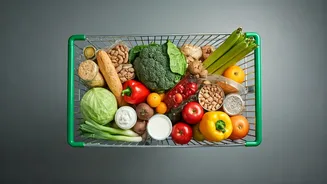



What Even Is 'Ultra-Processed'?
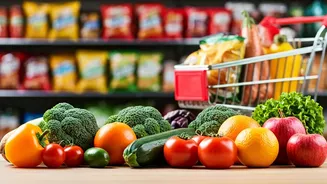
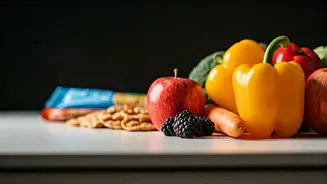
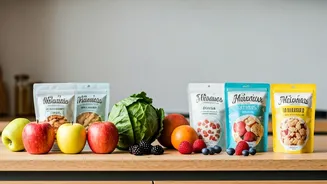
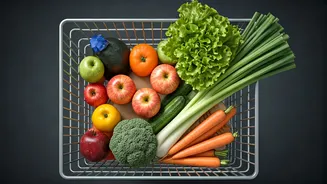
First, let's clear up the confusion. The term comes from the NOVA classification system, which groups foods by their level of industrial processing. Unprocessed foods are things like fresh fruit, vegetables, and eggs (Group 1). Processed foods include
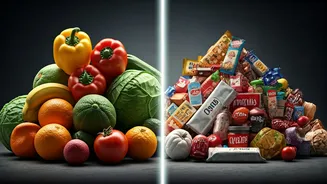
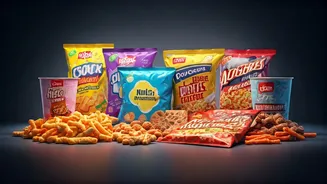
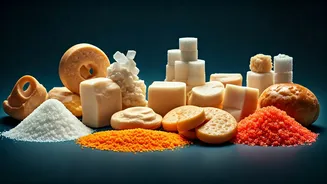
items like canned beans and cheese (Group 3). Ultra-processed foods (Group 4) are industrial formulations with five or more ingredients, often including substances you wouldn't use at home, like emulsifiers, artificial flavours, and preservatives. Think packaged biscuits, instant noodles, sugary breakfast cereals, and fizzy drinks. The key isn't just that they're changed from their natural state, but that they are industrially engineered for hyper-palatability, long shelf life, and convenience.
The Science Behind the Worry
The panic isn't coming from nowhere. A massive body of research links high consumption of UPFs to a greater risk of serious health problems. Major reviews of studies have associated diets heavy in UPFs with higher rates of obesity, type 2 diabetes, heart disease, and even cognitive decline and certain cancers. Studies suggest these foods can drive overeating; one found people consumed 500 more calories per day on a UPF diet compared to a whole-foods diet, even when nutrients were matched. The combination of high sugar, unhealthy fats, and salt, with low fibre and nutrients, is a significant concern for public health, especially as UPFs now make up a large portion of diets in many countries.
Why All-or-Nothing Is the Wrong Approach
Here's where we need calm. While the evidence against a high intake of UPFs is strong, demonising every single processed item is unrealistic and unhelpful. For many, UPFs are a matter of affordability and convenience. In India, factors like rising incomes, longer workdays, and more women in the workforce have made convenience foods a practical necessity. Furthermore, an obsessive fear of “impure” foods can lead to a condition called orthorexia, where the fixation on healthy eating becomes a source of significant anxiety and social isolation. Feeling intense guilt over eating a packaged snack or avoiding social events for fear of the food served is arguably more damaging than the occasional convenience meal.
Finding a Sensible Balance
The goal isn't purity; it's balance. Nutrition experts advise against trying to eliminate all UPFs, calling it an unrealistic goal in the modern world. Not all UPFs are created equal. Whole-grain bread, fortified plant milks, or hummus can be considered ultra-processed but still offer nutritional value. A more sustainable strategy is to focus on your overall dietary pattern. One popular guideline is the 80/20 rule: aim to have 80% of your diet consist of whole or minimally processed foods, leaving 20% for more processed items. This approach reduces the stress and guilt associated with eating, making healthy habits easier to maintain long-term.
Focus on Addition, Not Just Subtraction
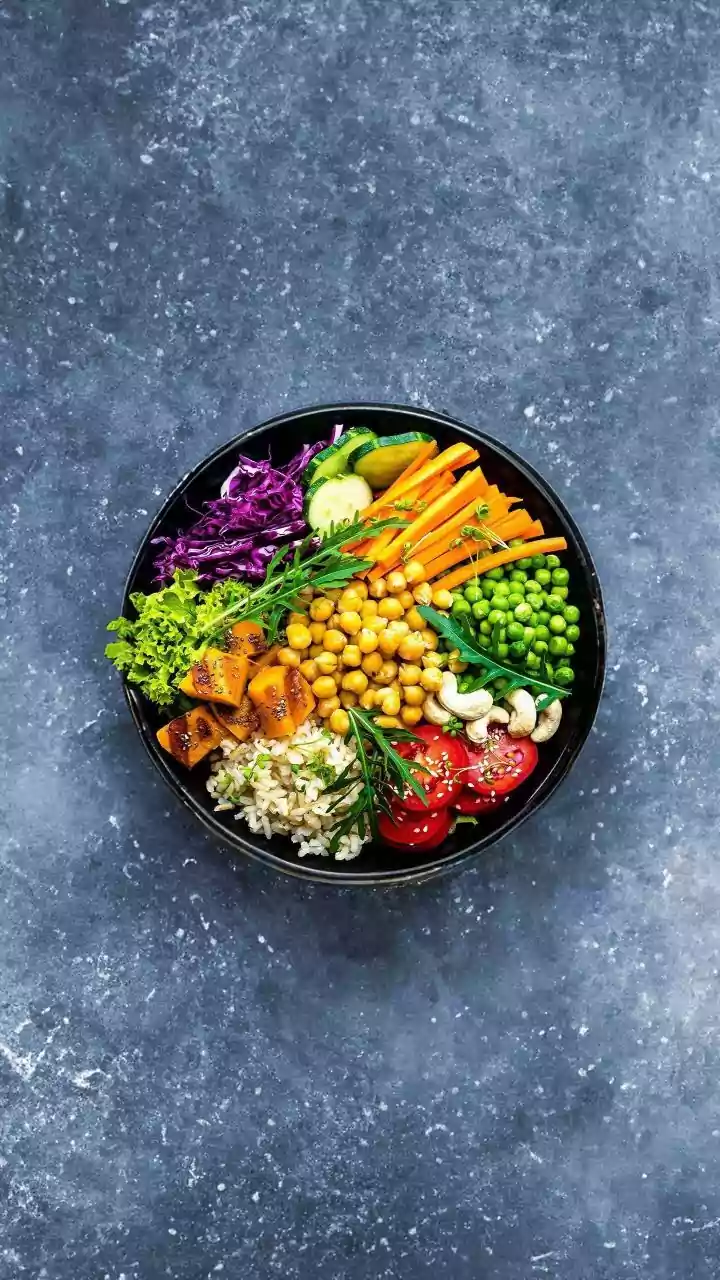
Instead of obsessing over what to cut out, try focusing on what you can add in. Make it a goal to add one more serving of vegetables to your dinner, switch from a sugary drink to water, or snack on a piece of fruit instead of a packaged sweet. Building your meals around whole foods—vegetables, fruits, lean proteins, and whole grains—naturally crowds out the less nutritious options without making them forbidden. This positive framing helps build a healthier relationship with food, where choices are driven by a desire to nourish your body, not by fear of a specific ingredient list. It transforms the goal from impossible perfection to sustainable progress, which is what truly matters for long-term health.