




The ‘Grain-Free’ Myth
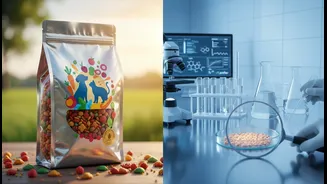
For years, “grain-free” has been marketed as the gold standard for pet health. The narrative suggests grains are unnatural “fillers” that cause allergies and other health problems. However, veterinary nutritionists say this is largely a marketing tactic
rather than a scientific reality. Most pets digest properly cooked grains like corn, rice, and wheat without any issue, and these ingredients provide valuable energy, fiber, and nutrients. In fact, true food allergies in pets are relatively uncommon, and when they do occur, they are more often linked to animal proteins like chicken or beef than to grains. The U.S. Food and Drug Administration (FDA) investigated a potential link between certain grain-free diets—particularly those high in peas, lentils, and other legumes—and a serious heart condition called dilated cardiomyopathy (DCM). After years of investigation, the FDA concluded there was insufficient data to establish a cause-and-effect relationship, but the controversy highlighted the danger of making dietary choices based on trends instead of rigorous science.
Decoding 'By-Products' and 'Fillers'
Few words on a pet food label inspire as much fear as “by-products.” Marketing often paints them as disgusting, low-quality waste like hair or hooves. The reality is far different and much more nutritious. According to the Association of American Feed Control Officials (AAFCO), by-products are clean, non-muscle parts of an animal, such as the liver, kidneys, spleen, and lungs. These organ meats are often more nutrient-dense than the muscle meat humans prefer to eat. In the wild, these are the parts of prey that carnivores would often consume first. Using by-products is also sustainable, reducing food waste from the human food industry. Many companies that claim to have “no by-products” may still list ingredients like liver or kidney individually on the label—which are, by definition, by-products. The term “filler” is another red flag used in marketing, but in a properly formulated diet, every ingredient should serve a nutritional purpose.
The 'Holistic' and 'Human-Grade' Illusion
Terms like “holistic,” “premium,” and “natural” are common on pet food bags, but they have little to no regulatory definition and do not guarantee a food’s quality. They are powerful marketing words designed to appeal to our desire to provide the best for our pets. Similarly, the term “human-grade” can be misleading. While it suggests superior quality, it primarily refers to the ingredient sourcing and manufacturing standards, not necessarily the nutritional appropriateness for a dog or cat. A diet made of human-grade ingredients can still be nutritionally unbalanced for a pet. Cats, for instance, are obligate carnivores and have different nutritional needs from omnivorous dogs, requiring nutrients like taurine found in animal tissues. A higher price tag also doesn't automatically mean better food; often, you're paying for the marketing budget, not superior nutrition.
How to Choose with Confidence
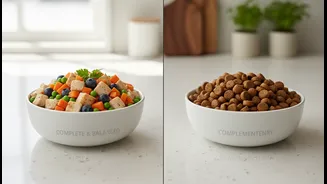
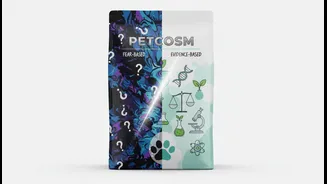
Instead of focusing on marketing claims, turn the bag over and look for evidence. The most important statement on any pet food label is the nutritional adequacy statement from AAFCO. This confirms the food is “complete and balanced” for a specific life stage (e.g., puppy/kitten, adult, senior). Another key indicator of a quality manufacturer is whether they invest in scientific research, conduct feeding trials, and employ full-time veterinary nutritionists. Brands like Hill's Science Diet, Royal Canin, and Purina are often recommended by veterinarians because they meet these criteria. The ingredient list can be helpful, but it's not the whole story. Ingredients are listed by weight, and high-water-content items like fresh meat can appear higher on the list than more nutrient-dense dry ingredients like meat meals. When in doubt, ignore the slogans on the front of the bag and the fear-mongering online. Your veterinarian is the best source of information for your pet's specific needs.