

The End of the ‘For Guests Only’ Room
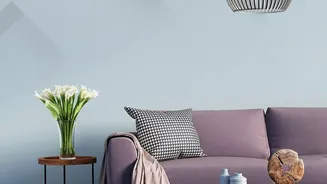
For decades, the Indian living room, or drawing room, was designed to impress, not to be lived in. It was a formal chamber with imposing sofas, often shrouded in plastic, and elaborate centre tables that served more as status symbols than functional furniture.
This space was the social threshold of the home, meticulously maintained for visitors and special occasions, while everyday family life was relegated to other, less visible parts of the house. This approach reflected a deeper cultural trait where social validation and appearance were paramount; a space designed not for personal comfort but for public perception.
A Pandemic-Accelerated Pivot to Practicality
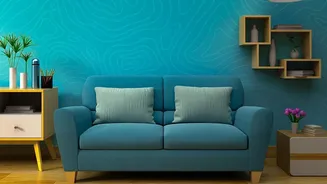
The shift away from this formality was accelerated by the pandemic, which forced a radical reinvention of domestic space. Homes suddenly had to become offices, classrooms, gyms, and entertainment hubs all at once. The living room, often the largest room, could no longer afford to be a static showpiece. This newfound need for versatility turned it into a dynamic, multi-purpose area. This demand was driven by necessity, as smaller urban apartments and hybrid work models made maximising every square foot essential. Furniture that could serve multiple functions—sofa beds, expandable tables, and desks that fold away—became staples, transforming living rooms into spaces that adapt to the family's needs throughout the day.
Comfort Is the New Status Symbol
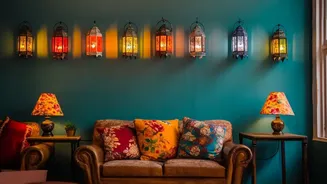
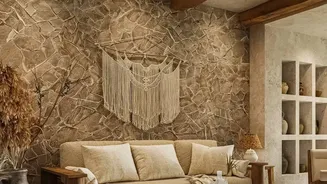
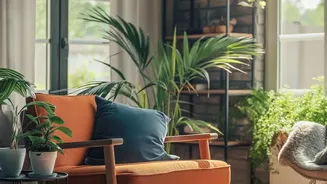
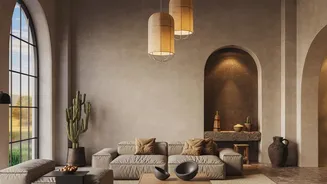
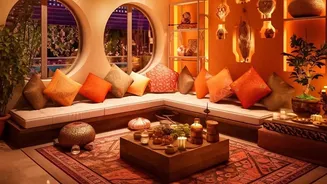
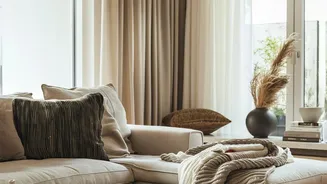
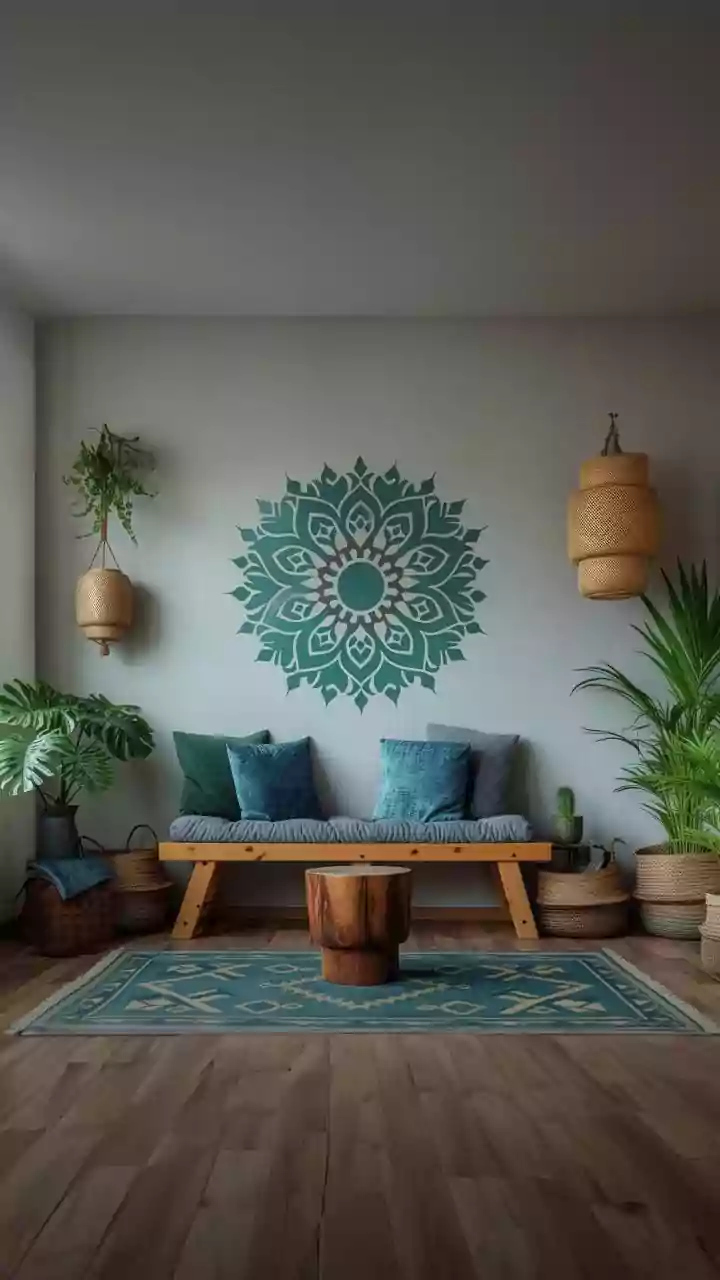
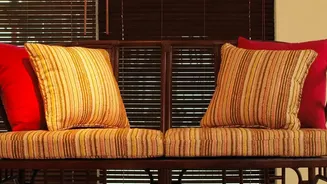
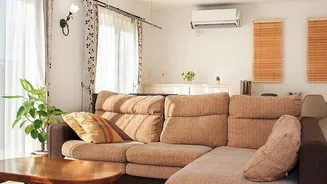
Today, luxury in Indian homes is being redefined. It's less about the sheer size of a room and more about how beautifully and comfortably it is inhabited. The new status symbol isn't an untouched, opulent hall, but a warm, personalised, and inviting space. Homeowners are increasingly prioritising emotional comfort and flexibility over performative displays. This is reflected in the rising popularity of 'soft luxury', which favours tactile materials like natural wood, woven cane, and textured fabrics that feel good to touch. Design trends are moving towards earthy, warm tones, layered textures, and artisanal decor that tell a personal story. A curated corner with a comfortable armchair for reading or a balcony styled with plants for a morning coffee now holds more value than a room designed solely for social gatherings.
A Reflection of a More Confident India
This evolution of the living room is more than just a design trend; it's a mirror to a larger cultural shift. The move from guest-centric to resident-centric homes signals a change in priorities. Younger generations, particularly millennials and Gen Z, are driving this transformation, valuing authenticity, personal well-being, and self-expression over rigid social conventions. They want homes that reflect their personality, not just a catalogue. The decline of the formal drawing room, much like the formal dining room, is a sign of a society becoming more informal and self-assured. It suggests a move away from seeking external validation towards creating spaces that provide genuine comfort and joy to the people who live in them every day. The Indian home is no longer just a backdrop for life; it is an active participant in it.