



A Gift from Halley's Comet
The Orionid meteor shower is one of the most beautiful of the year, and it has a famous parent: Halley's Comet. The meteors you’ll see are actually tiny fragments of rock and ice shed by the comet on its 76-year journey around the sun. Each October, Earth
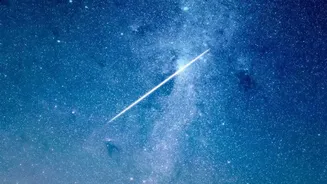
passes through this stream of ancient debris, and as the particles burn up in our atmosphere, they create the fiery streaks we call shooting stars. So, every meteor you spot is a direct connection to one of the most celebrated comets in history, which won't be visible from Earth again until 2061.
Mark Your Calendar for Peak Viewing
The Orionids are active from early October to early November, but the best time to watch will be during the peak. In 2026, the shower is predicted to peak in the predawn hours of October 21st and 22nd. The ideal viewing window is after midnight, specifically between moonset (around 3 a.m. local time) and the first light of dawn. During the 2026 peak, the moon will be bright, but it sets in the early morning, leaving a period of dark sky perfect for meteor watching. Under ideal dark-sky conditions, you might see 15 to 25 meteors per hour, but it's important to set realistic expectations for city viewing.
How to Find the Orionids
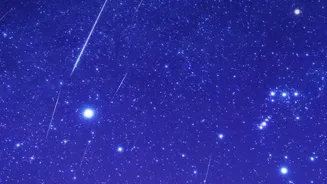
The shower is named after the constellation Orion the Hunter, as the meteors appear to radiate from a point near it. To find Orion, look for its most famous feature: a straight line of three bright stars that form his belt. The radiant is located just above the belt, near the reddish star Betelgeuse. However, you don't need to stare directly at this point. In fact, looking about 45 degrees away from the radiant will allow you to see meteors with longer, more dramatic trails as they streak across the sky. The meteors can appear anywhere, so find a comfortable position where you can take in as much of the sky as possible.
Tips for the Urban Stargazer
Viewing a meteor shower from a city presents the challenge of light pollution, but it’s not impossible. The key is to find the darkest spot you can. This could be a large park, a sports field, or even a backyard that’s shielded from direct streetlights. The most crucial step is to let your eyes fully adapt to the darkness, which can take 20 to 30 minutes. During this time, avoid looking at your phone or any other bright screens, as it will ruin your night vision. Lie back on a blanket or a reclining chair to get a wide, comfortable view of the sky. Patience is essential; the show lasts until dawn, so you have plenty of time to spot a few brilliant streaks.
What to Expect From City Skies
It's important to manage expectations. The advertised rate of 20-plus meteors per hour is for pristine, dark-sky locations, not a city centre. From an urban or suburban area, the number will be much lower. Instead of a constant barrage, you'll likely see a handful of bright meteors over the course of an hour. The Orionids are known for being fast and often leaving persistent, glowing trails, so even seeing one or two can be a rewarding experience. Don't be discouraged if you don't see anything for several minutes. The magic of a meteor shower is in the waiting and the sudden, brilliant reward.