




The Annual Monsoon Scramble
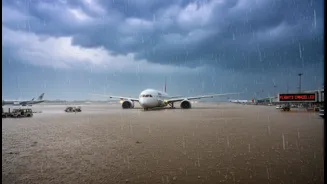
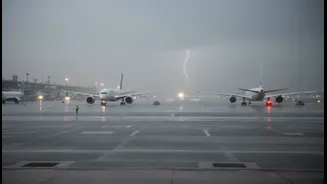
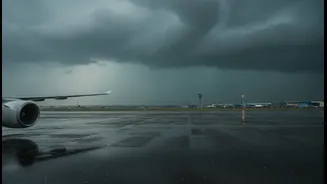
For Delhi residents, the monsoon brings a familiar, shared anxiety. A journey to Indira Gandhi International Airport that might take 45 minutes on a clear day can easily bloat to two or even three hours. Recent heavy rains have once again brought the city
to a crawl, with widespread waterlogging and traffic snarls across key routes. As predictable as the rains themselves are the advisories from airlines, urging passengers to allow for extra travel time. We dutifully obey, leaving our homes with an almost comical amount of buffer. We pack our bags, then pack an extra two hours on top. This frantic, rain-induced time inflation has become a seasonal rite of passage, a collective survival tactic in a city where monsoon travel is an extreme sport.
More Than Just Beating the Clock
The argument for this habit is simple: it works. Leaving excessively early is our shield against the city’s aquatic chaos. But what if we've stumbled upon a bigger life hack? The real benefit of the monsoon buffer isn't just about avoiding a missed flight; it's about avoiding the frantic, heart-pounding stress that accompanies a last-minute dash. The fear of reaching late is a primary driver of travel-related anxiety and frustration. By consciously creating a surplus of time, we are not just planning for traffic, we are investing in our own peace of mind. This habit, born of necessity, accidentally addresses a core problem of modern travel: the journey to the airport is often more stressful than the flight itself.
The Unexpected Perks of Arriving Early
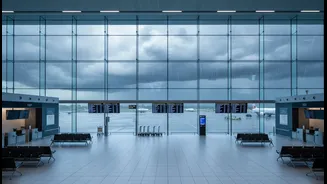
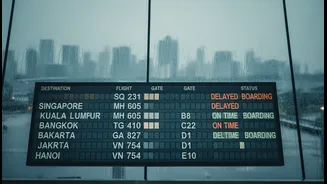
Think about the typical airport experience: the mad dash to the check-in counter, the frantic unpacking at security, the breathless run to the boarding gate. Now, contrast that with the alternative. Arriving early transforms the airport from a zone of stress into a space of transition. It offers the luxury of a leisurely stroll instead of a desperate sprint. You have time to grab a coffee, find a quiet corner to read, or simply watch the planes. Airports are often less crowded in the earlier hours, making for a calmer experience through check-in and security. This downtime isn't wasted; it's a valuable moment to decompress and mentally shift from the chaos of the city to the journey ahead. It allows you to start your trip feeling calm and in control, not frazzled and exhausted.
A Philosophy for All Seasons
The core of the argument is this: Delhi's traffic is unpredictable year-round, not just from July to September. A VIP movement, a sudden procession, an unexpected breakdown, or road construction can throw travel times into disarray on any given day. The city’s roads are perpetually congested, with vehicle numbers far outpacing infrastructure. The monsoon merely puts a magnifying glass on a pre-existing condition. Why, then, do we abandon our sensible buffer time as soon as the sun comes out? The same logic that applies during a downpour holds true on a perfectly clear Tuesday morning. The 'just-in-time' approach to airport travel is a gamble, and in a city like Delhi, the odds are rarely in your favour.
Reclaiming Your Journey
Ultimately, adopting the monsoon buffer as a year-round habit is about changing our relationship with travel. It’s a conscious decision to prioritise calm over chaos. Travel anxiety often stems from a feeling of being out of control. By gifting ourselves the buffer, we reclaim a significant measure of that control. It’s a small act of self-care that pays huge dividends in mental wellbeing. We can't control the traffic, the weather, or the security queues, but we can control our departure time. It reframes the beginning of a trip not as a stressful logistical hurdle, but as a gradual and deliberate transition. The journey doesn't have to begin with a panic attack on the Outer Ring Road.