






The Allure of Ziro Valley
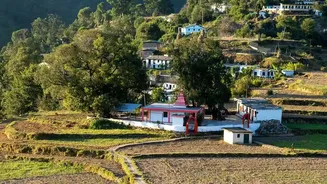
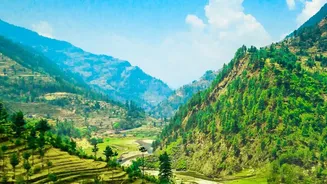
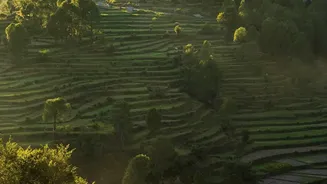
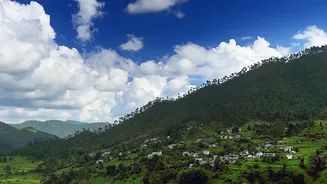
Nestled in the lower Subansiri district of Arunachal Pradesh, Ziro Valley is a canvas of breathtaking landscapes and rich cultural heritage. This picturesque plateau, shortlisted for UNESCO World Heritage status, is renowned for its vibrant green paddy
fields, dense pine groves, and the unique traditions of the Apatani tribe. The Apatani community is celebrated for its sustainable agricultural practices, particularly its ingenious paddy-cum-fish cultivation system that has been perfected over centuries without modern machinery. For travellers, Ziro is more than just a pretty destination; it's an opportunity for deep cultural immersion. Exploring traditional villages like Hong, Hari, and Bamin offers a glimpse into a way of life that is deeply connected to nature. This blend of ecological wisdom and serene beauty is what draws a growing number of visitors seeking an escape from the urban hustle.
Why Eco Homestays Are Gaining Popularity
Instead of conventional hotels, many young travellers are opting for eco homestays run by local Apatani families. These homestays are not just about accommodation; they are about connection. Staying in a traditional bamboo and timber house offers an unfiltered window into the local culture, from sharing home-cooked meals by a central fireplace to learning about customs from family elders. Many of these homestays are committed to sustainability, employing practices like solar power, rainwater harvesting, and organic farming. This model of tourism ensures that the economic benefits flow directly to the local community, empowering families and preserving cultural practices. For the traveller, it’s a chance to experience true hospitality, taste authentic Apatani cuisine like smoked meat and rice beer (apong), and live according to the gentle rhythms of village life.
Your Essential Document: The Inner Line Permit
Arunachal Pradesh, due to its strategic location and culturally sensitive nature, requires all domestic tourists from outside the state to obtain an Inner Line Permit (ILP) for entry. This is not a mere suggestion but a mandatory requirement checked at border gates. Fortunately, the process has been streamlined and can be completed online. Travellers can register on the official government portal, fill out the application form with personal and travel details, upload a photo ID (like Aadhaar or a passport) and a recent photograph, and pay the fee online. The cost is nominal, typically around ₹100-₹500 depending on the duration of the stay, and approval is often granted within a day or two. It is crucial to list all the districts you plan to visit, as the permit is location-specific. While a digital copy is usually accepted, carrying a couple of printouts is highly recommended.
Travelling with Purpose and Respect
The trend of visiting Ziro Valley reflects a broader shift towards slow, sustainable, and responsible tourism. This is especially true for events like the Ziro Festival of Music, an outdoor music festival celebrated for its eco-friendly ethos, which attracts a global audience each September. Beyond the festival, the appeal lies in mindful exploration. Responsible tourism in Ziro involves simple but important practices. Always ask for permission before photographing people, especially elders, as a sign of respect. Minimize your environmental footprint by avoiding single-use plastics and carrying your waste back if necessary. Support the local economy by purchasing authentic handicrafts directly from artisans and hiring local guides for treks and village walks. Dressing modestly and being mindful of local customs will ensure your interactions are positive and respectful, enriching your experience and preserving the unique character of the valley for future visitors.