




The Great Migration From Cubicles to Mountains
The remote work revolution has fundamentally altered the professional landscape in India. No longer tethered to bustling metropolitan offices, a growing number of professionals, particularly in the tech sector, are seeking environments that offer a better
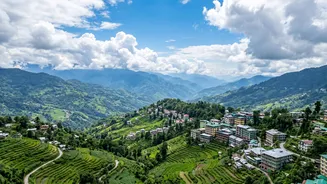
quality of life. This has sparked a migration away from traditional tech hubs like Bengaluru and Hyderabad towards locations that promise peace, clean air, and a healthier work-life balance. The concept of a 'workation'—blending work with leisure in a vacation setting—has evolved from a temporary trend into a sustainable lifestyle choice for many. Professionals are discovering that productivity doesn't require a city skyline; sometimes, it thrives amidst rolling hills and tranquil nature.
Sikkim’s Magnetic Appeal
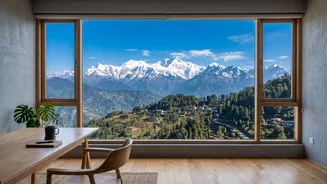
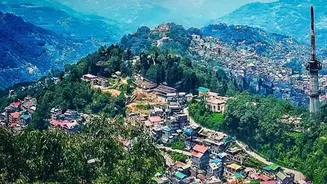
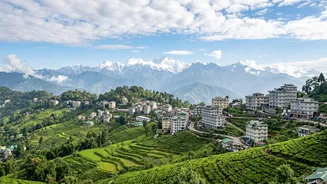
So, why Gangtok? The capital of Sikkim has emerged as a frontrunner for several compelling reasons. Its pristine environment, stunning Himalayan vistas, and reputation for safety and cleanliness make it an obvious choice for those looking to escape urban chaos. The town offers a unique blend of modern amenities and rich cultural experiences. Cafes equipped with charging points and stable Wi-Fi are becoming commonplace, catering directly to the needs of digital nomads. Moreover, the year-round pleasant weather provides a welcome respite from the extreme climates of the plains, making it an ideal setting for both focused work and rejuvenating breaks.
Building a Digital Nomad Ecosystem
The trend is powered by more than just pretty views. A crucial factor in Gangtok’s rise is the significant improvement in its digital infrastructure. Reliable high-speed internet, once a major concern in mountainous regions, is now widely available thanks to strong 4G connectivity from major providers and dedicated internet lines. This has been a game-changer, enabling seamless video calls, coding, and content creation. While dedicated co-living spaces are still an emerging concept, a robust ecosystem of work-friendly hotels, homestays, and hostels has stepped in to fill the gap. These establishments offer not just desks and Wi-Fi but also a sense of community, allowing remote workers to connect with like-minded individuals. The government has also taken note, with initiatives like the 'Nomad Sikkim' project in nearby Yakten village officially establishing the region as a remote work destination.
The Workation Lifestyle in Practice
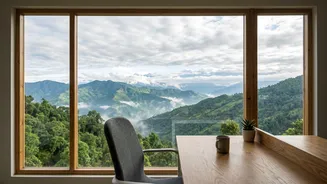
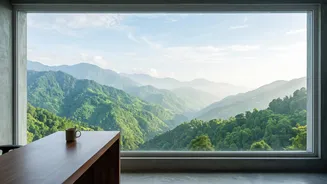
A typical day for a tech worker in Gangtok looks vastly different from one in a metro city. Mornings might be dedicated to focused work sessions, fueled by locally sourced coffee with a mountain backdrop. Afternoons are for exploration—a short hike through a lush forest, a visit to a nearby monastery like Rumtek, or a stroll down the vibrant MG Marg. Evenings can be spent socializing in cozy cafes or simply unwinding. This lifestyle promotes a natural balance, reducing burnout and enhancing creativity. The emphasis is on both productivity and personal well-being, a combination that many urban environments fail to offer. This blend of work and leisure allows professionals to feel recharged rather than drained at the end of a workday.
Economic Impact and Future Outlook
The influx of remote workers is creating a positive economic ripple effect in Sikkim. It provides a year-round stream of income for local businesses, particularly homestay owners and cafes, helping to offset the seasonal nature of traditional tourism. This new form of digital tourism supports local livelihoods and encourages rural entrepreneurship. However, the trend also brings potential challenges. Increased demand can lead to rising rents and a higher cost of living, which could affect locals. As Gangtok and its surrounding areas continue to grow as a workation hotspot, the key will be to manage this development sustainably, ensuring that the infrastructure can support the growth without compromising the very tranquility that makes the region so appealing. The success of this model could serve as a blueprint for other Himalayan regions looking to attract a new generation of workers.