




The Gardener's Monsoon Dilemma
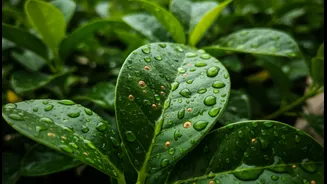
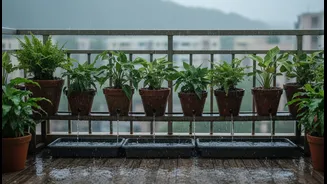
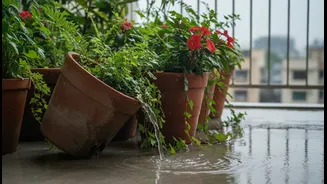
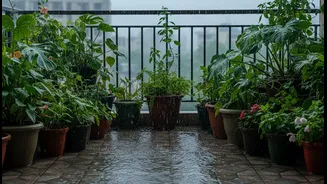
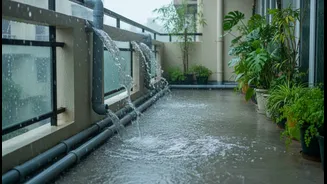
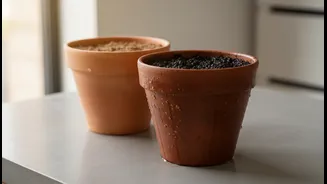
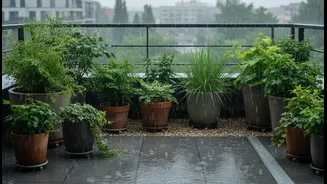
For anyone with a balcony or terrace garden, the monsoon is a double-edged sword. While the rainwater is pure and beneficial, the sheer volume is a problem. When pots are relentlessly drenched, the soil becomes waterlogged, cutting off oxygen to the roots.
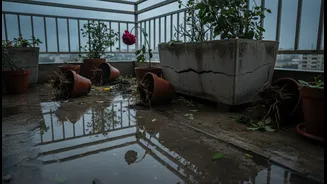
This creates the perfect environment for root rot, a fungal disease that quickly turns healthy plants into a mushy mess. High humidity further encourages pests and fungal growth on leaves and soil. Many gardeners find themselves in a frustrating cycle: their plants, which survived the scorching summer, now risk drowning in the abundance of the rainy season.
How Self-Watering Containers Offer a Solution
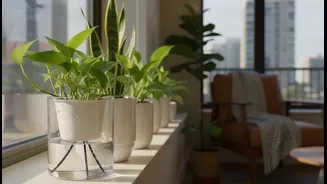
Enter the self-watering container. Despite the name, it's not a robotic pot, but a clever design that gives control back to the plant. These containers consist of two main parts: a growing bed for the plant and soil, and a water reservoir below. The two are connected by a wicking system, often a fabric rope or a column of soil, that draws water up from the reservoir into the soil via capillary action. The plant's roots then absorb moisture as needed. This bottom-up approach keeps the root zone consistently moist without ever becoming saturated, solving the core problem of traditional pots.
Your Plant's Personal Rain Shield
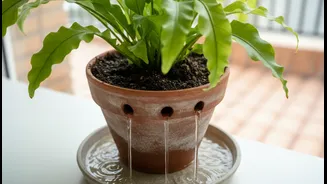
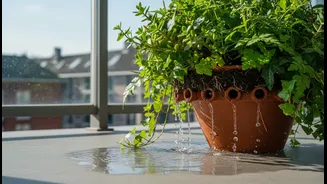
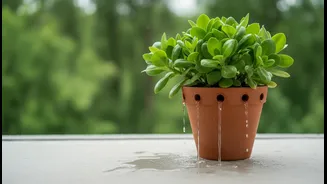
The magic of these containers during the monsoon lies in their ability to manage excess water. Most outdoor self-watering planters have an overflow hole. When heavy rain falls, the soil takes only the moisture it can hold, and the rest filters down into the reservoir. Once the reservoir is full, any additional rainwater simply exits through the overflow drain. This prevents the soil from becoming waterlogged, effectively shielding the roots from the constant downpour. It also helps conserve soil nutrients that are often washed away by heavy rain in conventional pots. Your plant gets to enjoy the humidity it loves without the risk of its roots suffocating.
Best Plants for Self-Watering Setups
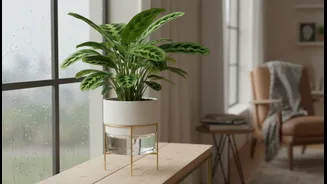
While these pots are versatile, they are best suited for plants that prefer consistent moisture but despise soggy soil. This makes them ideal for a wide range of popular Indian houseplants. Tropical plants that thrive in high humidity, such as peace lilies, anthuriums, calatheas, and various ferns, are excellent candidates. Common favourites like money plants (pothos), spider plants, and philodendrons also adapt beautifully. Many herbs like basil, mint, and parsley flourish with the steady water supply. However, avoid using them for drought-loving plants like succulents and cacti, which need their soil to dry out completely.
DIY or Buy: Getting Started
You don't need to spend a lot to try this method. A simple DIY self-watering planter can be made at home using two nested buckets or even a large plastic bottle. The basic principle is to create a water reservoir at the bottom and a wicking system to pull water up. Numerous online tutorials can guide you through the process. For those who prefer a ready-made solution, a wide variety of commercial self-watering pots are available online and in nurseries. When buying, look for sturdy, good-quality plastic and ensure it has a clearly marked water-level indicator and an overflow spout, which is crucial for outdoor use during the monsoon.
Tips for Monsoon Success
To get the best results, start with the right foundation. Use a light, airy potting mix, perhaps one containing coco coir or perlite, as heavy garden soil can compact and block the wicking action. Even with a self-watering pot, check the reservoir periodically; during a long dry spell between rains, you might need to top it up. Always ensure the overflow hole is not clogged with debris. Finally, while these pots reduce the risk of overwatering from rain, avoid the temptation to overfill the reservoir yourself; the system works best when the plant is in control.