


A Shift Away From the Identical
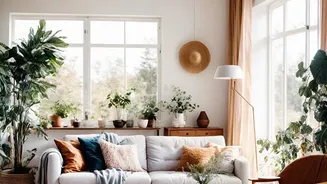
For years, the blueprint for a 'modern' urban interior felt universal: clean lines, neutral palettes, and furniture that could have been bought anywhere in the world. While sleek and functional, this aesthetic often lacks a sense of place and personality.
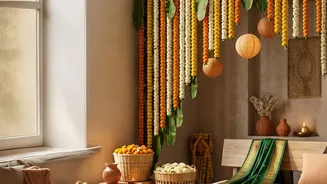
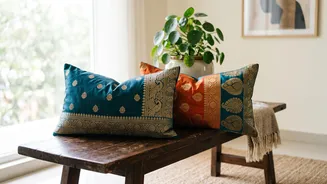
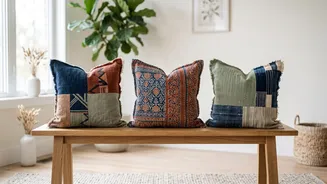
Today, there is a growing desire for authenticity and connection. Homeowners are looking for pieces that do more than just fill a space; they want objects that tell a story, reflect a heritage, and carry the mark of a human hand. This movement is a conscious turn away from the predictable and toward decor that feels personal, curated, and deeply rooted in Indian culture. It is not about recreating the past, but about integrating it thoughtfully into contemporary life.
Lighting That Tells a Story
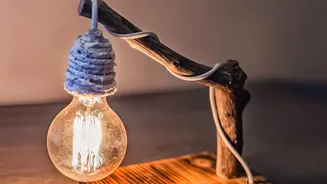
Perhaps nowhere is this trend more visible than in lighting. A lamp is not just a functional object; it sculpts the mood of a room. Designers are now collaborating with artisans to transform traditional crafts into stunning lighting fixtures. Imagine a pendant light made using the sitalpati weaving techniques of Assam, traditionally used for mats. Or a table lamp featuring the iconic, brightly coloured lacquered wood of Channapatna. Metalwork crafts like the ornate brass lamps of Nachiarkoil in Tamil Nadu, a craft with roots in the Chola dynasty, are finding new life in modern living rooms. Block-printed fabrics, once reserved for textiles, now adorn lampshades, filtering light through traditional patterns to create a warm, inviting glow. These pieces are more than just light sources; they are conversation starters and carriers of cultural identity.
The Artisan-Designer Partnership
This revival is not happening in a vacuum. It is being driven by a crucial partnership between contemporary designers and traditional artisans. Designers bring an understanding of modern aesthetics, urban living constraints, and market demands. Artisans bring generations of skill, a deep knowledge of materials, and time-honoured techniques. Studios like The Vernacular Modern are built on this very premise, conducting deep research and working directly with craftspeople to bridge the gap between heritage and contemporary taste. This collaboration ensures that the crafts are not simply replicated but respectfully re-imagined for new contexts, making them relevant for today's homes. It is a symbiotic relationship that fuels innovation while helping to preserve endangered skills that might otherwise be lost.
Creating A Culturally Rich Interior
The effect of bringing these pieces into a home is transformative. A hand-carved wooden console, a terracotta vase, or a single, striking brass sculpture can add layers of texture and meaning to an otherwise minimal space. Against clean lines and modern furniture, the intricate details of a handcrafted object stand out even more. It is about achieving a careful balance. The goal isn't to create a museum-like space cluttered with traditional objects, but to use them as powerful accents. A single piece of bone inlay furniture from Rajasthan or a restored Naga wood carving can anchor a room, giving it a unique identity and a tangible link to India's rich and diverse craft traditions. This approach creates a home that feels both modern and deeply connected to its roots.
More Than Just Decor
Ultimately, this trend is about more than just aesthetics. Choosing a handcrafted lamp over a mass-produced one is a statement of values. It supports the livelihoods of artisans and their communities, helping to create a sustainable market for their skills. In an age of fast consumption, it champions 'slow design'—the idea of choosing fewer, better things that are made with care and built to last. While challenges like cost and competition from machine-made imitations exist, the growing domestic demand for authentic, culturally significant decor offers a promising path forward. By bringing these objects into our homes, we become custodians of a small piece of cultural heritage, ensuring these incredible skills are not just preserved, but celebrated for generations to come.