





Why Low-Impact Cardio Is a Smart Choice
Cardiovascular exercise is any activity that raises your heart rate for a sustained period. The goal of 'low-impact' exercise is to achieve this without putting excessive stress on your joints. Unlike running or jumping, low-impact movements ensure you typically
keep one foot on the ground, leading to smoother, less jarring motions. This makes it an ideal choice for beginners, individuals with joint pain or arthritis, or anyone seeking a sustainable, long-term fitness solution. These exercises can effectively lower blood pressure, reduce the risk of heart disease, and help manage weight, all while protecting your knees, hips, and ankles from strain.
Marching in Place with Arm Swings
This is one of the most accessible and foundational low-impact exercises. Stand tall with your feet hip-width apart. Begin marching on the spot, lifting your knees to a comfortable height. As you lift your right knee, swing your left arm forward, and vice-versa, in a coordinated rhythm. Pumping your arms actively not only helps to raise your heart rate but also engages your upper body. To increase the intensity without adding impact, simply increase the speed of your marching and the height of your knee lifts.
Step-Touches
A classic aerobic move, the step-touch is excellent for lateral movement and coordination. Stand with your feet together. Take a wide step to your right with your right foot, then bring your left foot to meet it, tapping it lightly on the floor. Immediately step out to the left with your left foot, and bring your right foot to tap beside it. Keep a slight bend in your knees and stay light on your feet. For a greater cardiovascular challenge, add arm movements, such as raising your arms to the side as you step out.
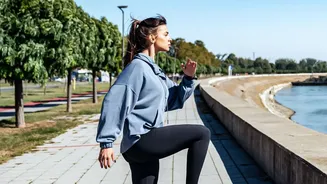
Butt Kicks
Butt kicks are a step up from marching that effectively warm up your hamstrings and increase your heart rate. Standing with your feet about hip-width apart, begin to jog lightly in place. Instead of lifting your knees forward, focus on kicking your heels back towards your glutes. Try to keep your upper body stable and your core engaged. To keep it low-impact, avoid jumping and instead perform the movement as a brisk walk, alternating which heel you bring up.
Wall Push-Ups
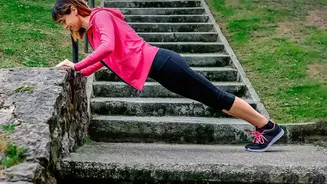
While often seen as a strength exercise, wall push-ups can be adapted for a cardio benefit when performed at a steady, continuous pace. Stand facing a wall, about arm's length away. Place your palms flat on the wall, slightly wider than your shoulders. Bend your elbows and lean your body toward the wall, keeping your back straight, until your nose is close to the wall. Push back to the starting position. Repeating this movement at a brisk, consistent rhythm for a minute or more will elevate your heart rate while also strengthening your chest and arms.
Glute Bridges
This exercise strengthens the glutes and core while also offering a gentle way to raise your heart rate. Lie on your back with your knees bent, feet flat on the floor hip-width apart, and your arms by your sides with palms down. Squeeze your glutes and lift your hips off the floor until your body forms a straight line from your shoulders to your knees. Hold for a moment, then lower your hips back down with control. To make it more of a cardio exercise, perform the lifts at a steady, rhythmic pace without pausing for long at the top or bottom.
Skaters (Low-Impact)
Skaters are a great exercise for challenging your balance and working your heart. For the low-impact version, you will step instead of jump. Start in a slight squat. Step your right leg diagonally behind your left leg, while swinging your left arm forward. Then, step your left leg diagonally behind your right leg, swinging your right arm forward. Continue alternating sides in a fluid, gliding motion. The lateral movement engages different muscles than forward-and-back exercises and effectively increases your heart rate.