



The Slurry: A Non-Negotiable First Step
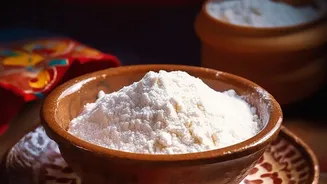
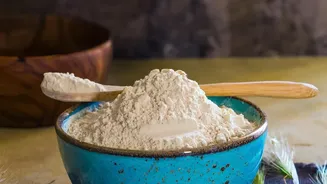
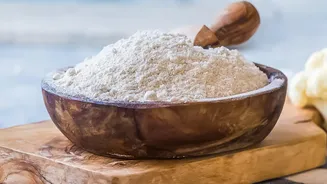
Before we dive into the recipes, let’s focus on the single most important rule of cooking with arrowroot: always make a slurry. Arrowroot is a fine, powdery starch extracted from a tropical plant root. When this dry powder hits hot liquid, its starch molecules
swell instantly, grabbing onto each other and forming clumps before they can dissolve. The result is a lumpy mess. By first mixing arrowroot with a small amount of cold liquid—a process called making a 'slurry'—you give the starch particles time to fully hydrate and separate. When you pour this smooth paste into your hot soup or sauce, it disperses evenly, creating a silky texture without any lumps. This simple step is the key to unlocking arrowroot's full potential.
Why Choose Arrowroot?
Arrowroot isn't just another thickener; it offers distinct advantages over cornstarch and regular flour. It's naturally gluten-free, grain-free, and paleo-friendly, making it an excellent choice for those with dietary sensitivities. Unlike cornstarch, which can be derived from genetically modified corn and impart a slightly chalky taste, arrowroot is flavorless and creates a beautiful, clear, glossy finish. This makes it ideal for fruit pie fillings and delicate sauces where you want the ingredients' natural colors to shine through. It also holds up well in acidic recipes and freezes without breaking down or becoming spongy upon thawing, a common issue with cornstarch-thickened sauces.
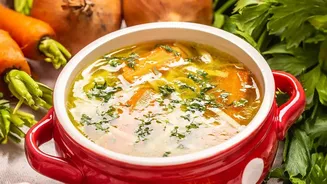
Recipe 1: Classic Hearty Vegetable Soup
This recipe shows how easily arrowroot can add body to a brothy soup. Sauté your favorite soup vegetables (like carrots, celery, onions, and potatoes) in a large pot. Add 6 cups of vegetable or chicken broth, bring to a simmer, and cook until the vegetables are tender. Now, for the magic. In a small bowl, whisk together 2 tablespoons of arrowroot flour and 4 tablespoons of cold water until completely smooth. While gently stirring the soup, slowly pour in the slurry. Continue to stir for another minute or two as the soup thickens to a richer, more velvety consistency. Season with salt, pepper, and fresh herbs before serving.
Recipe 2: Rich and Glossy Pan Gravy
Never suffer lumpy gravy again. After pan-searing chicken or steak, remove the meat and leave about 2 tablespoons of drippings in the skillet. Over medium heat, add 2 cups of beef or chicken broth, scraping up any browned bits from the bottom. In a separate cup, mix 1.5 tablespoons of arrowroot powder with 3 tablespoons of cold water to form a slurry. Whisk the slurry into the simmering broth. It will thicken into a rich, glossy gravy in about 30 to 60 seconds. A key advantage here is that arrowroot provides a neutral flavor, allowing the taste of the pan drippings to be the star. Be careful not to boil the gravy for too long, as prolonged high heat can cause the arrowroot to lose its thickening power.
Recipe 3: Vibrant Sweet and Sour Sauce
Arrowroot excels in acidic sauces where cornstarch can sometimes struggle. For a quick sweet and sour sauce, combine 1/2 cup pineapple juice, 1/4 cup rice vinegar, 3 tablespoons of soy sauce, and 3 tablespoons of brown sugar in a saucepan. Bring the mixture to a gentle simmer. Meanwhile, create a slurry with 1 tablespoon of arrowroot and 2 tablespoons of cold water. Slowly whisk the slurry into the saucepan. The sauce will thicken almost immediately, becoming clear and glossy—perfect for coating stir-fried vegetables, chicken, or tofu. Because arrowroot works quickly at lower temperatures, you add it at the very end of cooking.
Recipe 4: Perfect Fruit Pie Filling
Say goodbye to cloudy or runny fruit pies. Arrowroot creates a bright, clear, and perfectly set filling. For a classic berry pie, toss 5 cups of fresh or frozen mixed berries with 3/4 cup of sugar and 1/4 cup of arrowroot flour. The moisture from the fruit will be enough to form a natural slurry as it sits for about 10-15 minutes, so no extra liquid is needed. The arrowroot's ability to withstand acidic ingredients ensures the filling will set beautifully without breaking down. Pour the mixture into your pie crust and bake. The result is a stable, sliceable pie with a vibrant, glossy filling that holds its shape.
Recipe 5: Creamy Dairy-Free Chocolate Pudding
While arrowroot can sometimes have a slimy texture with dairy, it works wonderfully with plant-based milks. In a saucepan, whisk together 2 cups of coconut milk, 1/3 cup of sugar, and 1/4 cup of cocoa powder. In a small bowl, make a slurry by mixing 3 tablespoons of arrowroot flour with 1/4 cup of cold water. Once the chocolate mixture is warm, whisk in the arrowroot slurry and continue to cook over medium-low heat, stirring constantly, until the pudding thickens, which takes about 5-7 minutes. Remove from heat, stir in a teaspoon of vanilla extract, and pour into serving dishes to cool. You'll have a rich, creamy pudding with a perfectly smooth texture.