
First, What Is a Native Plant?
Before we dive into the benefits, let's clarify what 'native' means. A native plant is a species that has grown and evolved in a specific region for thousands of years without human introduction. Think of plants like Neem, Tulsi, Peepal, or Jamun—they
are intrinsically part of India's landscape and heritage. These aren't just wild, untamed species; many are beautiful, fragrant, and perfectly suited for home gardens, from sprawling terraces to compact balconies. They are the plants that have adapted to the local climate, soil, and wildlife, making them a natural fit for any garden in that area.
The Smart Choice for Busy Lives
One of the biggest draws for urban gardeners is how low-maintenance native plants are. Because they are perfectly adapted to the local environment, they are inherently resilient. They thrive in the local soil, whether it's the clay of one region or the sandy loam of another, often without needing special fertilisers. Most importantly, they are accustomed to the local rainfall patterns. Once established, many native species are remarkably drought-tolerant, significantly reducing the need for constant watering—a huge advantage in cities where water can be scarce and schedules are tight. This means less time worrying and more time enjoying your green space.
Invite Nature to Your Doorstep
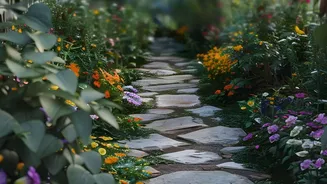
An urban garden filled with native plants quickly becomes a bustling ecosystem. These plants have co-evolved with local wildlife, providing essential food and shelter for birds, butterflies, bees, and other beneficial insects. A simple Hibiscus or Aparajita can attract colourful butterflies, while the flowers of a Curry Leaf plant or Palash tree can be a feast for bees and sunbirds. By planting native species, you are creating a vital micro-habitat that supports local biodiversity. Studies have shown that gardens with native flora host significantly more wildlife, turning your balcony into a miniature sanctuary and a fascinating window into the natural world.
Natural Resilience and Pest Control
Tired of battling pests and diseases? Native plants have a built-in advantage. Over millennia, they have developed natural defences against local pests and diseases, meaning they are far less likely to suffer from infestations. For example, plants like Tulsi and Neem are famous for their pest-repellent properties. This natural resilience reduces, and often eliminates, the need for chemical pesticides and fungicides. This is not only better for the environment and the pollinators visiting your garden, but it's also healthier for you and your family, especially if you're growing herbs or edible plants.
Connecting with Local Roots
Gardening with native plants is also a way to reconnect with our cultural and ecological heritage. Many of these plants hold deep significance in Indian traditions, whether in medicine, cuisine, or folklore. Growing a plant like Tulsi in your courtyard or Brahmi on your windowsill is not just a gardening choice; it's a nod to centuries of local wisdom. In cities where landscapes are often dominated by generic, imported ornamental plants, choosing natives helps restore a sense of place and regional identity. It’s a small but powerful act of celebrating the unique natural beauty of your corner of India.
How to Get Started
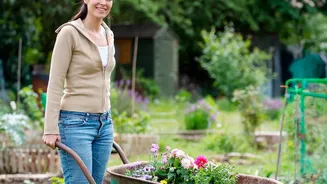
Starting a native garden is easier than you think. The key is to choose plants suited to your specific region and the conditions of your space (sunlight, shade, pot size). Instead of picking up exotic hybrids at a general nursery, seek out local or government-run nurseries that specialise in native species. Ask for plants that thrive in your city’s climate. For North India, you might consider Amaltas or Curry Leaf, while South India is ideal for Hibiscus or Vetiver Grass. Even small additions like Marigolds or a potted Jamun sapling can make a difference, contributing to a healthier, more sustainable, and truly Indian urban landscape.