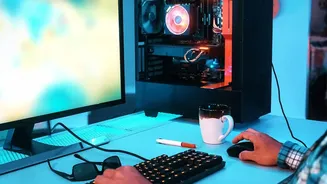




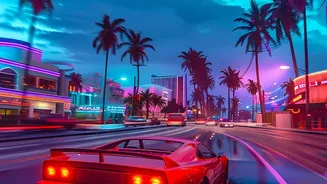
The launch of Grand Theft Auto VI was more than a record-breaking moment for gaming; it was a seismic event for the food industry. As millions of players settled in, delivery apps and snack companies cashed in on a predictable surge of hunger.
An Entertainment Juggernaut
The release
of Grand Theft Auto VI on November 19, 2026, was not just another video game launch; it was the biggest entertainment debut in history. With over 15 million pre-orders, the game generated staggering sales from day one, dwarfing blockbuster movie openings. But the economic ripple effect extended far beyond game sales. A secondary, less obvious boom was happening in kitchens and on delivery bikes across the country as millions of players hunkered down for marathon gaming sessions. Market intelligence firm Sensor Tower predicted the launch would drive an estimated 50 million extra visits to food delivery apps in the US alone over the next 30 days. This phenomenon highlights a major shift in modern commerce, where at-home entertainment events create predictable, large-scale demand for the convenience economy.
The Science of Gamer Appetite
When a player is deep into the sprawling, fictional state of Leonida, the last thing they want to do is pause the action to cook a meal. This captive audience is a prime demographic for the quick-service restaurant (QSR) and snack industries. Data shows that gamers are a highly valuable customer base, with some reports indicating they order food up to 70% more frequently than non-gamers. For the GTA VI launch, food delivery platforms like DoorDash and Uber Eats saw a significant spike in late-night orders. In Miami, the real-world inspiration for the game's Vice City, late-night orders surged by nearly 25% to 30%. The most popular items were those that could be eaten with one hand, allowing for uninterrupted gameplay. Uber Eats even curated deals around one-handed foods, from chicken nuggets to pizza rolls. Energy drinks, chips, burgers, and pizza all saw double-digit percentage increases in orders during the launch window.
A Coordinated Marketing Blitz
This sales surge was no accident; it was the result of a coordinated strategy between food brands and the gaming world. Recognizing the massive, focused attention of the launch, several QSR giants rolled out game-themed promotions. Popeyes, for example, introduced a limited-time 'Spice City Sandwich', a nod to the game's setting. McDonald's integrated its McDelivery service directly into Discord, a popular communication platform for gamers, allowing them to order food without leaving their chat servers. Other chains like Einstein Bros. Bagels and Mooyah offered special deals and sweepstakes for gamers. This level of cross-promotion demonstrates that food companies no longer see gaming as a niche hobby but as a mainstream cultural event on par with a major sports final or a festive season, both of which reliably drive food sales in India.
The Indian Context: A Growing Trend
While many of the specific GTA VI promotions were US-centric, the underlying trend is powerful in India. The Indian QSR market, projected to reach nearly ₹1,476 billion by 2029, is heavily driven by convenience and delivery. Platforms like Swiggy and Zomato regularly report massive order spikes during events that capture national attention, such as cricket matches and festivals like Diwali. Late-night delivery in India has already doubled over the past year, fueled by a young demographic with changing lifestyle patterns. The most popular late-night orders are often pizza and burgers—the same fare preferred by gamers globally. As global entertainment events like the GTA VI launch become more integrated into local culture, Indian food delivery platforms and QSR brands are perfectly positioned to cater to this dedicated, home-bound audience.