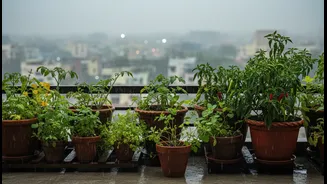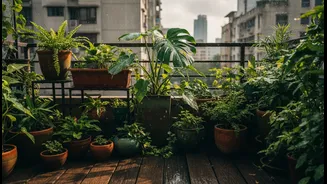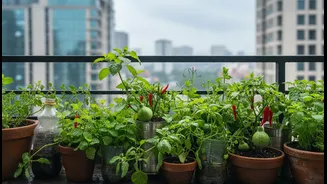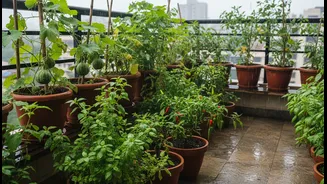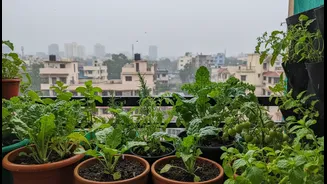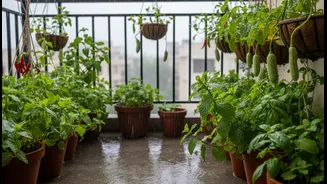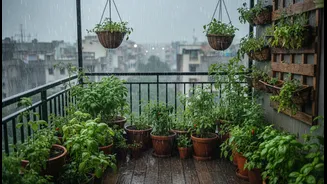




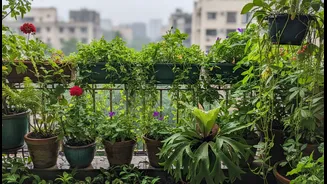


The Lush Payoff: Why a Balcony Garden Is Worth It
Creating a green corner in an urban apartment offers more than just visual appeal. One of the most immediate rewards is access to fresh, pesticide-free produce. Snipping your own coriander for dal or mint for chai provides a sense of satisfaction and control
over what you eat. Beyond the kitchen, tending to plants is a well-known stress reliever, offering a therapeutic escape from the hustle of city life. Studies have shown that daily interaction with plants can reduce stress hormones. A well-planted balcony can also function as a natural air conditioner through a process called evapotranspiration, potentially lowering the temperature of your home. This micro-oasis supports urban biodiversity, attracting birds and butterflies, and transforms a concrete slab into a living, breathing space that enhances your daily well-being.
Counting the Costs: What's the Real Investment?
Starting a balcony garden doesn't have to be an expensive affair. For a beginner setting up a small space with 5-8 plants, a budget of ₹1,500 to ₹3,500 is a realistic starting point. This typically covers the essentials. The main expenses are containers like pots or grow bags, a quality potting mix, seeds or saplings, and a few basic tools such as a trowel and watering can. Earthen pots are great for keeping roots cool, but plastic containers and lightweight grow bags are popular for their durability and affordability. Good soil is crucial; avoid using heavy garden soil, which compacts easily in pots. Instead, opt for a mix of cocopeat, compost, and garden soil, which ensures proper drainage and aeration. Initial costs for seeds and basic tools can be as low as a few hundred rupees, making it an accessible hobby to begin.
Monsoon Realities: Challenges and Limitations
While the monsoon provides ample water, it also brings unique challenges. The most common mistake for beginners is overwatering, which can lead to root rot, a fungal disease that thrives in waterlogged soil. Ensuring every pot has adequate drainage holes is non-negotiable. High humidity and reduced sunlight during cloudy days can make plants susceptible to fungal infections like powdery mildew. Pests such as aphids, mealybugs, snails, and slugs also multiply rapidly in moist conditions. Physical limitations are another factor. Always consider your balcony's weight limit, as a few large pots filled with wet soil can weigh a significant amount. Overcrowding plants can also reduce airflow, making fungal issues worse. For those on higher floors in cities like Mumbai or Bangalore, strong winds can damage taller plants.
Your Monsoon Starter Pack: Plants That Thrive in the Rain
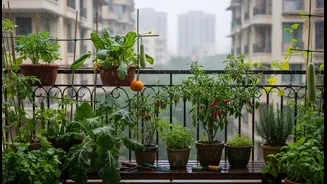
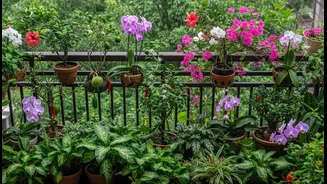
Choosing the right plants is key to a successful monsoon garden. Many varieties flourish in the humid, moist conditions. For flowering plants, hibiscus, periwinkle (sadabahar), and balsam are excellent choices that bloom profusely during the rainy season. Rain lilies are famous for popping up almost overnight after a good shower. If you're interested in edible plants, this is a great time to grow vegetables like okra, bitter gourd, and various gourds that love the rain. Herbs such as mint, coriander, and basil also do very well, providing a continuous supply for your kitchen. Foliage plants like money plant (pothos), ferns, and peace lilies adore the high humidity and indirect light of the monsoon months, adding lush greenery to your space.
A Note for Renters: Navigating Rules and Boundaries
If you live in a rented apartment, you can still create a beautiful garden without making permanent changes. The key is portability. Container gardening using pots and grow bags is the ideal solution, as you can take your plants with you when you move. To maximise space without drilling, consider freestanding vertical stands or ladder shelves. Before starting, it is always wise to review your rental agreement for any specific clauses about balconies or external attachments. While major structural changes are typically forbidden, a simple container garden is rarely an issue. It is also important to be mindful of drainage to avoid water seeping into neighbours' balconies or damaging the building's structure. Remember, as a tenant you have a right to privacy and peaceful enjoyment of your rented space, meaning landlords generally cannot enter without prior notice.