




A Long Journey to an Ocean Moon
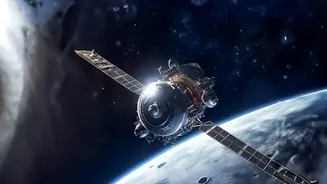
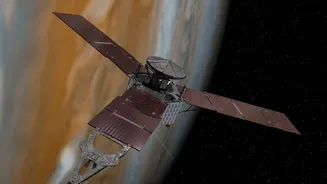
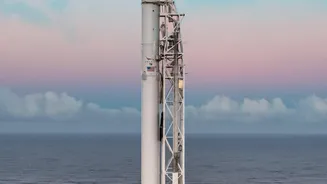
The Europa Clipper spacecraft, the largest planetary spacecraft ever built by NASA, is currently on a nearly six-year, 2.9-billion-kilometre journey to the Jupiter system. Having launched aboard a SpaceX Falcon Heavy rocket on October 14, 2024, it is now
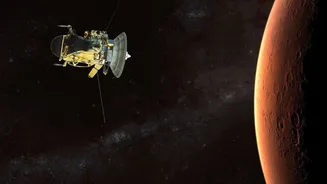
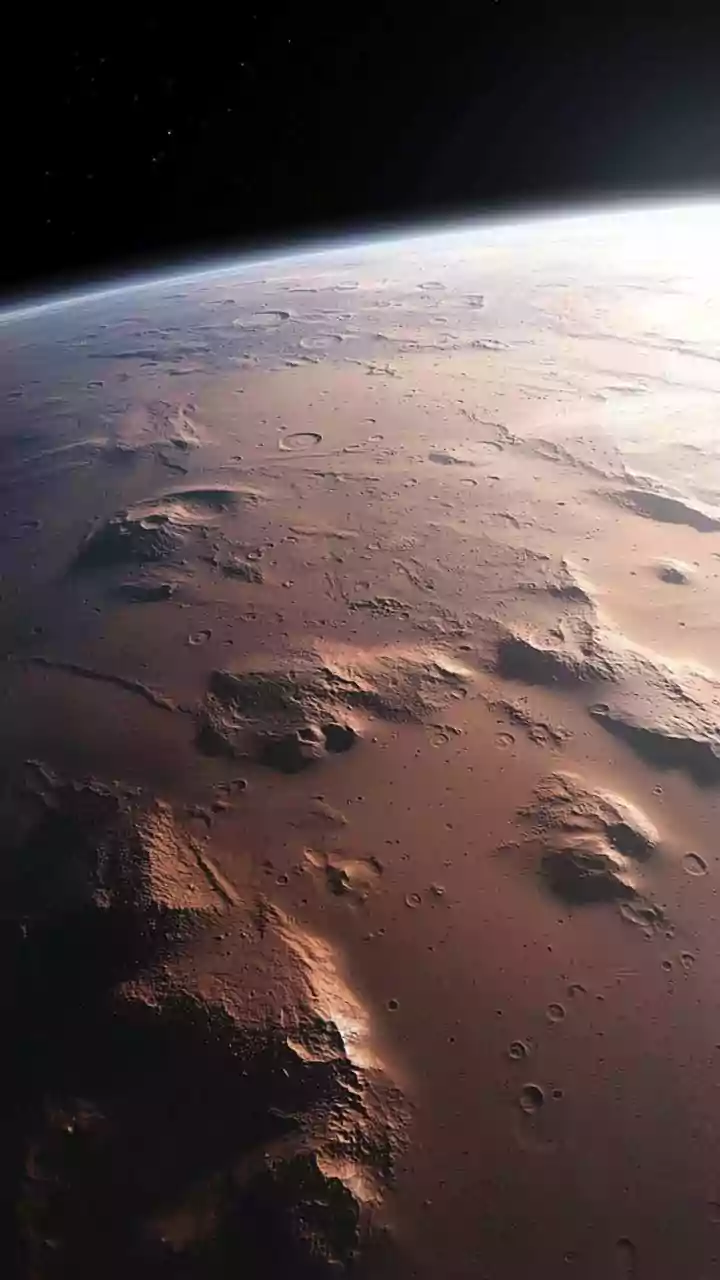
hurtling through the solar system. The mission has already completed a crucial gravity-assist flyby of Mars in March 2025 and is on track for another with Earth in December 2026. These planetary encounters act like cosmic slingshots, providing the spacecraft with the velocity needed to reach Jupiter by its scheduled arrival in April 2030. The name 'Clipper' is a nod to the fast 19th-century ships, as the spacecraft will perform dozens of rapid flybys of its target rather than entering a long, slow orbit.
Why Europa? The Allure of a Hidden Ocean
Among the dozens of moons in our solar system, Europa stands out as a prime candidate for hosting life. Though its surface is a frigid, ice-covered landscape, data from previous missions strongly suggests a vast, saltwater ocean lies beneath its frozen shell. This ocean is estimated to contain more than twice the amount of water in all of Earth's oceans combined. The secret to this liquid water lies in Jupiter's immense gravity, which constantly tugs and flexes the moon's interior. This process, known as tidal heating, generates enough warmth to keep the subsurface ocean from freezing solid and could potentially power hydrothermal vents on the seafloor, similar to those that support entire ecosystems in the dark depths of Earth's oceans.
The Science Onboard a Robotic Explorer
To study this enigmatic world, Europa Clipper is equipped with a suite of nine sophisticated science instruments, all protected within a thick-walled titanium and aluminum vault to shield them from Jupiter's intense radiation. Its cameras will map Europa's surface in unprecedented detail. An ice-penetrating radar, called REASON, will probe the icy shell to determine its thickness and search for pockets of water or even confirm the ocean's presence. A magnetometer aims to measure the depth and salinity of that ocean by studying its magnetic signature. Meanwhile, spectrometers will analyze the chemical composition of the surface, looking for salts and organic compounds that might have seeped up from the ocean below.
A Flyby, Not a Landing
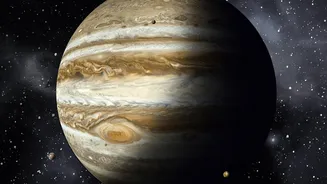
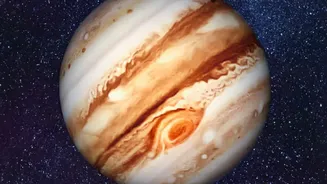
Instead of attempting the risky and complex maneuver of landing or orbiting Europa directly—where Jupiter's radiation is most intense—the Clipper will orbit Jupiter itself. From there, it will execute nearly 50 carefully planned close flybys of Europa over several years, with some passes coming as close as 25 kilometres to the surface. This strategy allows the spacecraft to collect a massive amount of data from different regions while minimizing its exposure to damaging radiation. During these encounters, the full array of instruments will work together to create a comprehensive picture of the moon, from its thin oxygen atmosphere to the depths of its hidden sea.
The Search for Habitability, Not Life Itself
It is crucial to understand that Europa Clipper is not a life-detection mission; its primary goal is to determine if Europa has the necessary ingredients for life as we know it: liquid water, essential chemistry, and a source of energy. By studying the ice shell, ocean, geology, and composition, scientists hope to answer whether Europa is a habitable environment. The mission may even get a chance to fly through and sample plumes of water vapor if they are found to be erupting from the surface, offering a direct taste of what lies beneath. Discovering that the conditions for life have been met in a second place within our own solar system would be a monumental discovery, profoundly changing our understanding of life's potential in the universe.