



Understanding Biophilic Design
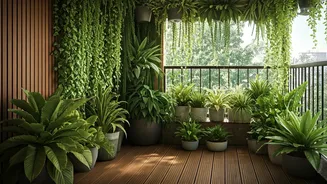
Before diving into the hardware, it helps to understand the 'why.' The concept driving this trend is 'biophilia'—the idea that humans have an innate tendency to seek connections with nature. Biophilic design is the practice of incorporating natural elements
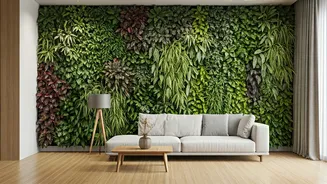
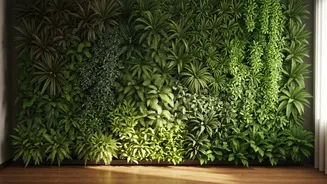
and processes into the buildings where we live and work. It's more than just placing a potted plant on a desk; it’s about creating an ecosystem that fosters a genuine connection to the natural world. A vertical garden, or living wall, is one of the most powerful expressions of this philosophy, transforming a sterile surface into a dynamic, breathing feature that engages our senses and improves our well-being.
What Is a Vertical Biophilic Wall?
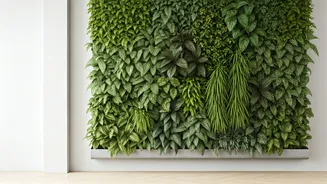
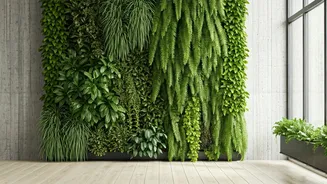
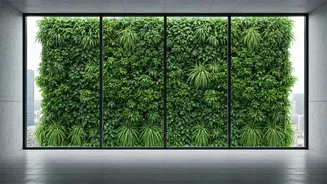
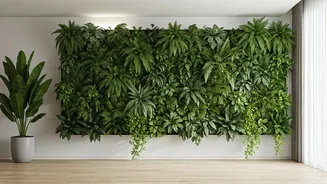
Forget a simple trellis or a set of shelves. A modern vertical biophilic wall is an integrated system designed to make indoor gardening on a grand scale manageable. These systems typically consist of panels, pockets, or modules that hold soil or another growing medium. The true innovation lies in their engineering. Many consumer-friendly versions come with built-in, automated irrigation systems that deliver water and nutrients directly to the plants' roots, taking the guesswork out of watering. This design allows for a dense, seamless carpet of foliage that evokes the feeling of a forest floor or a mossy cliffside, turning an entire wall into a piece of living art.
Key Benefits Beyond Beauty
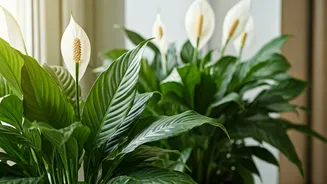
The visual impact of a living wall is undeniable, but its benefits run much deeper. Plants are natural air purifiers, absorbing carbon dioxide and releasing oxygen. Studies have shown that indoor plants can filter out common volatile organic compounds (VOCs) like formaldehyde and benzene, which are often emitted by furniture, paints, and cleaning supplies. The presence of abundant greenery is also a proven stress-reducer. It can lower blood pressure, improve mood, and boost concentration. In open-plan homes or offices, a dense plant wall can even act as a natural sound buffer, absorbing ambient noise and creating a more tranquil environment.
Choosing the Right System
Vertical wall systems are no longer just for commercial lobbies or luxury homes. There’s a growing market of options for every budget and skill level. The most common types include:
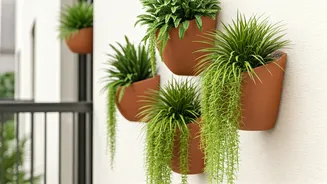
- **Pocket Systems:** These are made of felt or recycled fabric with pockets sewn in for individual plants. They are often lightweight and easy to hang, but most require manual watering.
- **Modular Panel Systems:** These consist of interlocking plastic panels with cells for plants. They are highly customizable and often incorporate self-watering reservoirs, making them a great low-maintenance choice.
- **Tray-Based Systems:** These function like a vertical stack of planter boxes. They are simple to set up and plant but may not provide the same seamless 'wall of green' effect.
When choosing, consider your wall’s light exposure, your budget, and how much time you want to commit to maintenance. A south-facing wall is great for sun-lovers, while a north-facing wall will need shade-tolerant plants.
Best Plants for a Thriving Wall
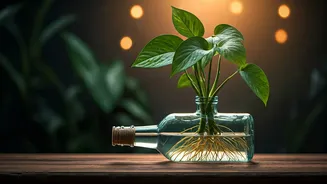
The key to a successful living wall is selecting plants that are hardy, have similar light and water needs, and don't mind living in close quarters. For beginners, it's best to stick with proven winners. Golden Pothos is nearly foolproof, with trailing vines that quickly cover a wall. Heartleaf Philodendron offers a similar look and is just as resilient. For lower-light areas, consider the lush foliage of Bird’s Nest Fern or the dramatic patterns of the Prayer Plant. Spider Plants are another excellent choice, as they are tough and produce 'pups' that can be used to fill in any gaps. Avoid plants with massive root systems or those that are extremely sensitive to watering inconsistencies.
Installation and Ongoing Care
Many modern systems are designed for straightforward DIY installation, often requiring little more than a drill and a level. Always ensure your wall can support the weight of the system, soil, plants, and water—consult the manufacturer's specifications and reinforce the wall if necessary. Once installed, maintenance is simpler than you might think, especially with a self-watering system. Your main tasks will be periodically refilling the water reservoir, trimming back any overgrown plants to encourage dense growth and maintain the wall’s shape, and occasionally checking for pests. Think of it less as a chore and more as tending to your personal sanctuary.